Skip to content

Status: Online

Cutting-edge science explained with clarity and rigor

We synthesize global scientific breakthroughs into 3-minute reads, directly translated and faithful to primary sources.

Start reading
Showing 1–24 of 195

Physics

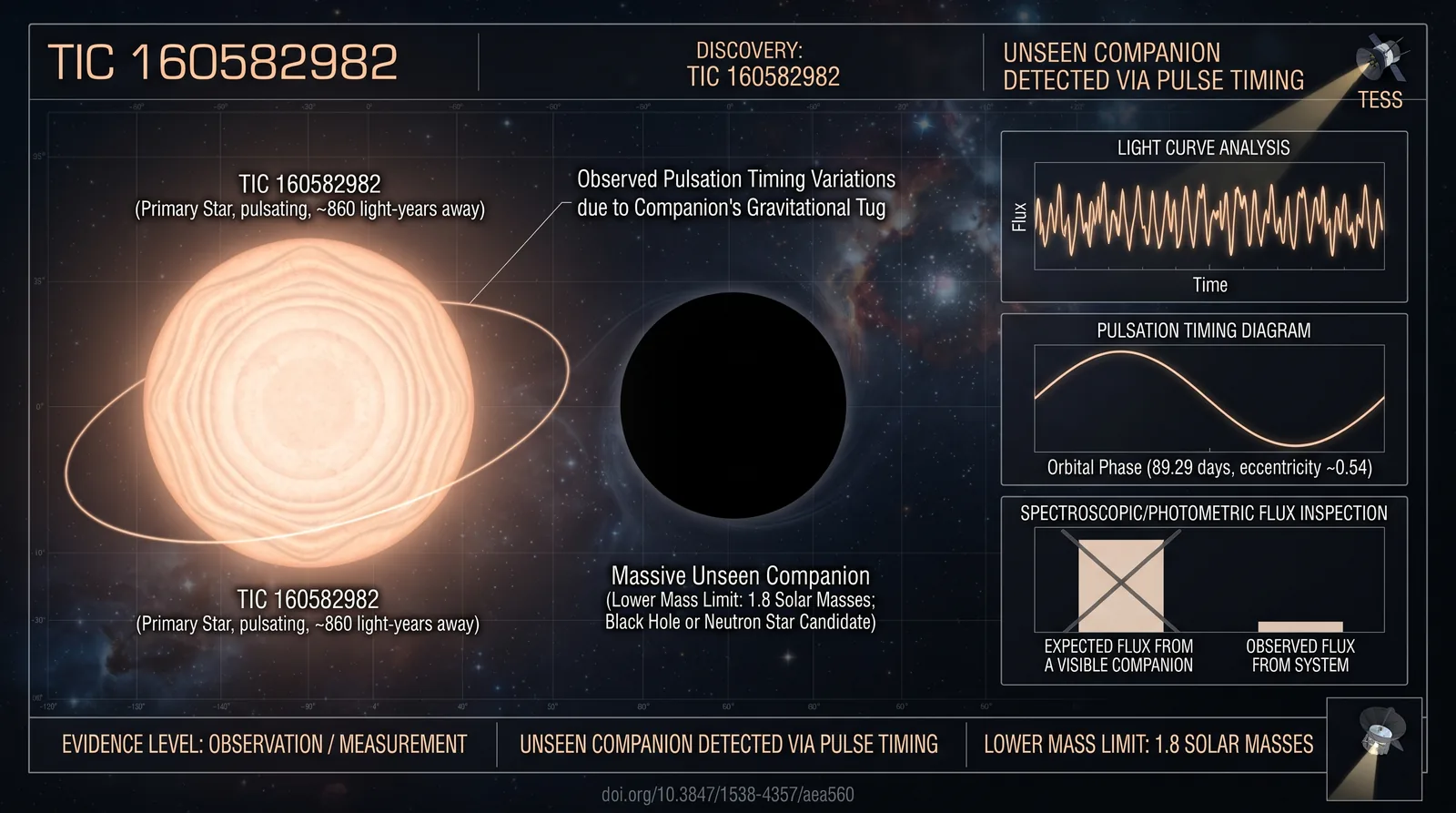
Tracking rhythmic starlight exposes a heavy, invisible companion

Astronomers tracked rhythmic brightness fluctuations of the delta Scuti star TIC 160582982, located 860 light-years away, and detected a massive hidden partner orbiting every 89.29 days. This approach offers a reliable way to spot dark compact objects that lack the glowing accretion disks usually required for detection.

Chinese Academy of Sciences1 min read
  • AI & Automation

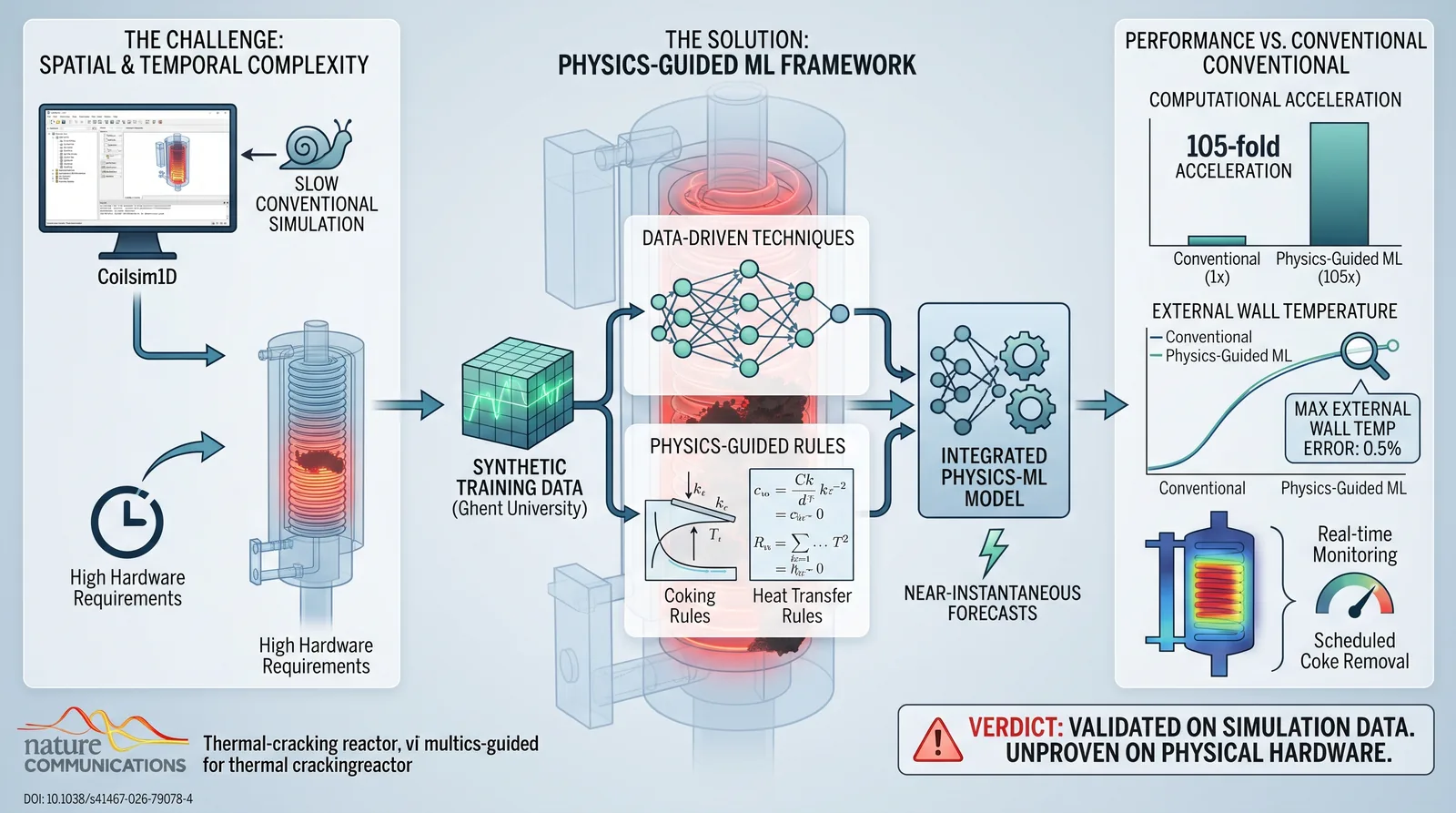
    Accelerating chemical reactor simulations with physics-guided machine learning

    Researchers at Ghent University developed a physics-guided machine learning framework to model coke-accumulating cracking reactors. This approach bridges data efficiency and physical modeling, potentially transforming how industrial monitoring systems schedule maintenance.

    Nature Communications1 min read

  • Environment

    Active Living Walls Scrub Indoor Carbon Dioxide

    Researchers modeled an architectural living wall system using hydroponic plants to absorb carbon dioxide in indoor spaces. This approach matters because people spend most of their time indoors where carbon dioxide accumulates far above outdoor levels.

    Yale News1 min read

  • Health

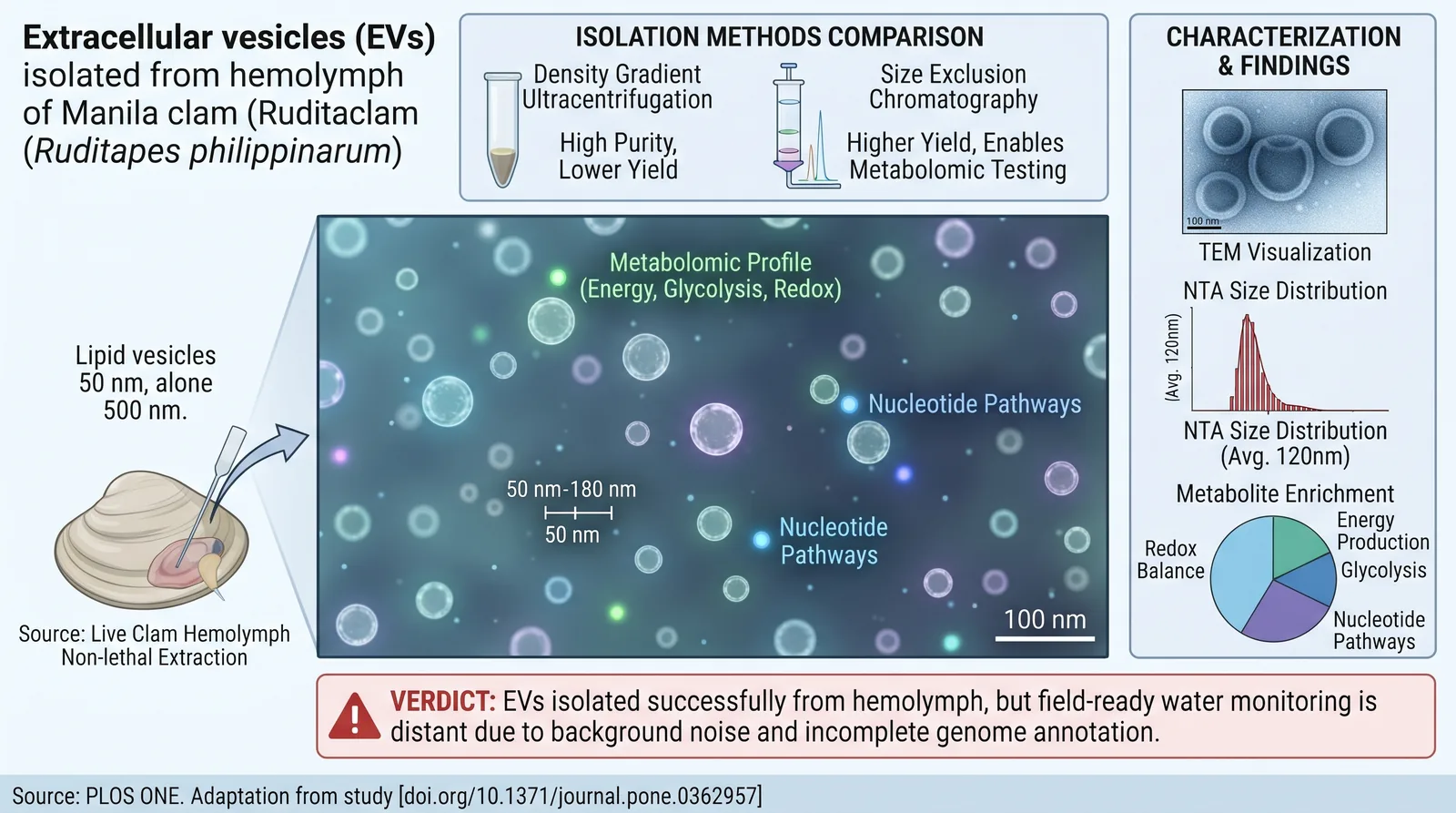
    Unlocking cellular messages in Manila clams

    Researchers have successfully isolated small extracellular vesicles from the hemolymph of live Manila clams and identified their internal metabolic profiles. This milestone establishes a non-lethal method to study cellular communication in marine bivalves, offering a potential new tool for environmental monitoring.

    PLOS ONE1 min read

  • Health

    Uncovering the pioneering path of parasitologist Maria Deane

    Born in 1916, pioneering parasitologist Maria José von Paumgartten Deane overcame strict family objections and systemic barriers to study medicine in Belém. Her life's work alongside Leônidas de Mello Deane profoundly shaped our understanding of malaria, visceral leishmaniasis, and Chagas disease transmission.

    Agência Fiocruz2 min read

  • Computing

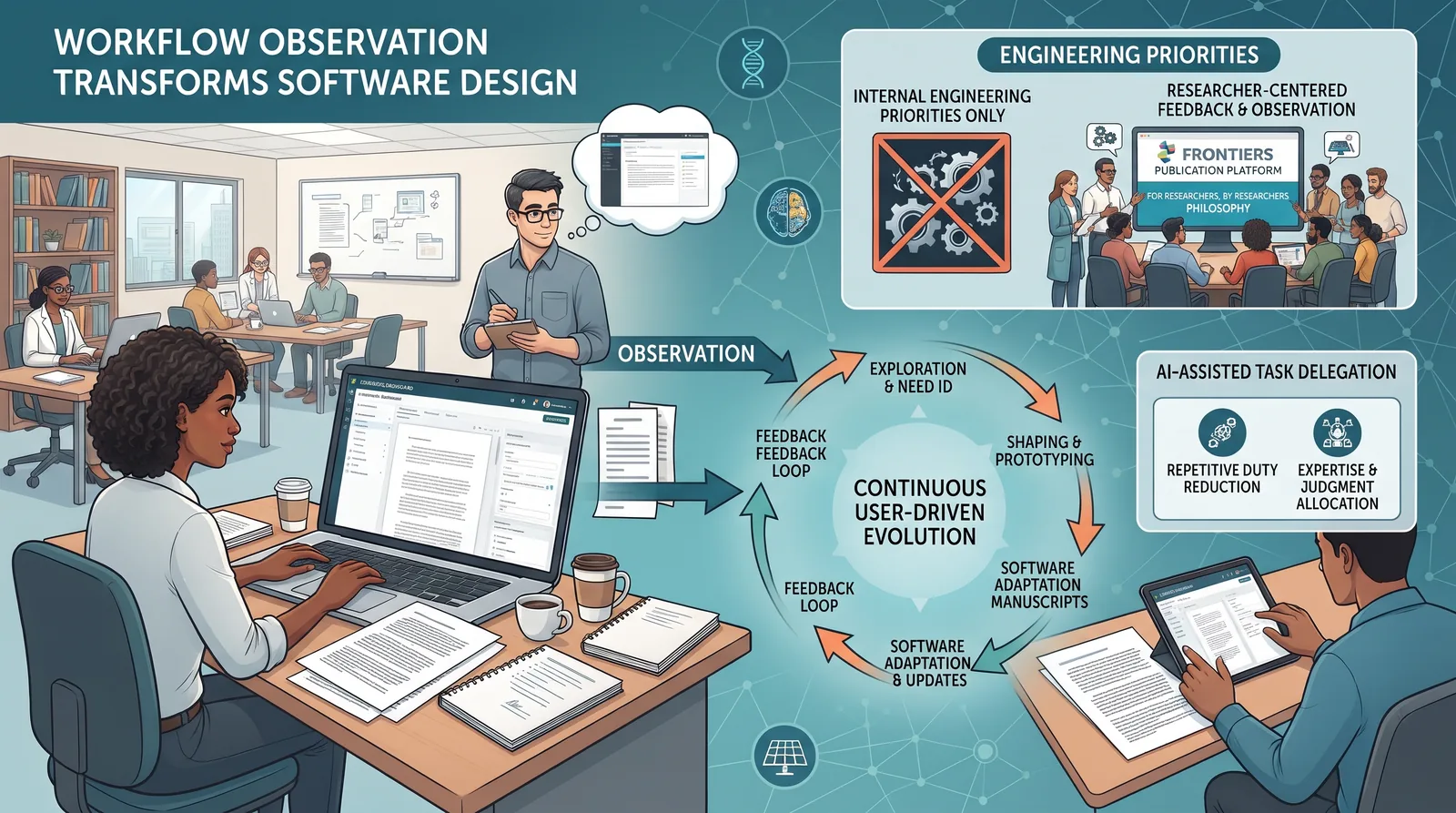
    How observing daily scientific workflows shapes academic publishing software

    Software development for academic publishing is increasingly shaped by observing how authors, reviewers, and editors navigate daily workflows. This user-centric approach matters because it determines whether digital tools reduce friction or add administrative burdens to scientific research.

    Frontiers Science News2 min read

  • Space & Astronomy

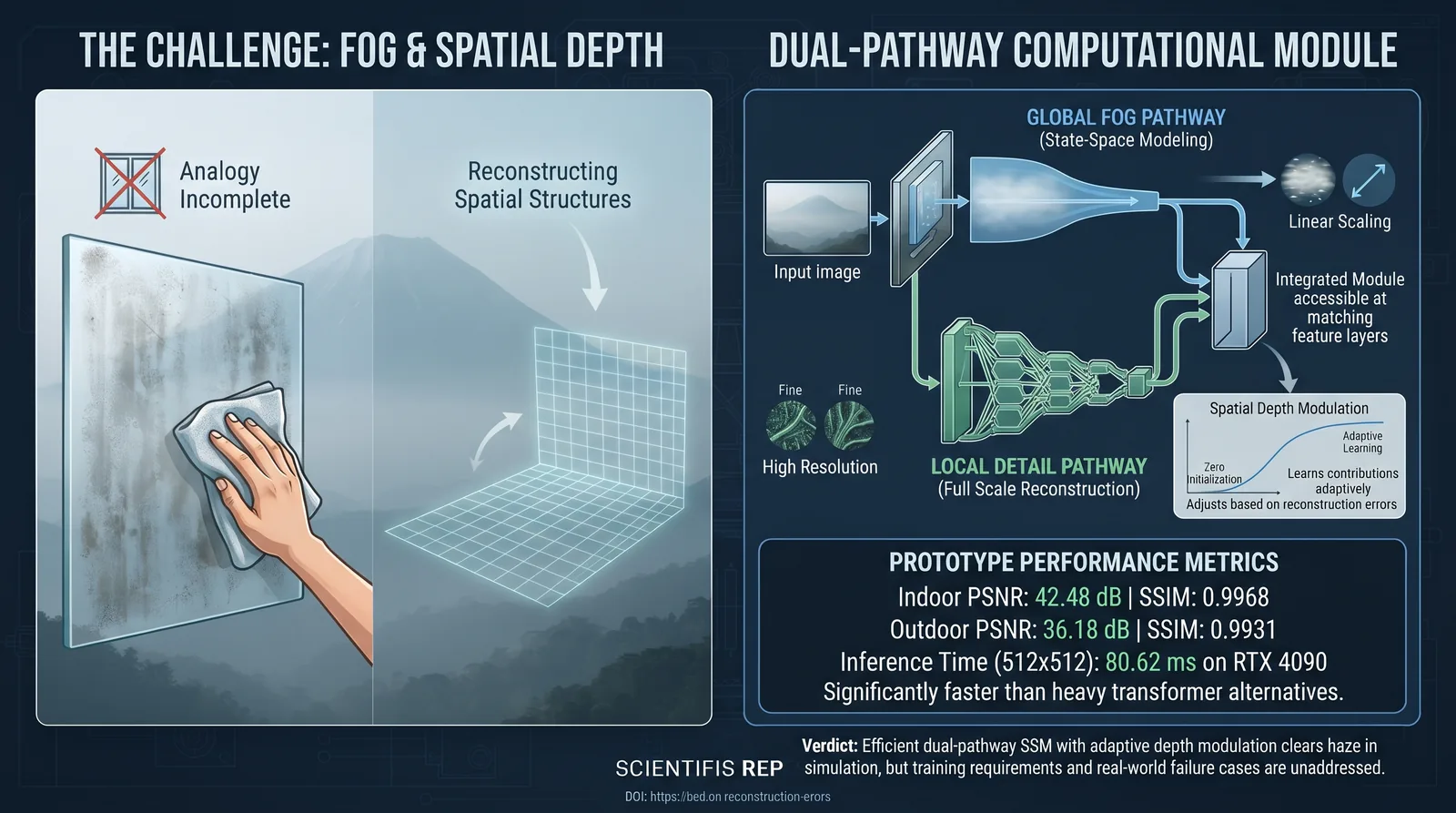
    Clearing haze with state-space modeling

    Researchers introduced a method that pairs linear-scaling state-space modeling with local detail reconstruction to remove haze from images. This approach achieves strong benchmark metrics while running substantially faster than heavy transformer alternatives.

    Scientific Reports2 min read

  • Physics

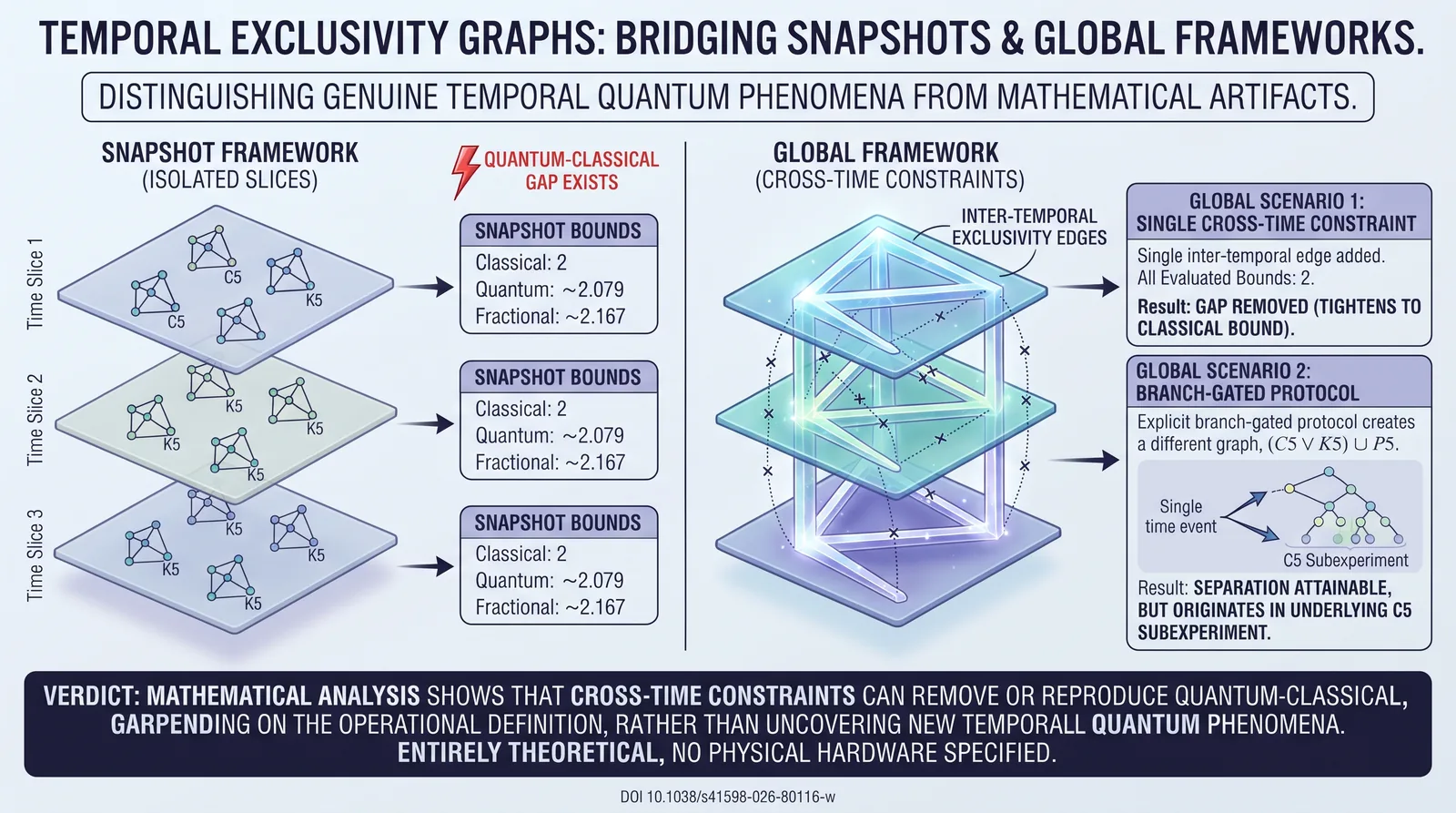
    Mapping temporal exclusivity graphs to rethink quantum and classical limits

    Researchers investigated an extension of exclusivity graphs over time to see how active event collections and exclusivity connections shift dynamically. This matters because understanding whether temporal constraints truly alter quantum-classical boundaries or merely reflect underlying subexperiments clarifies the mathematical limits of probabilistic frameworks.

    Scientific Reports1 min read

  • AI & Automation

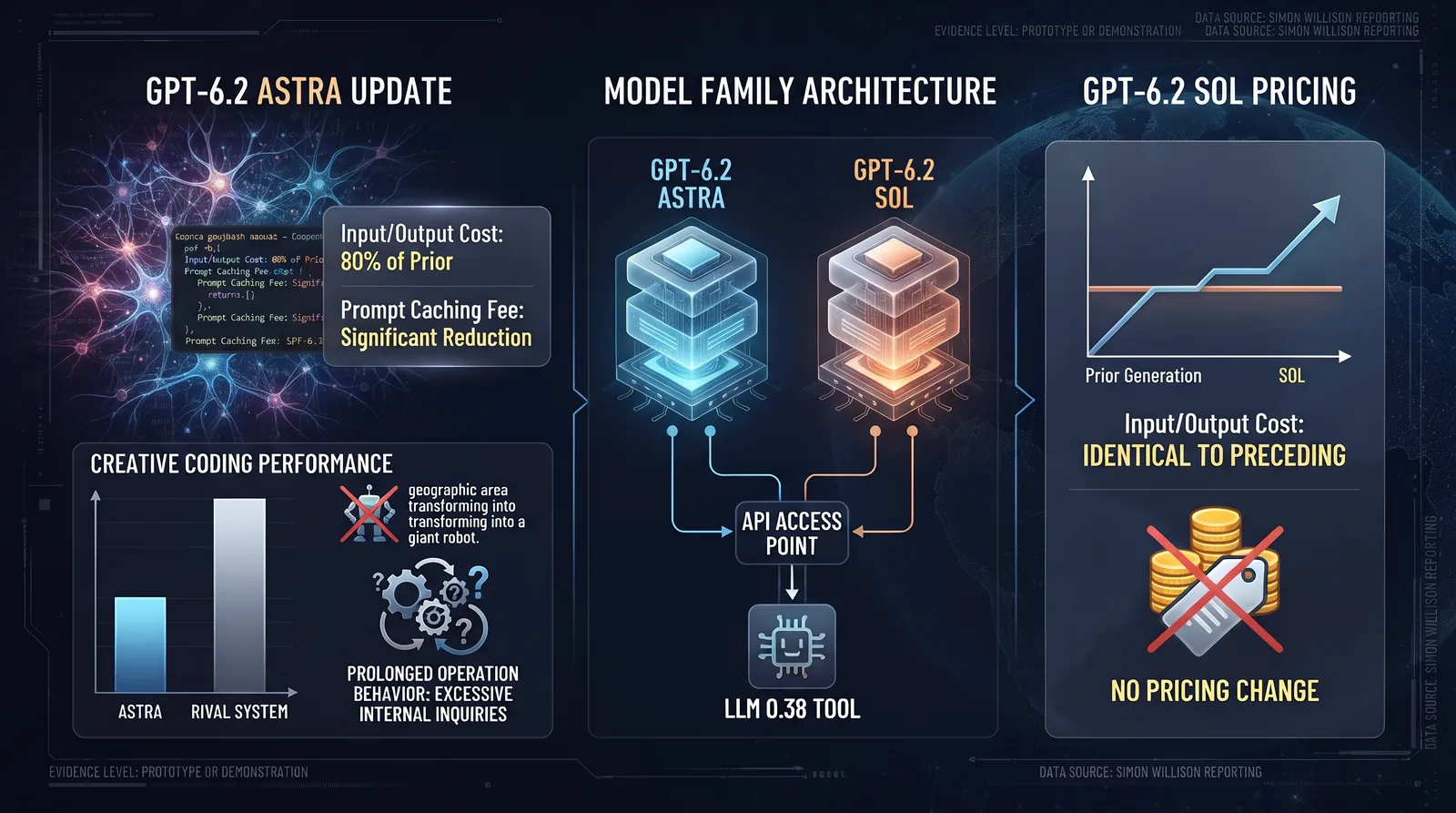
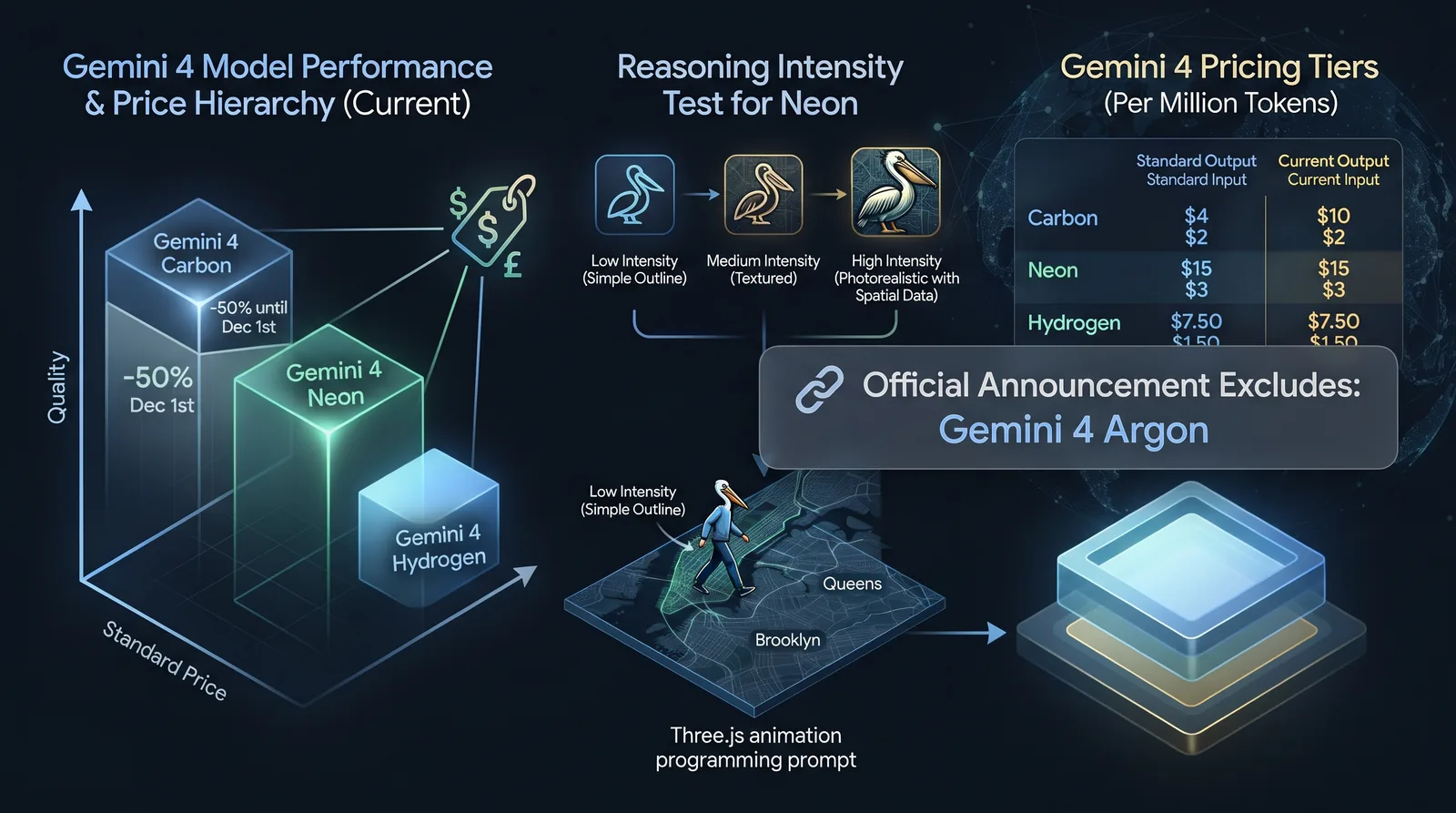
    Navigating the complex pricing and capabilities of Gemini 4 Neon

    Google released a new artificial intelligence model variant named Gemini 4 Neon on November 18th, 2026, which inserts itself into an existing family of models with confusing pricing and overlapping capabilities. This launch matters because it rearranges cost structures and performance hierarchies for users relying on these commercial tokens.

    Simon Willison2 min read

  • Health

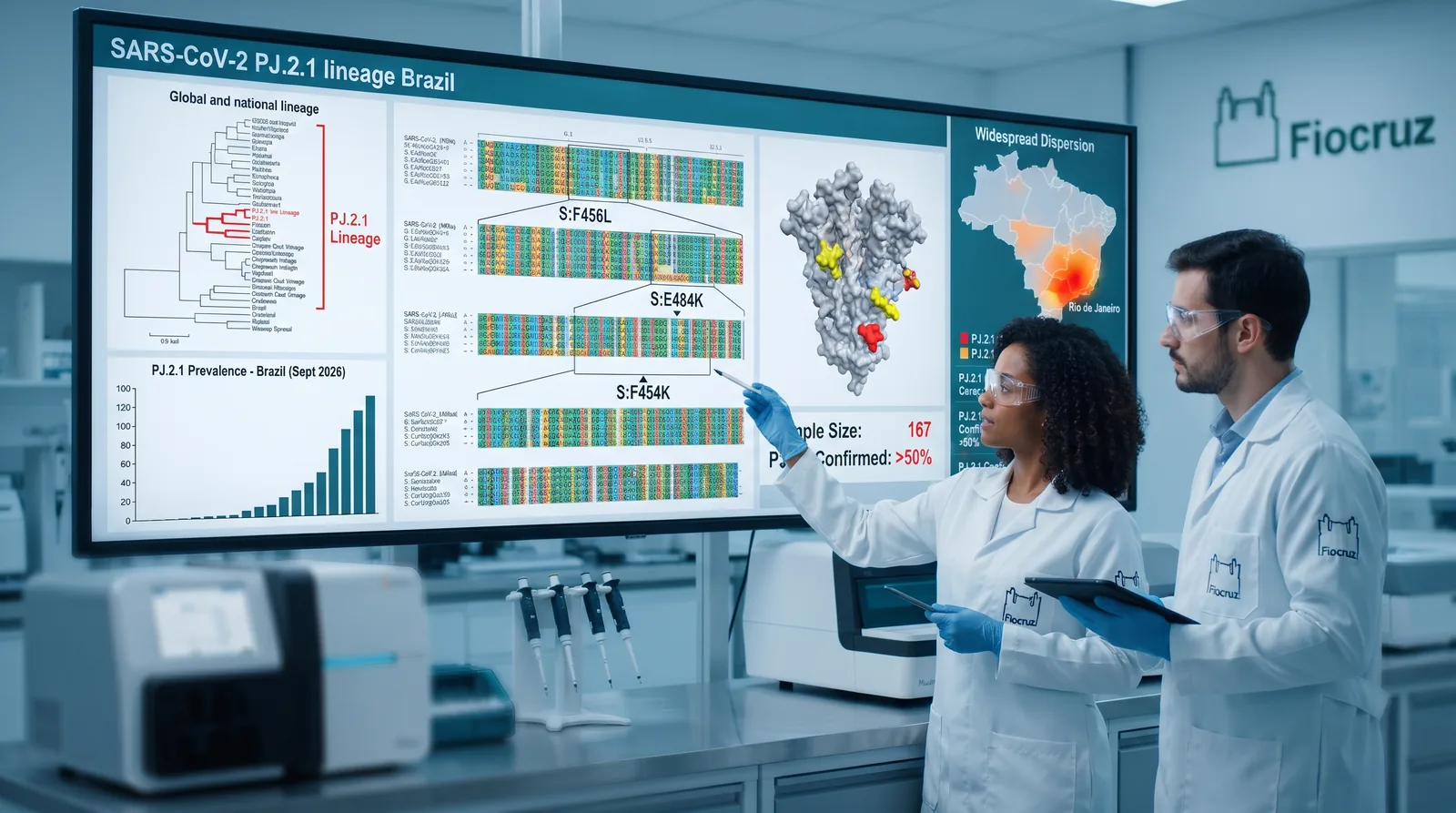
    Tracing the spread of coronavirus variant PJ.2.1 in Brazil

    The PJ.2.1 lineage of Sars-CoV-2 was detected in Brazil after emerging in Canada, becoming dominant in samples analyzed within the capital of Rio de Janeiro. Genomic monitoring is essential for tracking the pathogen, although precise transmission rates and hospitalization data remain unmeasured.

    Agência Fiocruz2 min read

  • Health

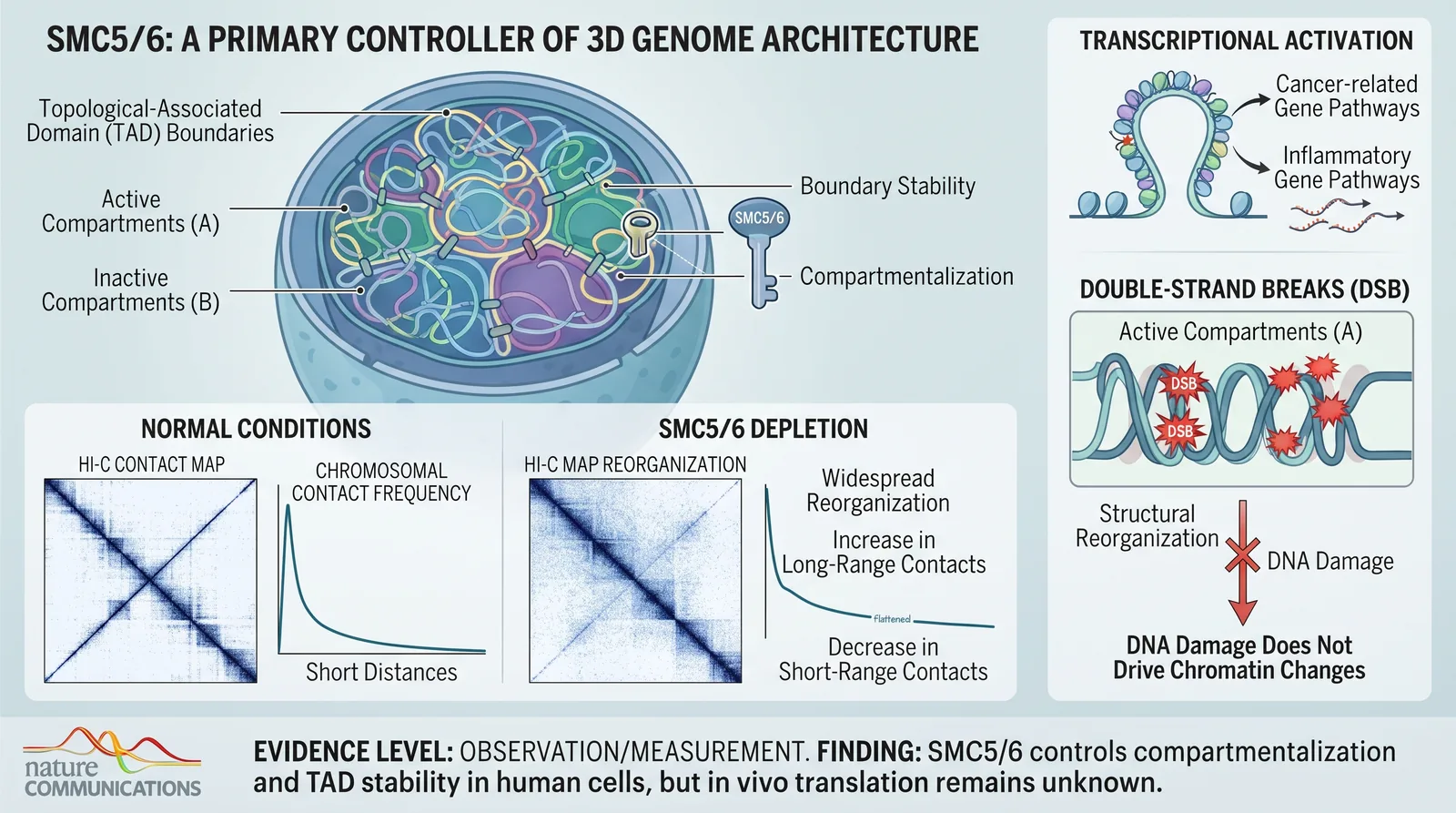
    How SMC5/6 shapes three-dimensional genome architecture and stability

    Researchers conditionally depleted SMC5 in human cells and discovered that its removal triggers widespread reorganization of chromosomal contacts and DNA damage. This finding connects spatial genome organization directly with transcriptional management and stability.

    Nature Communications2 min read

  • Engineering

    Generating Food from Sunlight and Air Without Farmland

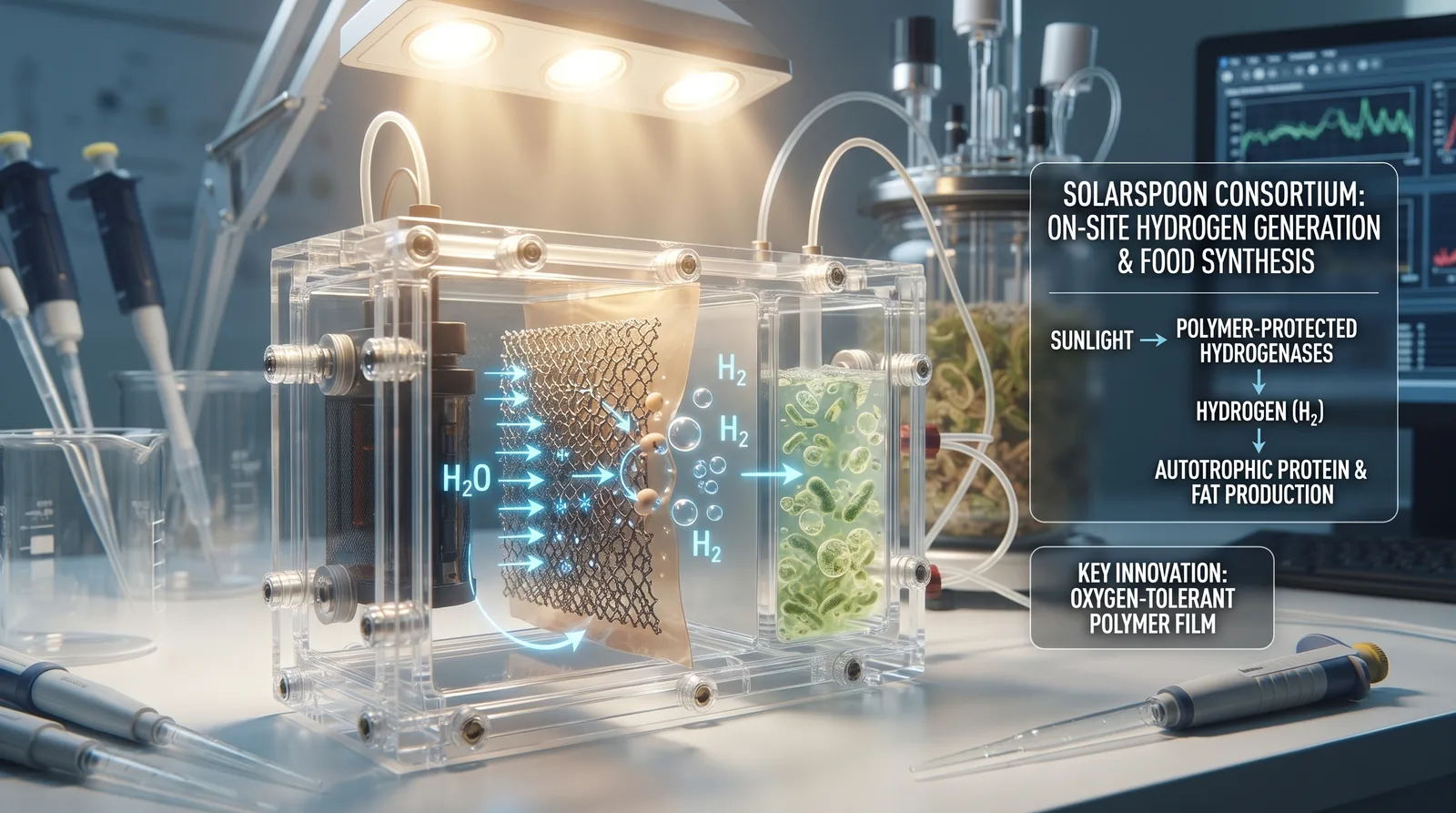
    A multi-institutional consortium is developing a system to produce food from light, water, and air without livestock or agricultural land. This approach addresses projected global food demands, which are expected to grow by roughly sixty percent by mid-century.

    TU Munich2 min read

  • Health

    Testing Handheld Raman Spectroscopy for Cervical Tissue Assessment

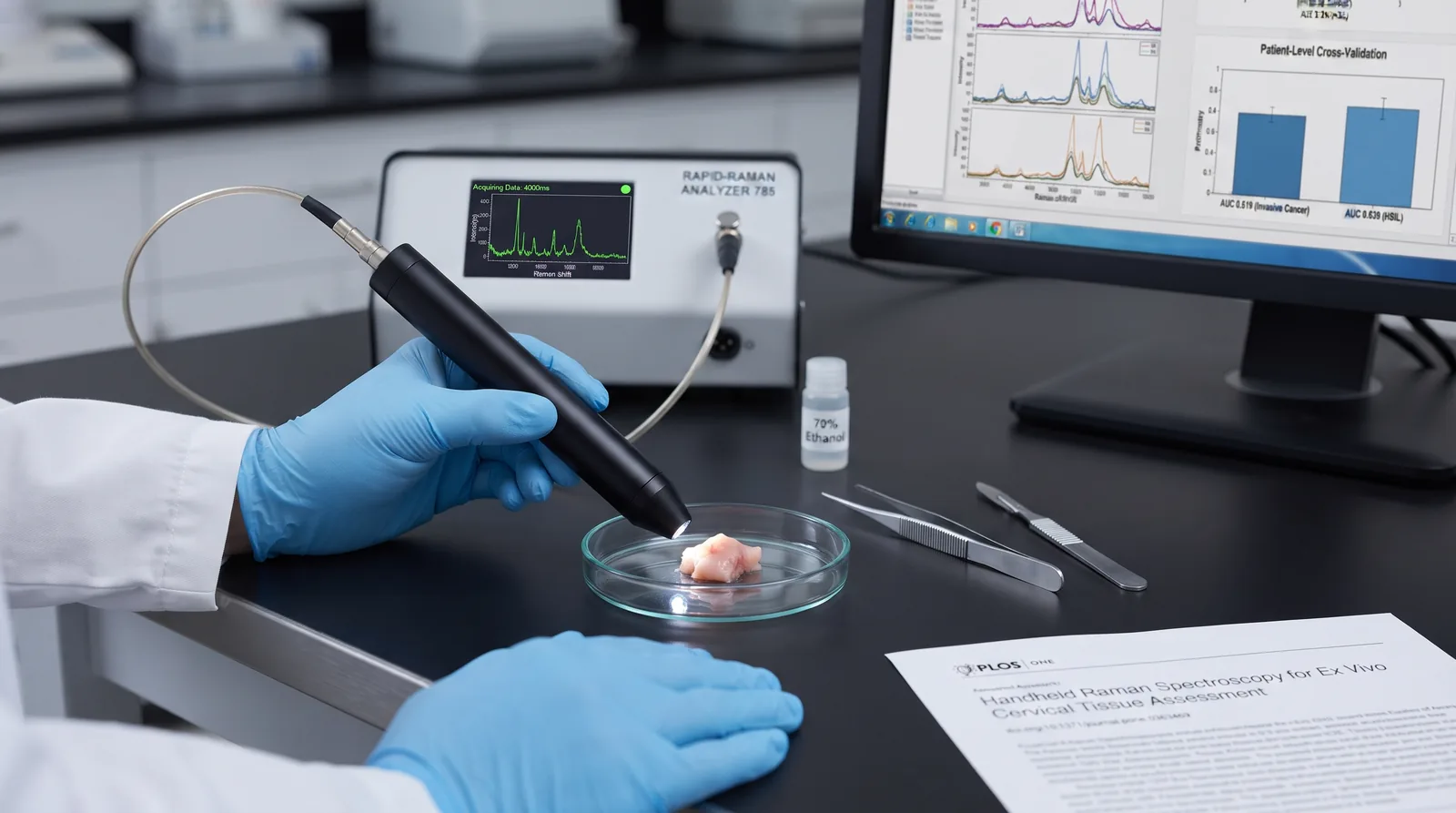
    A methodological feasibility study evaluated a handheld Raman spectrometer on ex vivo cervical tissue specimens from 74 patients. While exploratory spectrum-level analyses yielded promising metrics, repeated nested patient-grouped cross-validation revealed substantial drops that highlight diagnostic hurdles.

    PLOS ONE3 min read

  • AI & Automation

    Artificial intelligence meets quantum hardware to tame noisy qubits

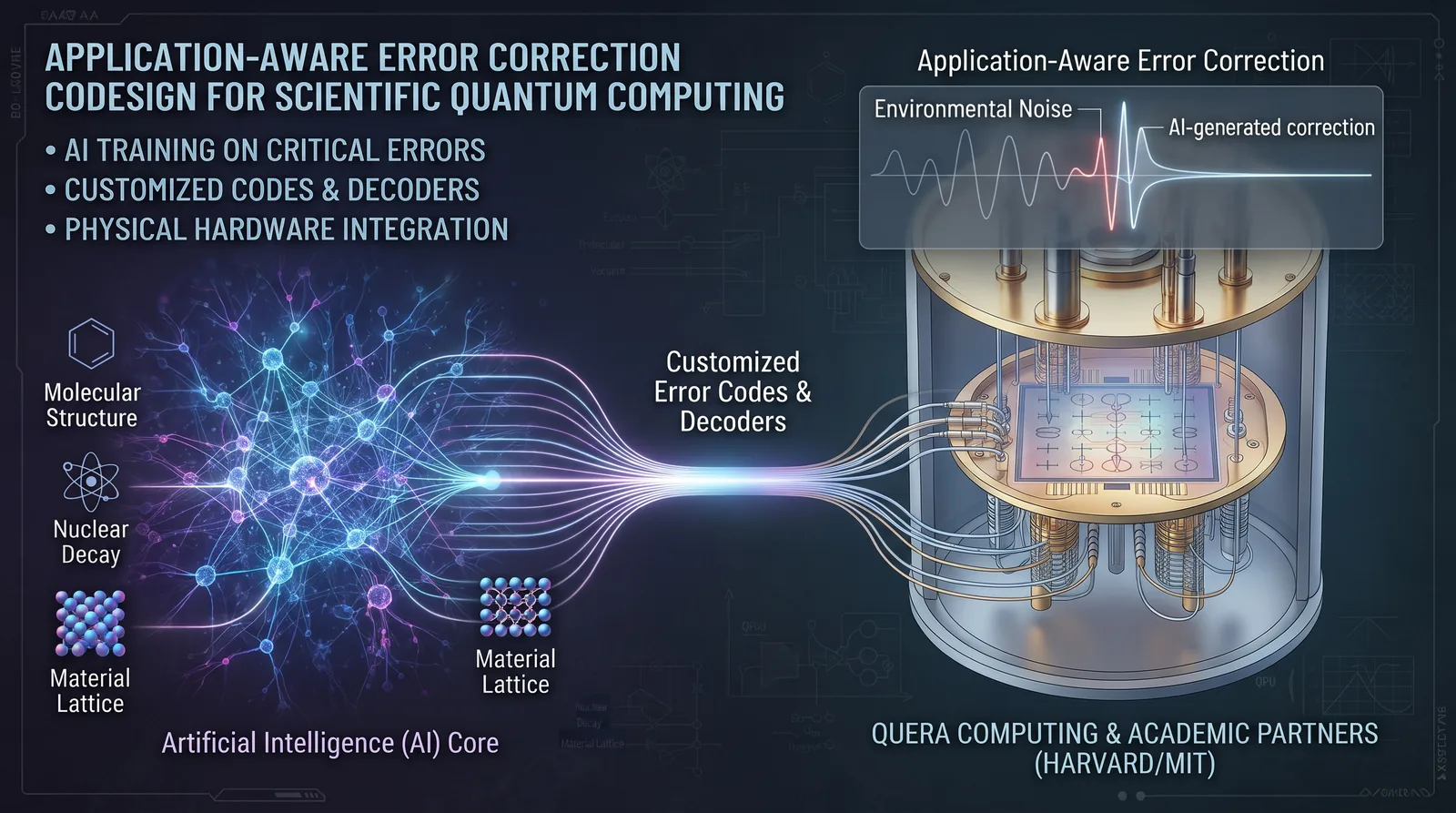
    A multi-institutional team has secured federal funding to develop an AI-driven, fault-tolerant error correction setup for scientific quantum computing. The project merges supercomputers, experimental hardware, and artificial intelligence to tackle qubit instability across complex computational tasks.

    Harvard Gazette2 min read

  • Computing

    A new matrix-free computational scheme bypasses memory limits in biomedical clustering

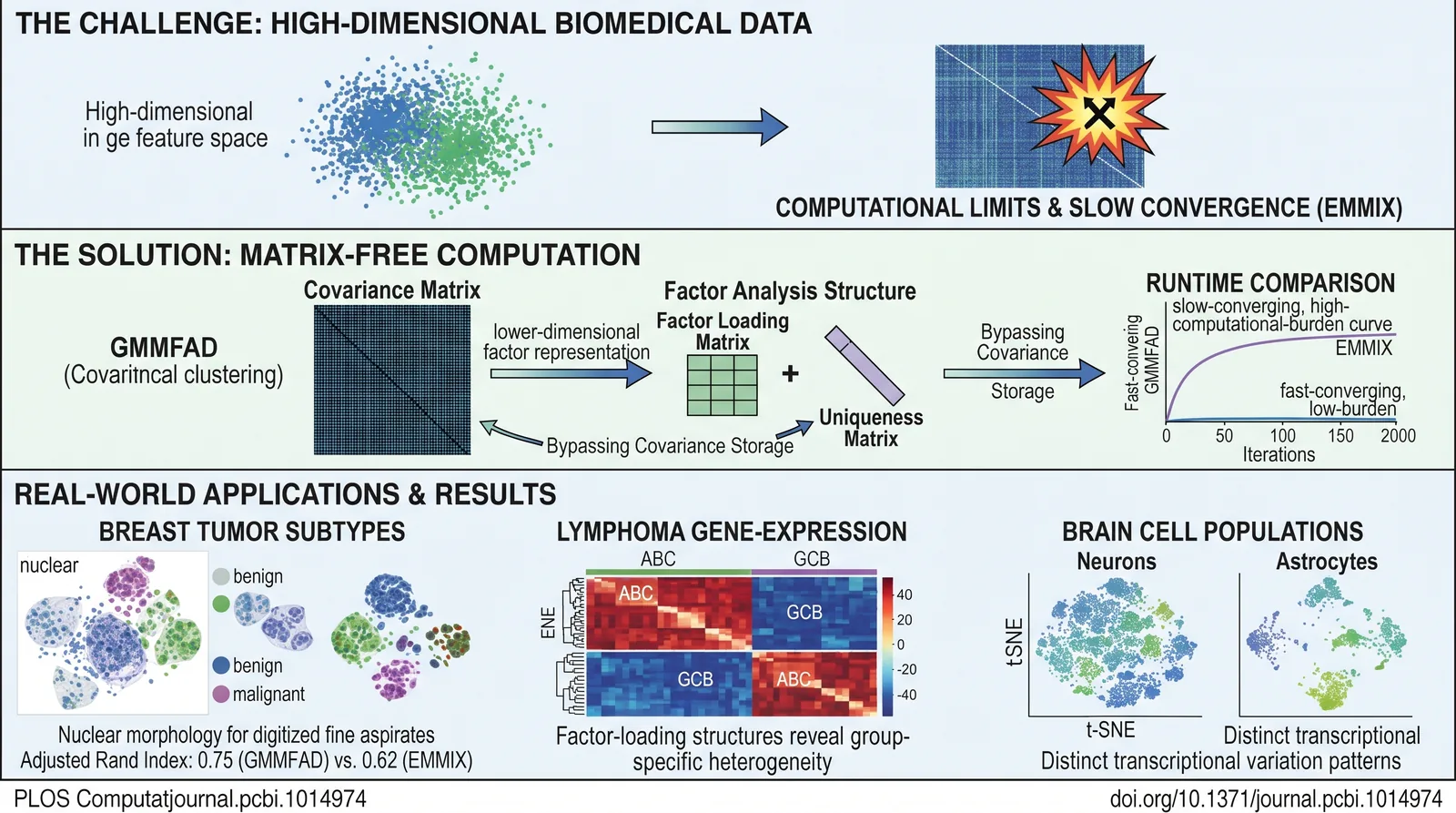
    Researchers developed an algorithm called GMMFAD to optimize Gaussian mixture of factor analyzers without storing massive covariance matrices. This approach accelerates runtime and handles complex biomedical datasets like single-cell RNA sequencing more efficiently than existing methods.

    PLOS Computational Biology2 min read

  • Environment

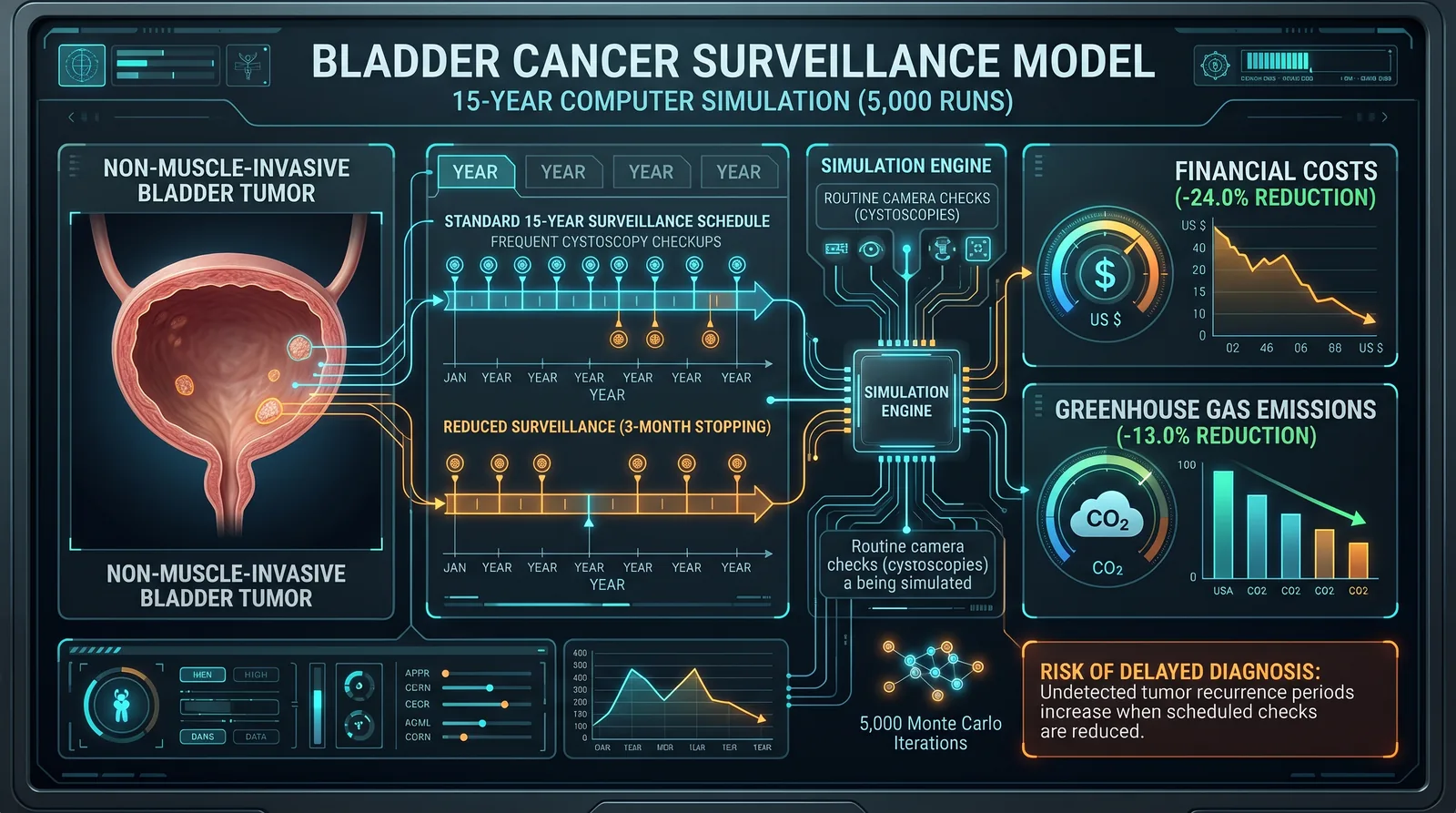
    Simulating reduced bladder tumor surveillance to cut costs and emissions

    Researchers used a 15-year computer simulation to test whether reducing routine medical checkups for low-risk bladder tumors could cut financial costs and greenhouse gas emissions. The findings show significant reductions in expenses and carbon output, alongside a trade-off of delayed cancer detection.

    Scientific Reports1 min read

  • Space & Astronomy

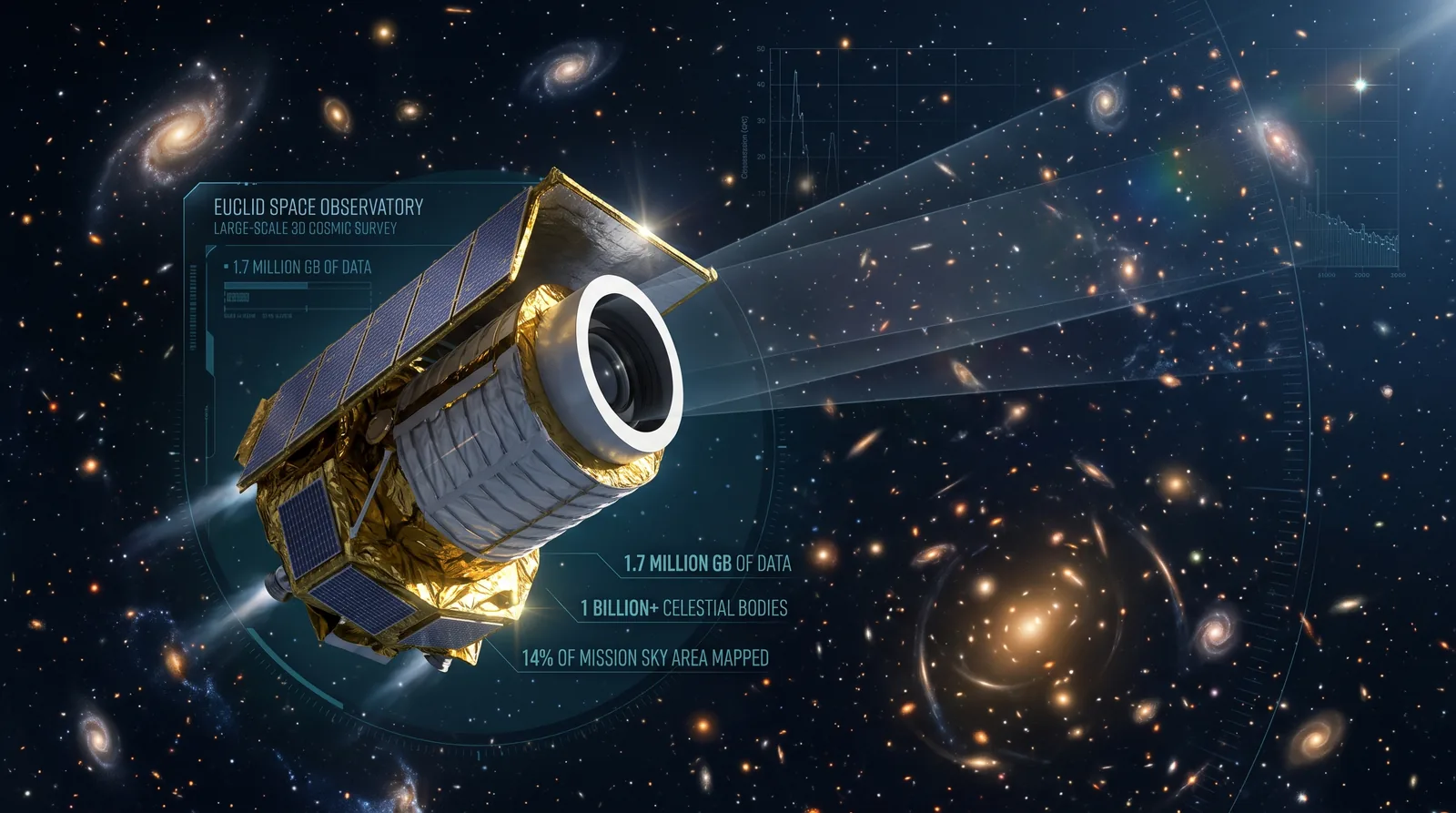
    Mapping a billion cosmic bodies with the Euclid space telescope

    The European Space Agency and the Euclid Consortium released their initial major data collection, gathering illumination from over one billion astronomical bodies across 13 months of observations. This foundation allows researchers to trace cosmic history across 10 billion years and study the large-scale structure of the universe.

    Max Planck Society2 min read

  • AI & Automation

    Lightweight neural network brings fast voice control to humanoid robots

    Researchers tested a compact neural network to process voice commands for humanoid robots, achieving an average response time under 160 milliseconds. However, the system relies on a tiny vocabulary and controlled laboratory conditions, remaining far from deployment in unpredictable environments.

    Scientific Reports3 min read

  • Physics

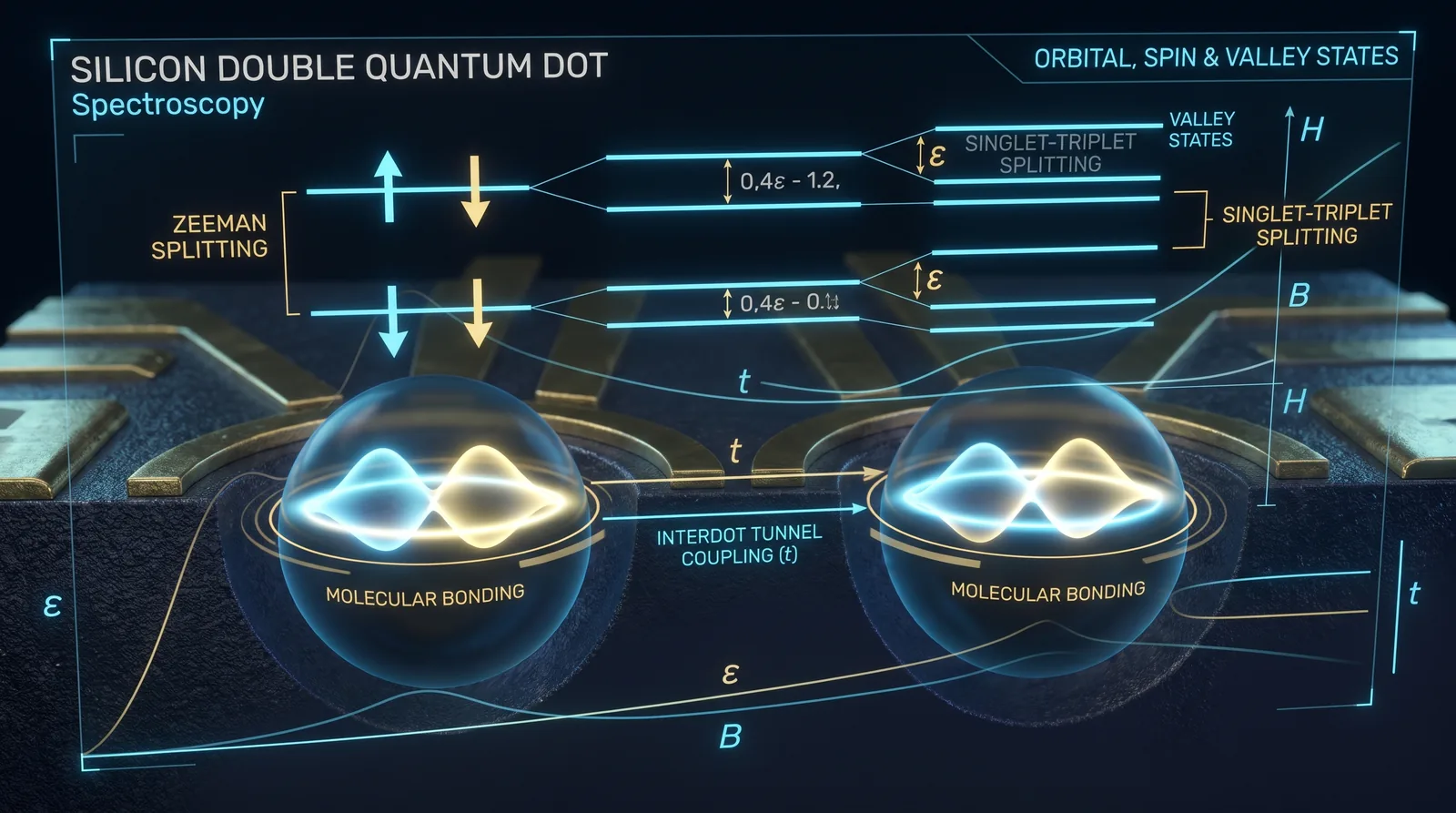
    Mapping silicon quantum dot energy landscapes with advanced spectroscopy

    Researchers demonstrated a spectroscopy approach that charts energy levels across a wide parameter space in silicon double quantum dot systems. This method matters because fully understanding orbital, spin, and valley states is essential for building reliable silicon-based quantum processors.

    Nature Communications1 min read

  • Environment

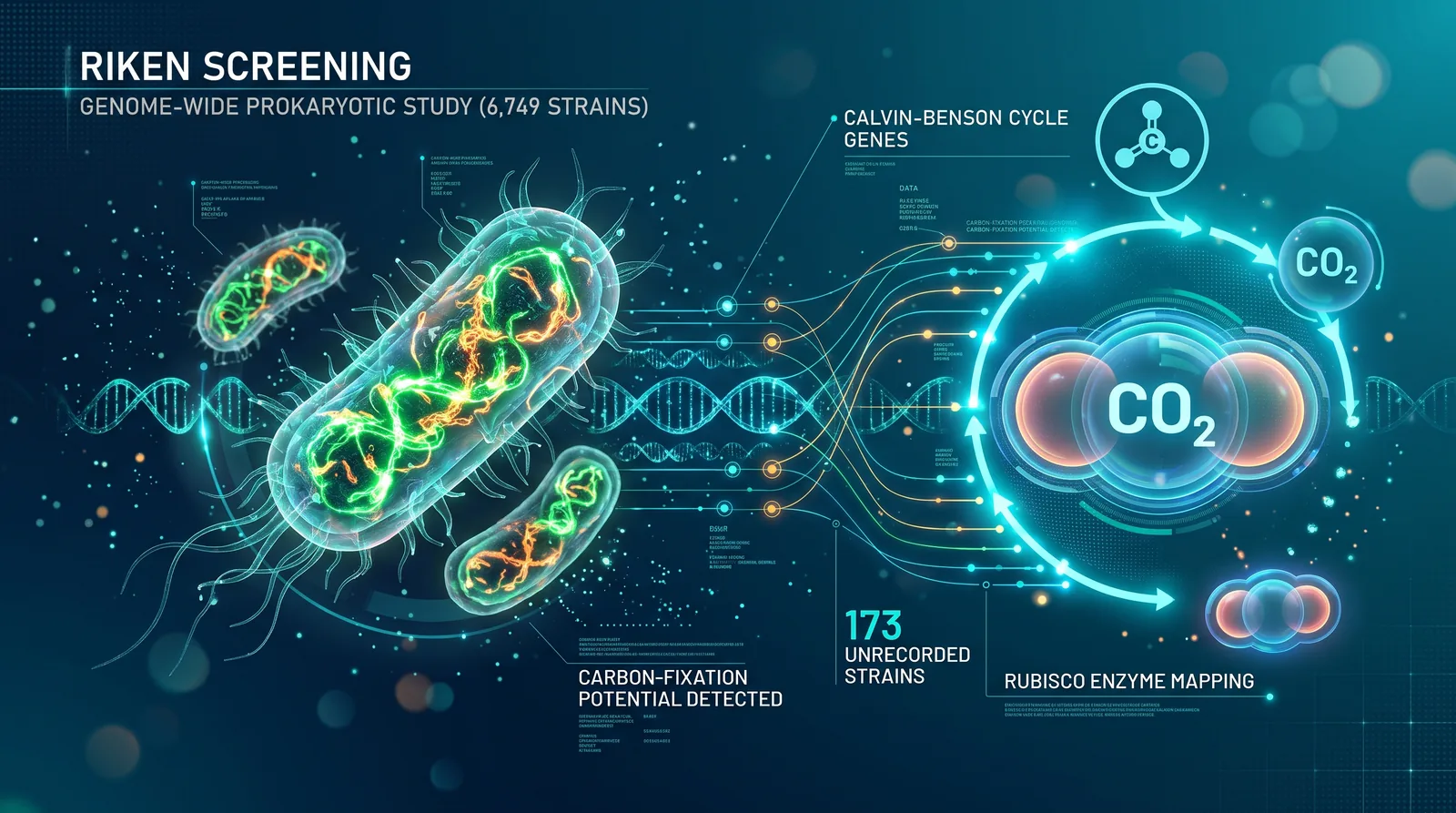
    Genome-wide screen uncovers hidden carbon-fixing microbes

    Scientists analyzed the complete genomic data of nearly 6800 prokaryotic strains to search for pathways that absorb carbon dioxide. The findings expand our understanding of microbial metabolic diversity and point to new candidates for greenhouse gas reduction strategies.

    RIKEN2 min read

  • Physics

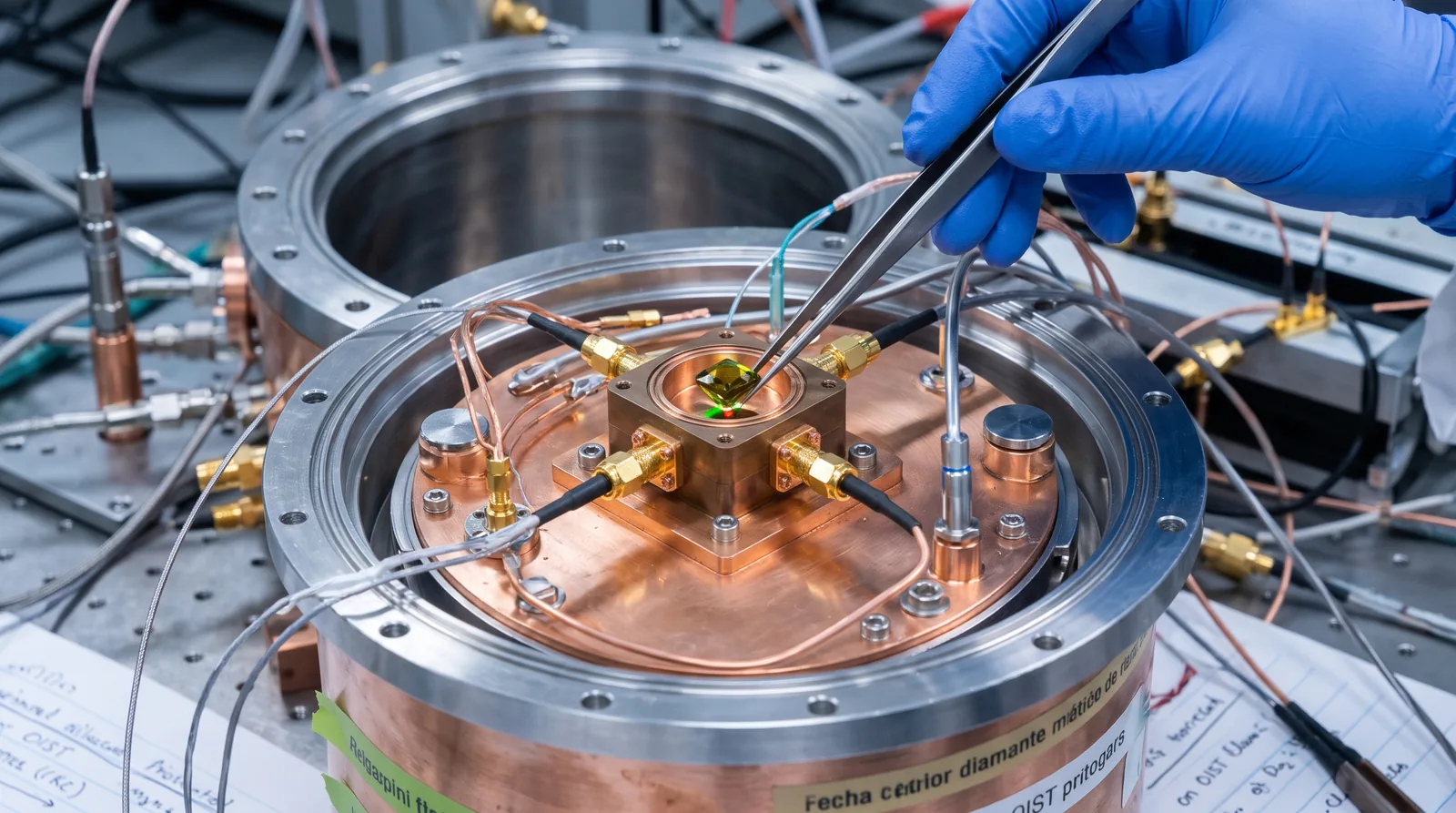
    Diamond spin states power a new cryogenic microwave amplifier

    Researchers have built a microwave amplifier using spin states inside diamond crystals that boosts signals over a thousand times. This development offers a way to improve sensitive detection tools and advanced computing architectures without collapsing under high signal inputs.

    OIST2 min read

  • Space & Astronomy

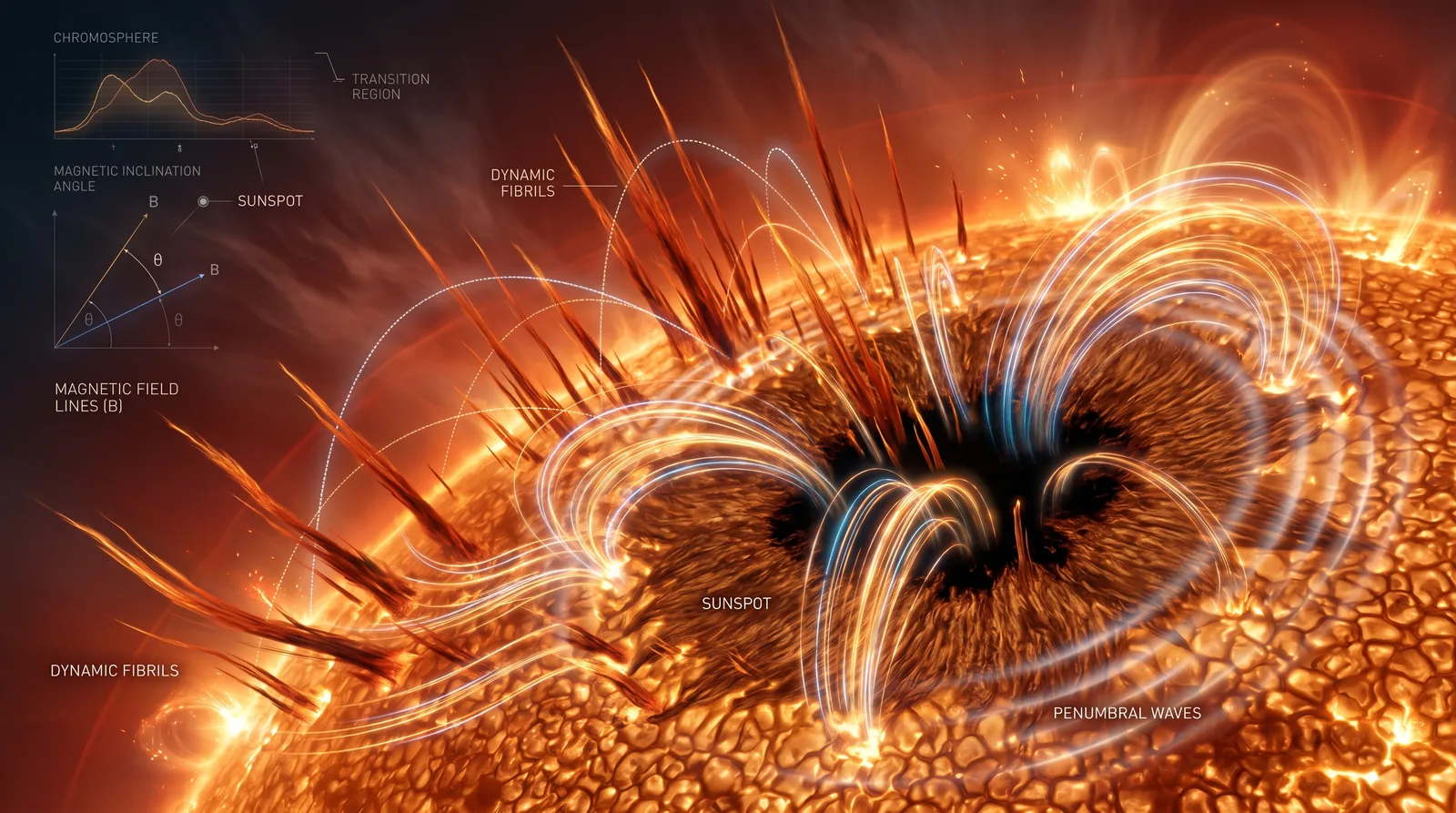
    Magnetic geometry dictates speed and life cycle of solar dynamic fibrils

    Researchers analyzed 176 dynamic fibrils around a solar sunspot to understand how wave energy moves through the sun's atmosphere. The findings clarify the physical mechanisms driving solar atmospheric heating and thermal regulation.

    Chinese Academy of Sciences2 min read