Skip to content

Cutting-edge science explained with clarity and rigor

We synthesize global scientific breakthroughs into 3-minute reads, directly translated and faithful to primary sources.

Showing 25–48 of 195
  • AI & Automation

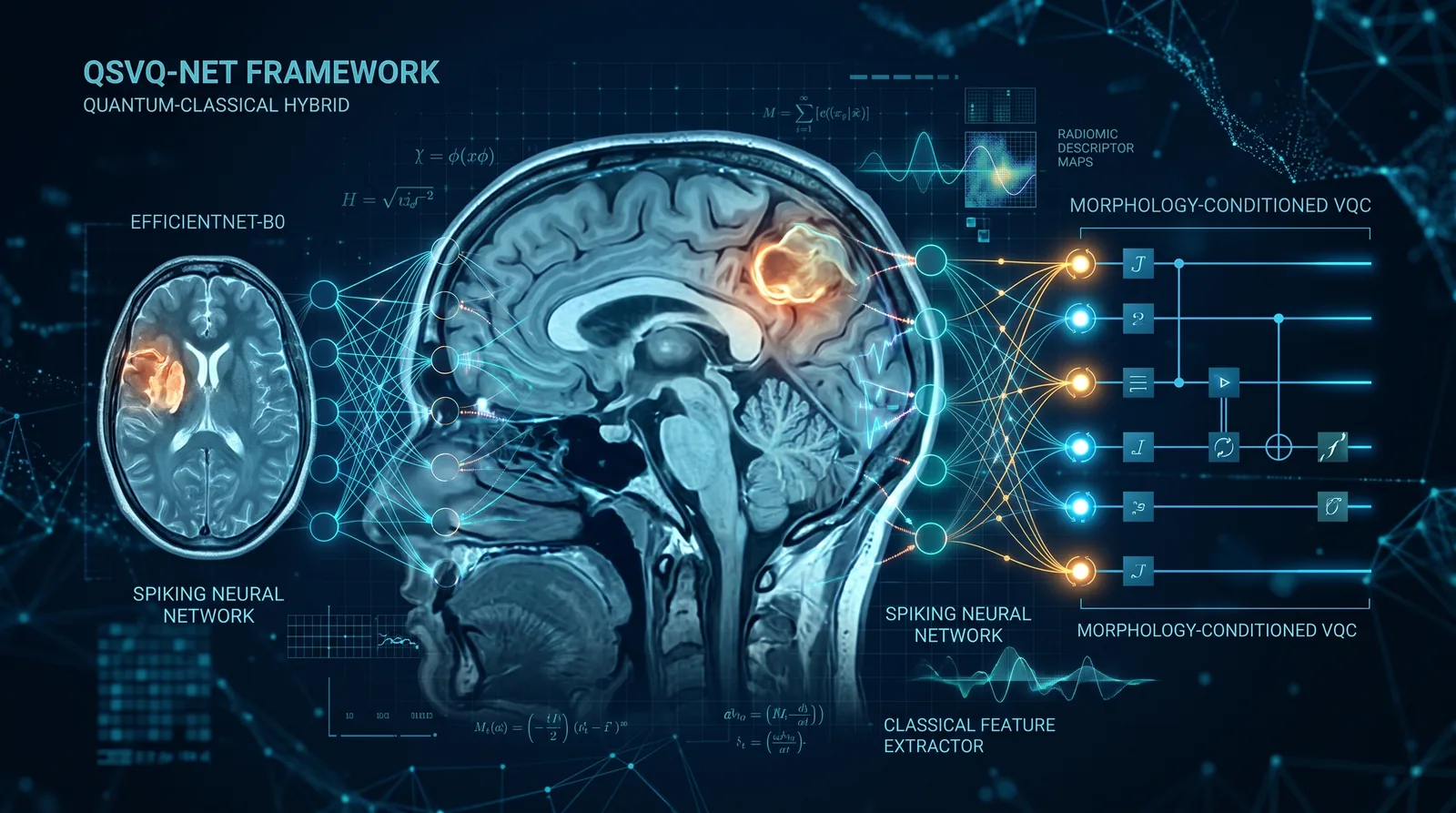
    Hybrid quantum-classical brain tumor scan categorization tested in simulation

    Researchers introduced QSVQ-Net, a hybrid quantum-classical architecture designed to categorize brain tumors from magnetic resonance imaging scans. While internal validation showed high accuracy and low calibration error, independent testing without masks revealed a sharp performance drop relative to traditional models.

    Scientific Reports2 min read
  • Environment

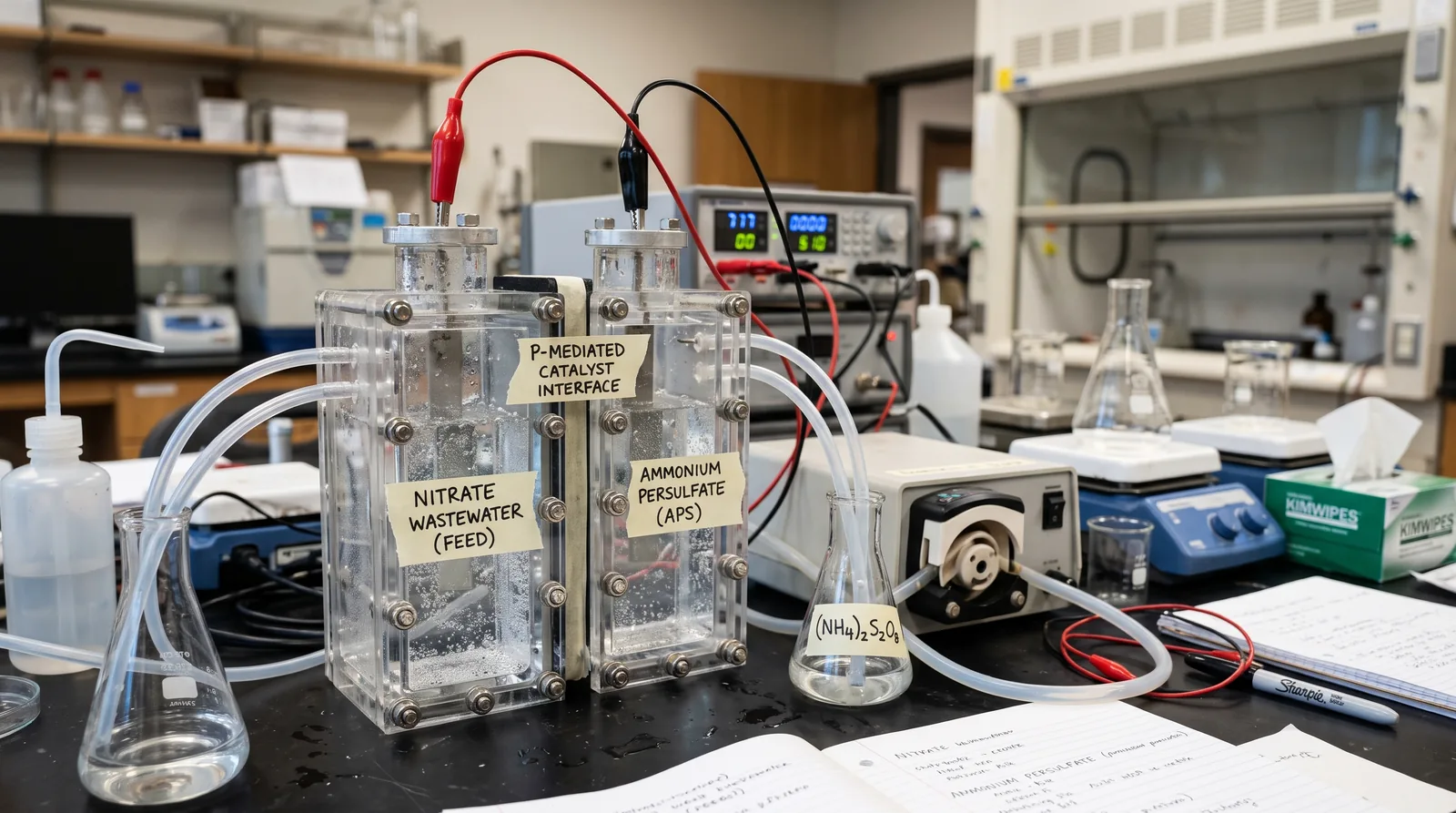
    Turning Wastewater Nitrate into Valuables with a Phosphorus Catalyst

    Researchers demonstrated an electrochemical system that transforms nitrate-contaminated wastewater into ammonium derivatives while cutting energy use and emissions. This approach matters because it tackles water pollution while generating useful industrial chemicals under continuous operation.

    Nature Communications1 min read

  • Health

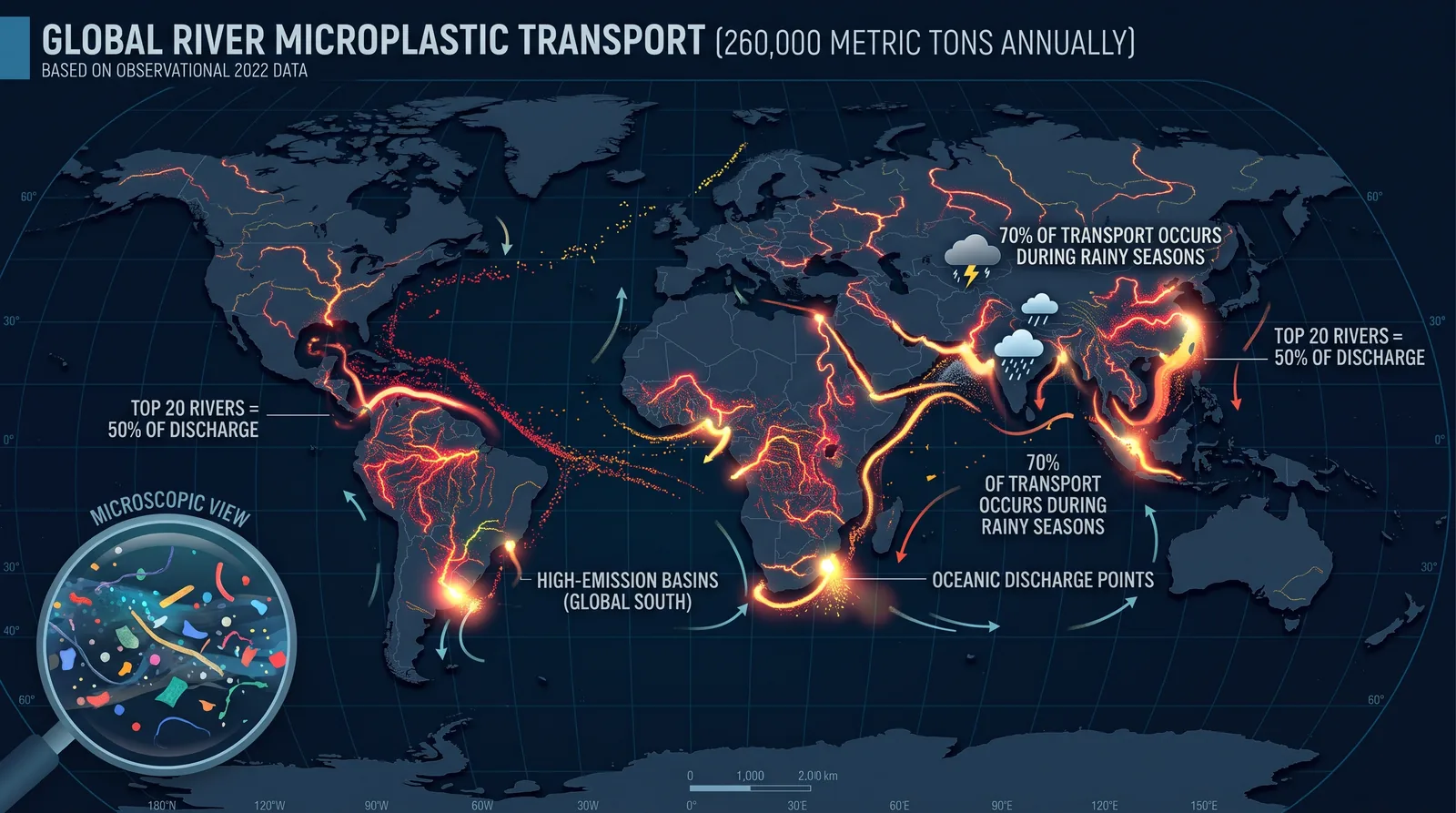
    How extreme weather flushes land plastics into the sea

    A new global analysis shows that rivers transported approximately 260000 metric tons of microplastics into marine environments in 2022, with just 20 rivers accounting for half of this total. Understanding this concentrated delivery changes how we must approach plastic pollution mitigation, shifting focus from steady management to intense seasonal events.

    Peking University1 min read

  • Engineering

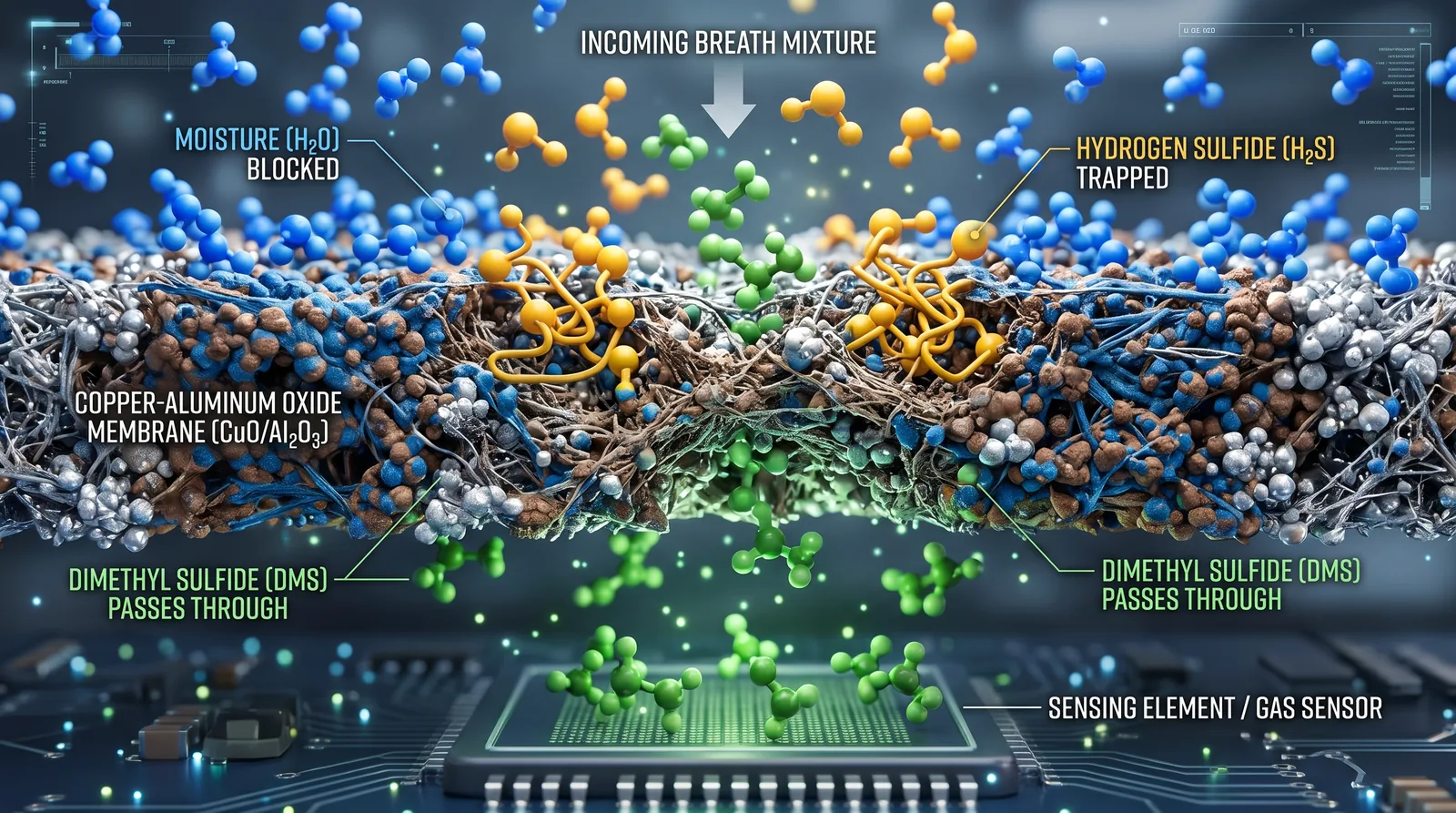
    Copper-aluminum oxide membrane breath sensor for liver disease detection

    Researchers developed a new breath-monitoring device that isolates tiny amounts of dimethyl sulfide to screen for liver disorders without invasive tests. This matters because it could enable pain-free, early detection of conditions like cirrhosis if clinical reliability is proven.

    Chinese Academy of Sciences2 min read

  • Physics

    Overcoming Parallel Control Limits in Silicon Spin Qubits

    Researchers achieved high-fidelity control over a five-qubit silicon array operating simultaneously by implementing a scalable phase-calibration protocol. This matters because controlling multiple qubits in parallel without losing accuracy is a critical step toward scalable quantum processors.

    RIKEN2 min read

  • AI & Automation

    MathHelm coordinates global discussions on automated math manuscripts

    A scientific committee launched a collaborative platform called MathHelm to centralize discussions around 722 AI-authored math documents released in 2026. The nonprofit platform aims to help researchers navigate machine-made preprints that lack traditional human validation.

    Terence Tao (UCLA)1 min read

  • AI & Automation

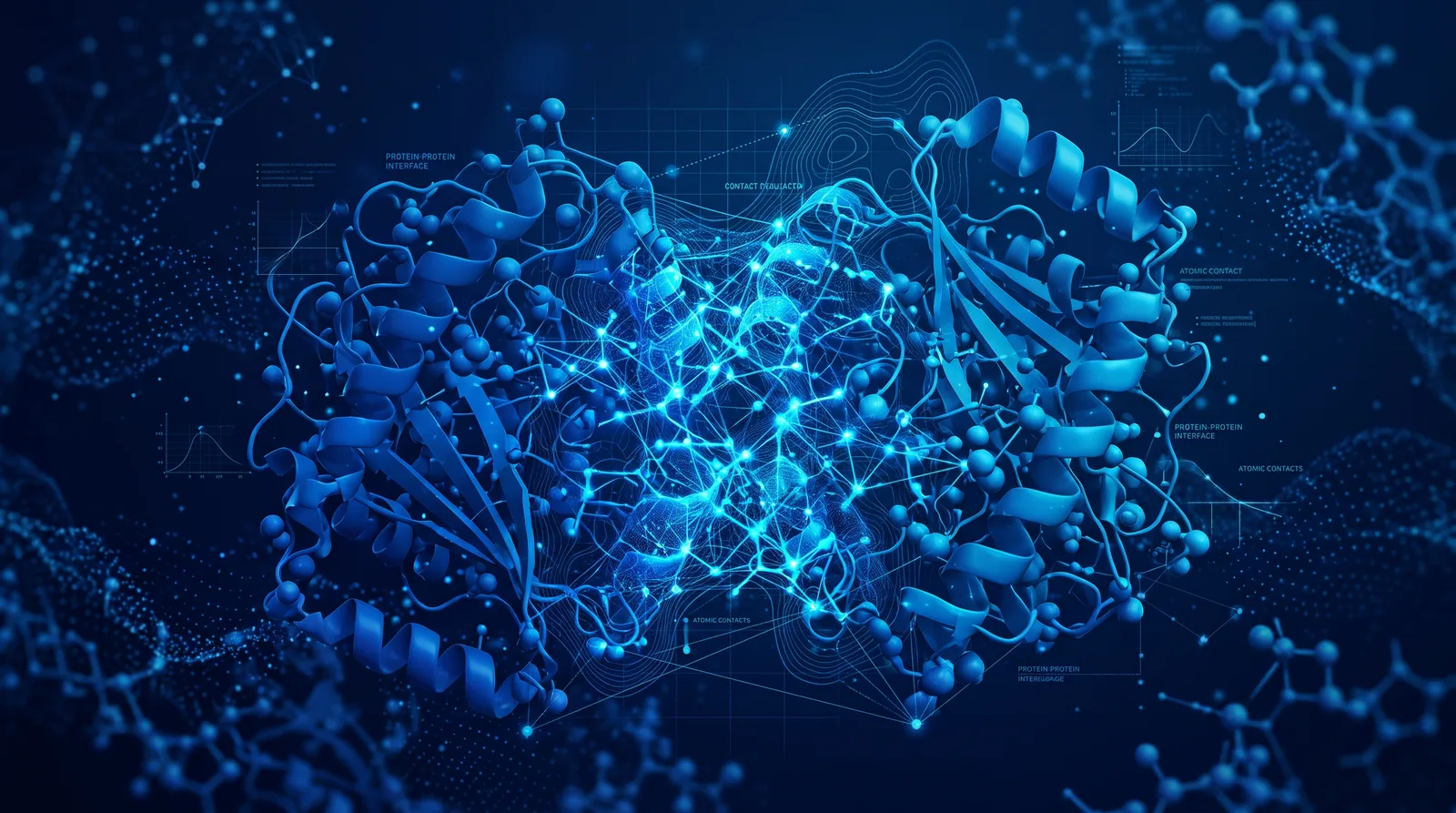
    Deep learning tool checks protein contact areas in cryo-EM models

    Researchers have developed a deep learning approach called DPI-Score to evaluate protein contact areas in macromolecular complexes determined via cryo-EM. This method achieves 87.53% validation accuracy on tens of thousands of interfaces, helping catch structural flaws that standard map-to-model tools miss.

    Nature Communications1 min read

  • Health

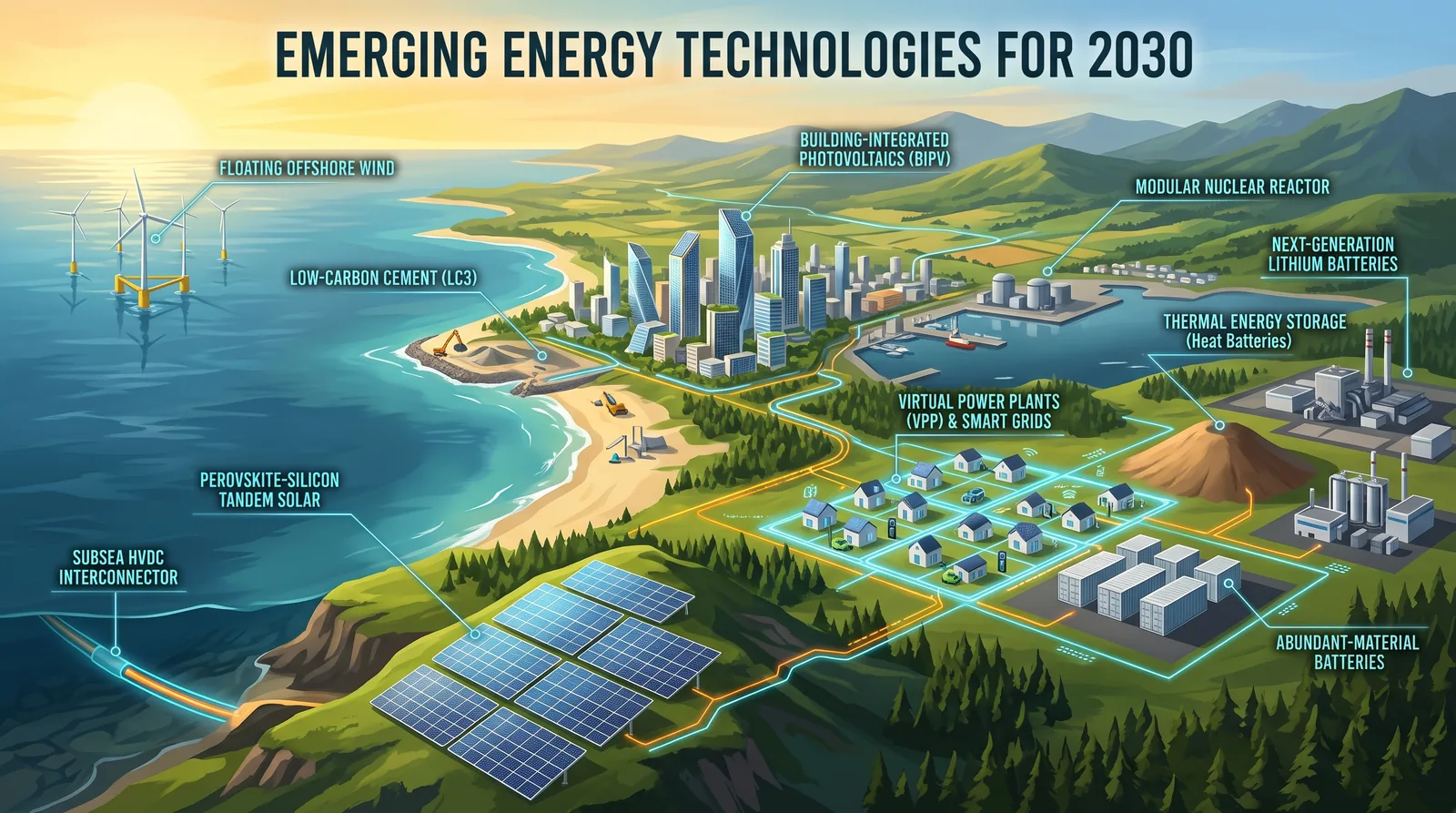
    Ten emerging energy innovations targeting global electricity demands

    A new publication details ten emerging energy innovations designed to curb pollution and expand electricity access before the end of the decade. These developments arrive as global electricity consumption is projected to grow significantly.

    Frontiers Science News2 min read

  • AI & Automation

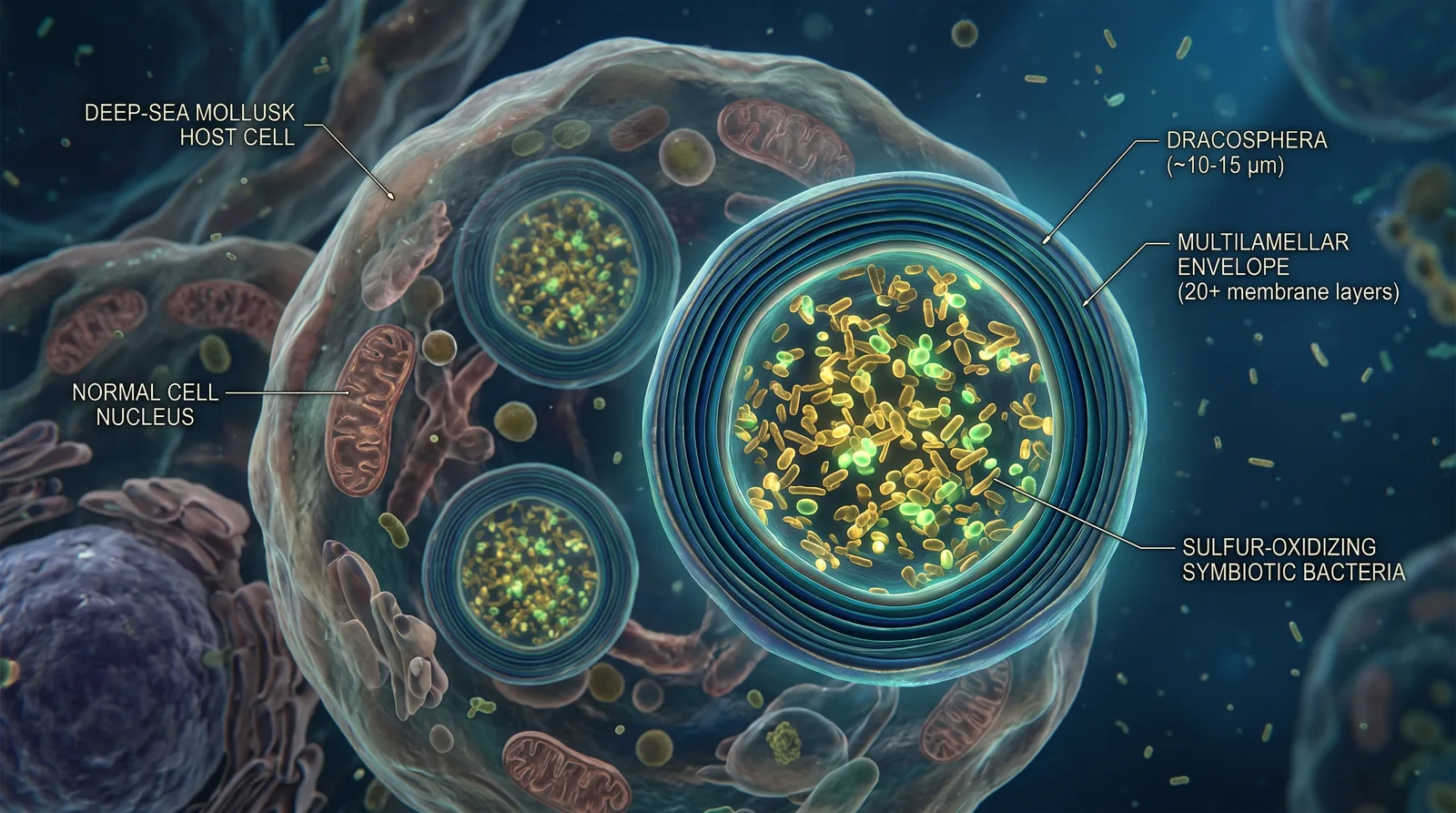
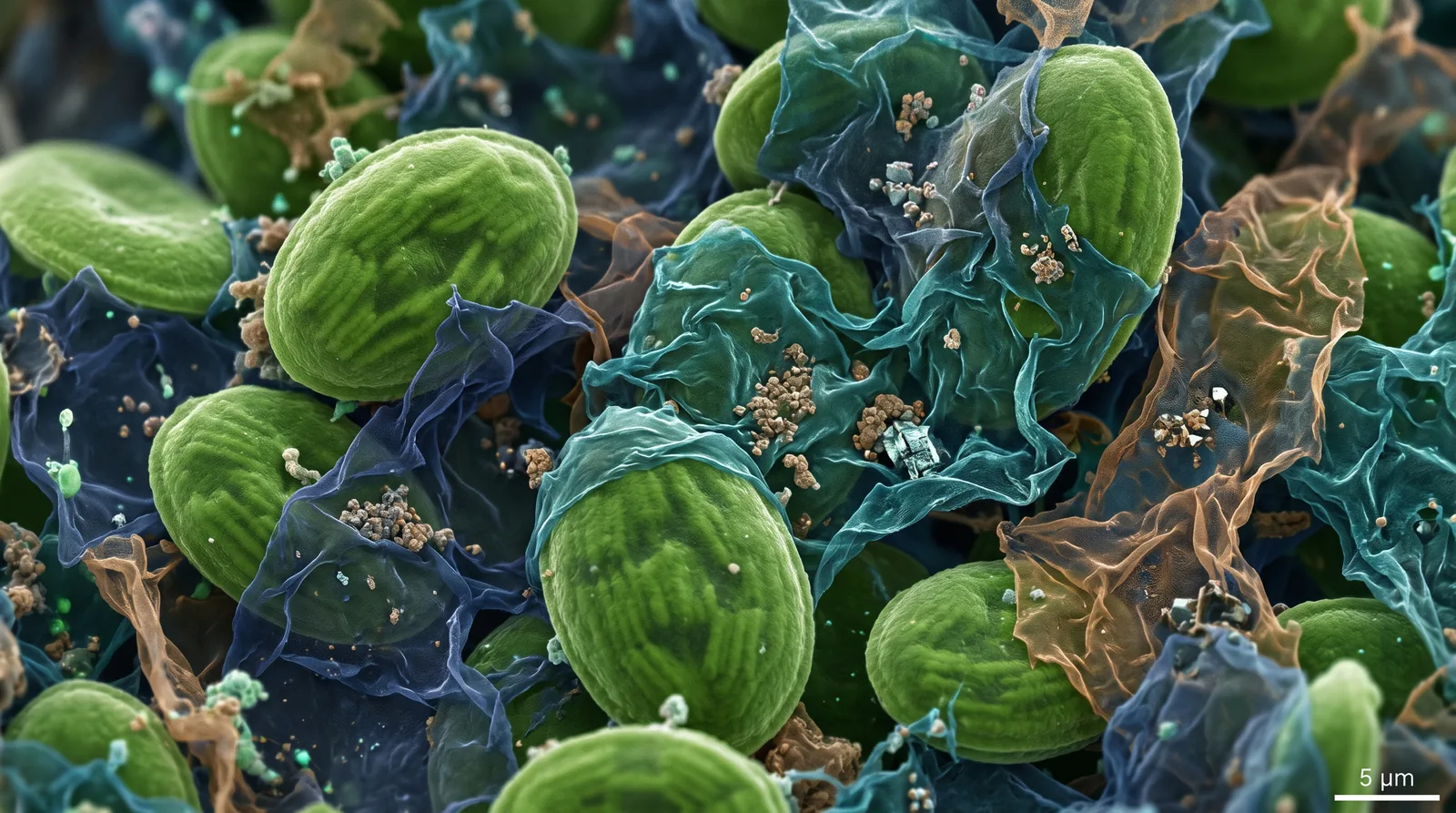
    Deep-sea mollusk reveals unique cellular structure for bacterial symbiosis

    Researchers have identified a specialized cellular structure in the deep-water mollusk Chaetoderma shenloong that hosts thousands of symbiotic bacteria. This finding reveals a unique biological adaptation for survival in extreme deep-sea habitats lacking sunlight and oxygen.

    HKUST1 min read

  • Space & Astronomy

    Mapping invisible cosmic structures through gravitational lenses

    Astronomers are using collections of gravitationally lensed galaxies captured by Hubble to test dark matter theories and prepare analytical pipelines for upcoming data from the Roman telescope. This dual-telescope strategy enables researchers to spot microscopic irregularities in lensed arcs that signal hidden matter clumps.

    NASA1 min read

  • Environment

    Targeted irrigation fraction planning to protect Philippine rice yields

    Researchers evaluated over 11,000 regional yield entries to measure how irrigation affects rice vulnerability to temperature increases in the Philippines. The findings reveal specific coverage thresholds needed to protect national food security against climate shocks.

    Chinese Academy of Sciences2 min read

  • Physics

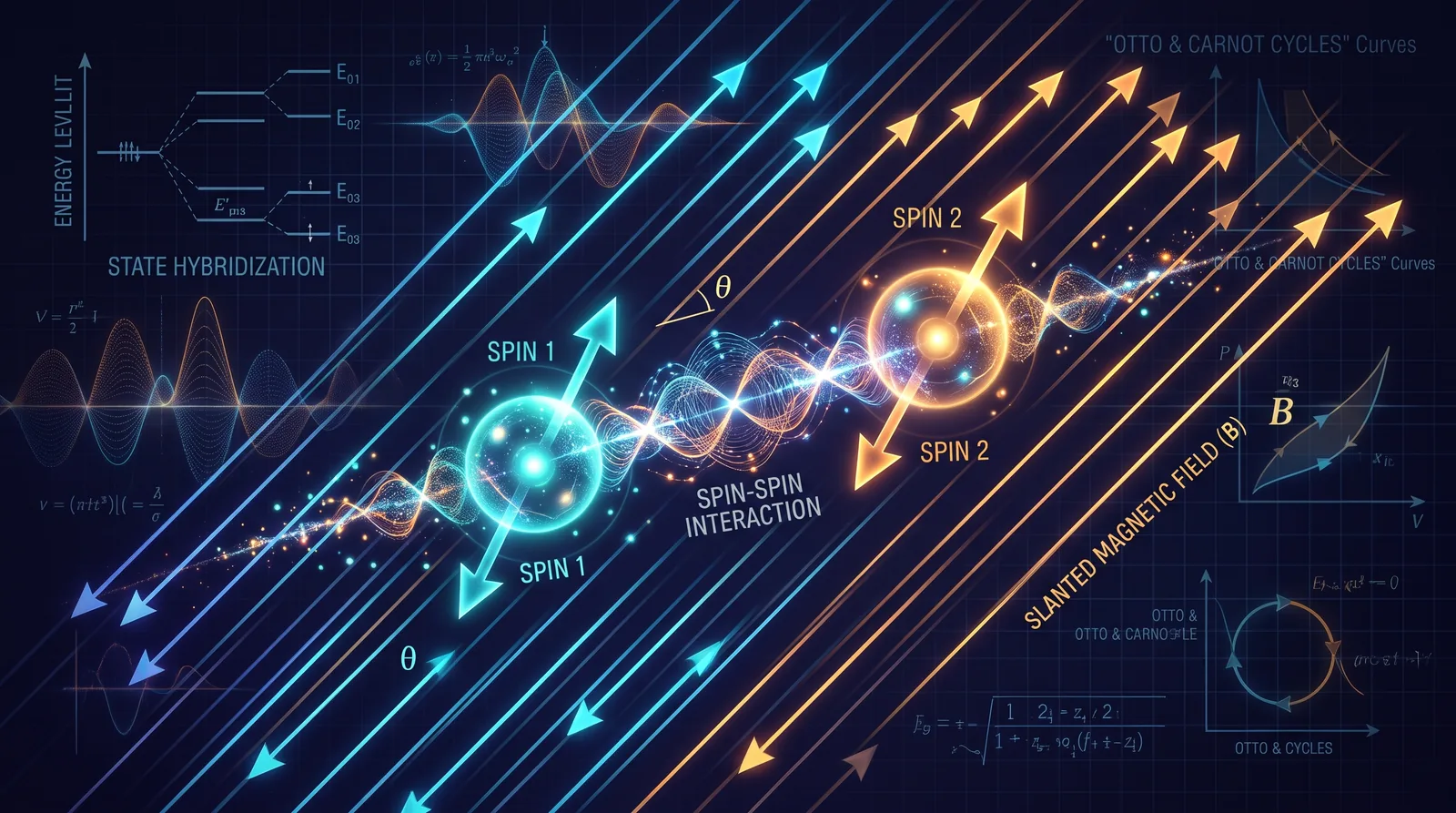
    Simulating quantum refrigerators and heat engines with two-spin systems

    Researchers modeled thermodynamic efficiency in quantum refrigerators and heat engines using a two-spin system exposed to a slanted magnetic field. This simulation matters because understanding how energy levels and state hybridization interact in microscopic frameworks is essential for designing future quantum thermal devices.

    Scientific Reports2 min read

  • Engineering

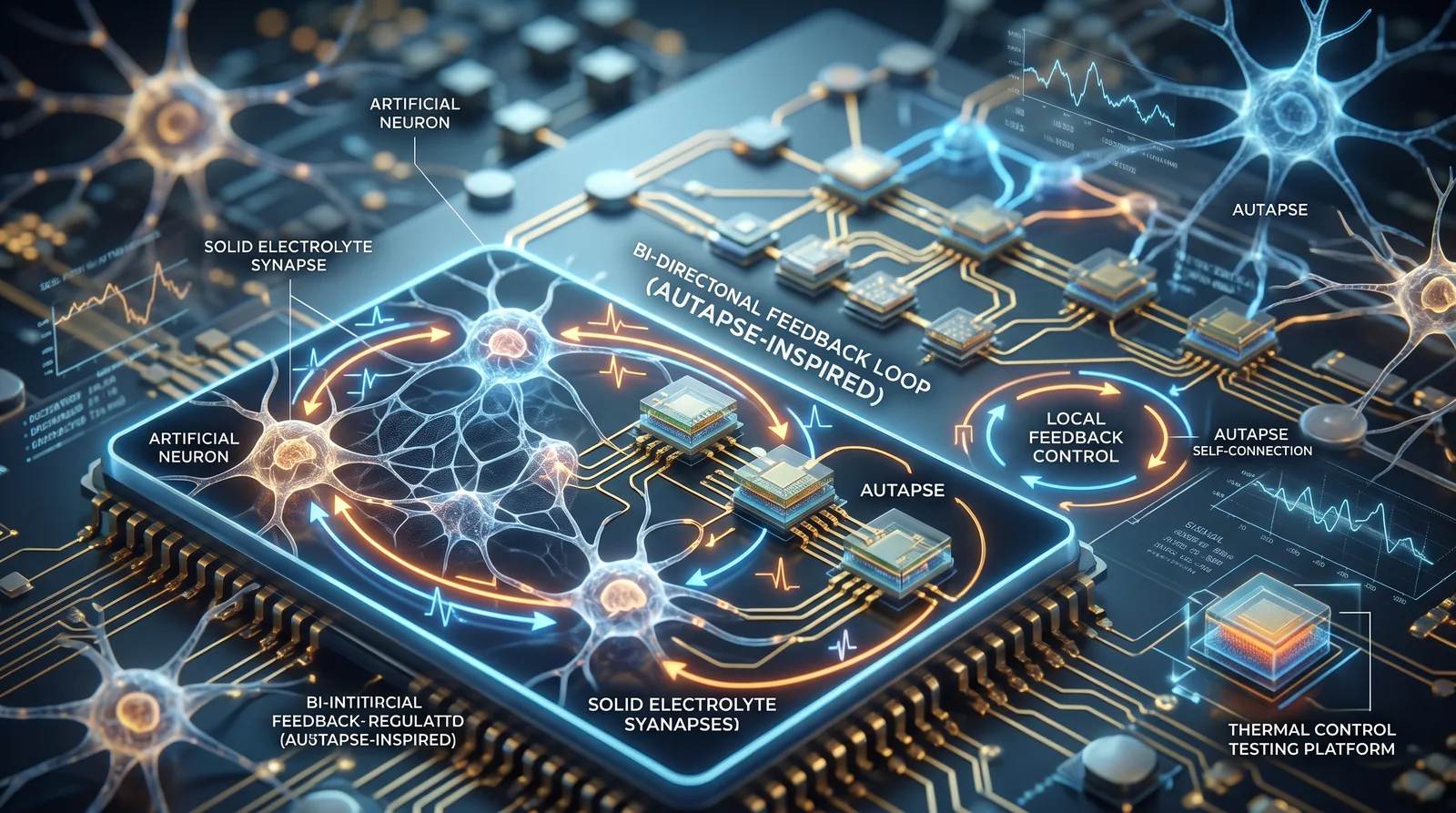
    Neuromorphic hardware design mimics biological autapses for local feedback regulation

    Researchers developed a neuromorphic hardware architecture inspired by biological autapses to perform feedback regulation locally using artificial neurons and solid electrolyte synaptic transistors. This approach matters because it aims to support independent, power-saving apparatuses by bypassing the obstacles of traditional centralized feedback control.

    Nature Communications2 min read

  • Space & Astronomy

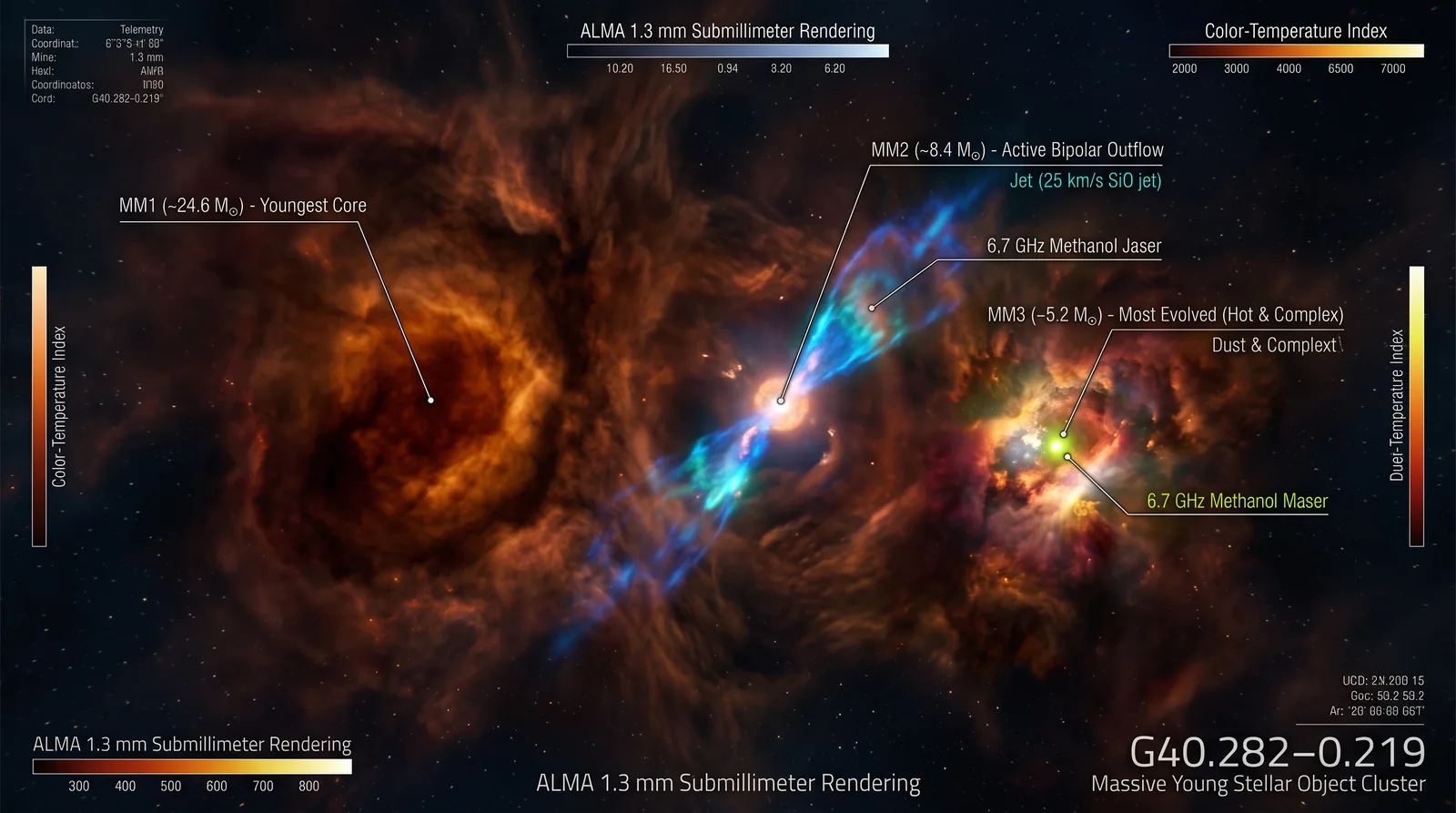
    Mapping internal stellar cores in distant star-forming regions

    Astronomers utilized high-resolution radio telescope data to map the internal structure of the distant star-forming region G40.282−0.219, revealing three distinct dense cores. This detailed breakdown clarifies how massive stars develop across different simultaneous phases of evolution.

    Chinese Academy of Sciences2 min read

  • Computing

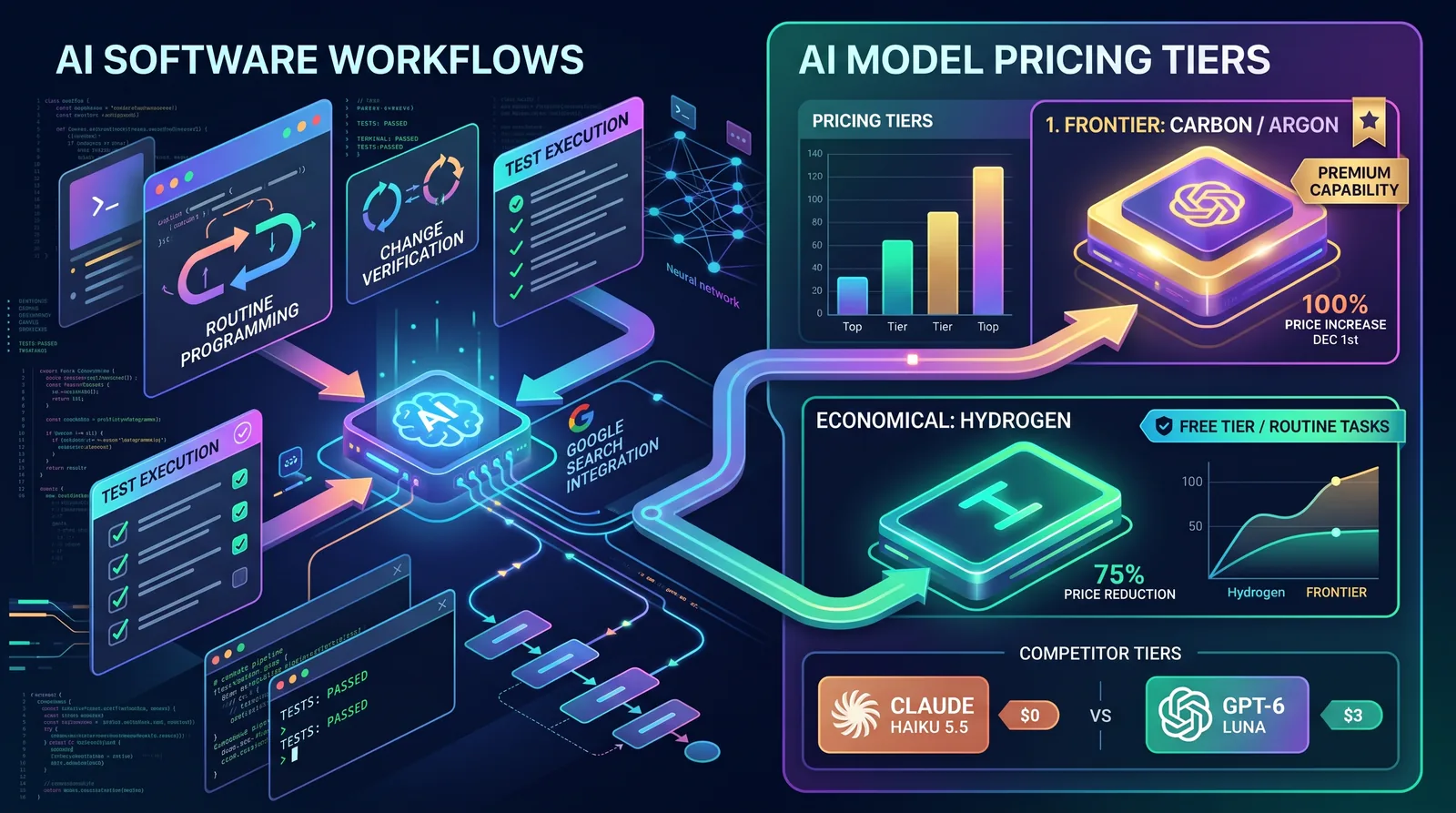
    Google launches Gemini 4 Hydrogen with an unusual pricing strategy

    Google has released a new artificial intelligence model named Gemini 4 Hydrogen, designed to handle routine programming and power search features. However, its current launch pricing sits just twenty-five percent below its more powerful counterparts before a planned price restructuring.

    Simon Willison1 min read

  • Health

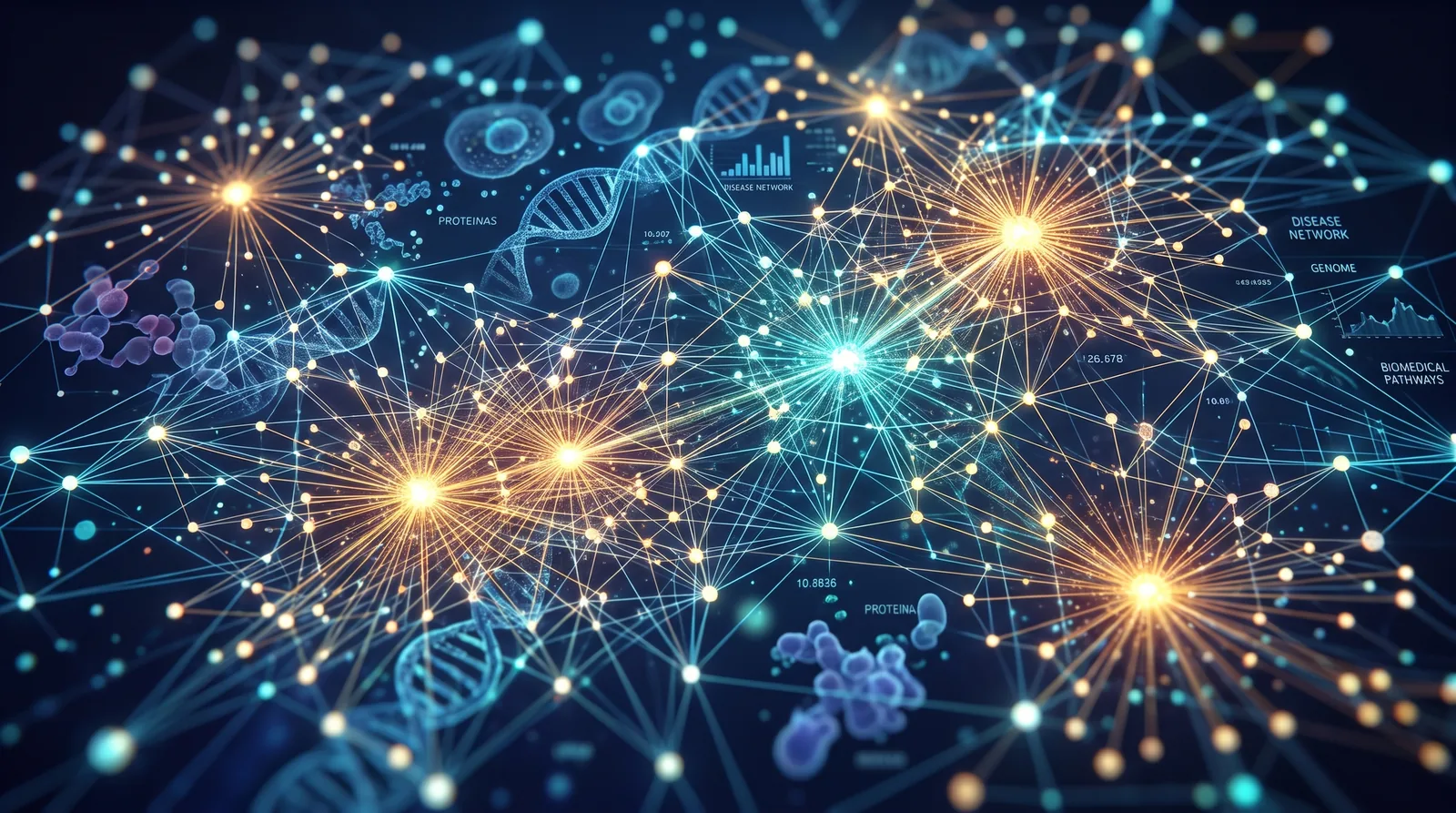
    Mapping the hidden hubs of biology and nutrition

    Researchers have mapped how complex systems across biology, society, and technology share underlying network principles driven by organizing hubs. This shift explains why most pharmaceutical drugs act downstream rather than binding directly to primary disease-causing proteins.

    Quanta Magazine3 min read

  • Health

    When data upkeep fails in municipal surveillance platforms

    An analysis of the Smart Sampa facial recognition platform reveals thousands of police detentions accompanied by hundreds of erroneous approaches. The findings show that human and administrative data upkeep failures surpass algorithmic identification mistakes.

    Jornal da USP2 min read

  • Environment

    Synthetic iron-sulfur framework boosts photosynthetic carbon fixation in the laboratory

    Researchers have developed a synthetic organic iron-sulfur framework that mimics crucial biological electron-moving properties while avoiding natural vulnerability to oxygen. This material successfully integrates with chloroplasts to boost carbon fixation, potentially overcoming historical chemical blocks in biomimetic energy conversion.

    Chinese Academy of Sciences2 min read

  • AI & Automation

    BotPsy brings agentic tool use to small 0.8B models

    Tether AI Research has introduced BotPsy, a 0.8-billion-parameter AI model built for on-device agentic workflows and tool calling. The model roughly doubles the capability of its base model across major benchmarks while using fewer reasoning tokens, though it remains unsuited for high-stakes deployment.

    Hugging Face Blog3 min read

  • Environment

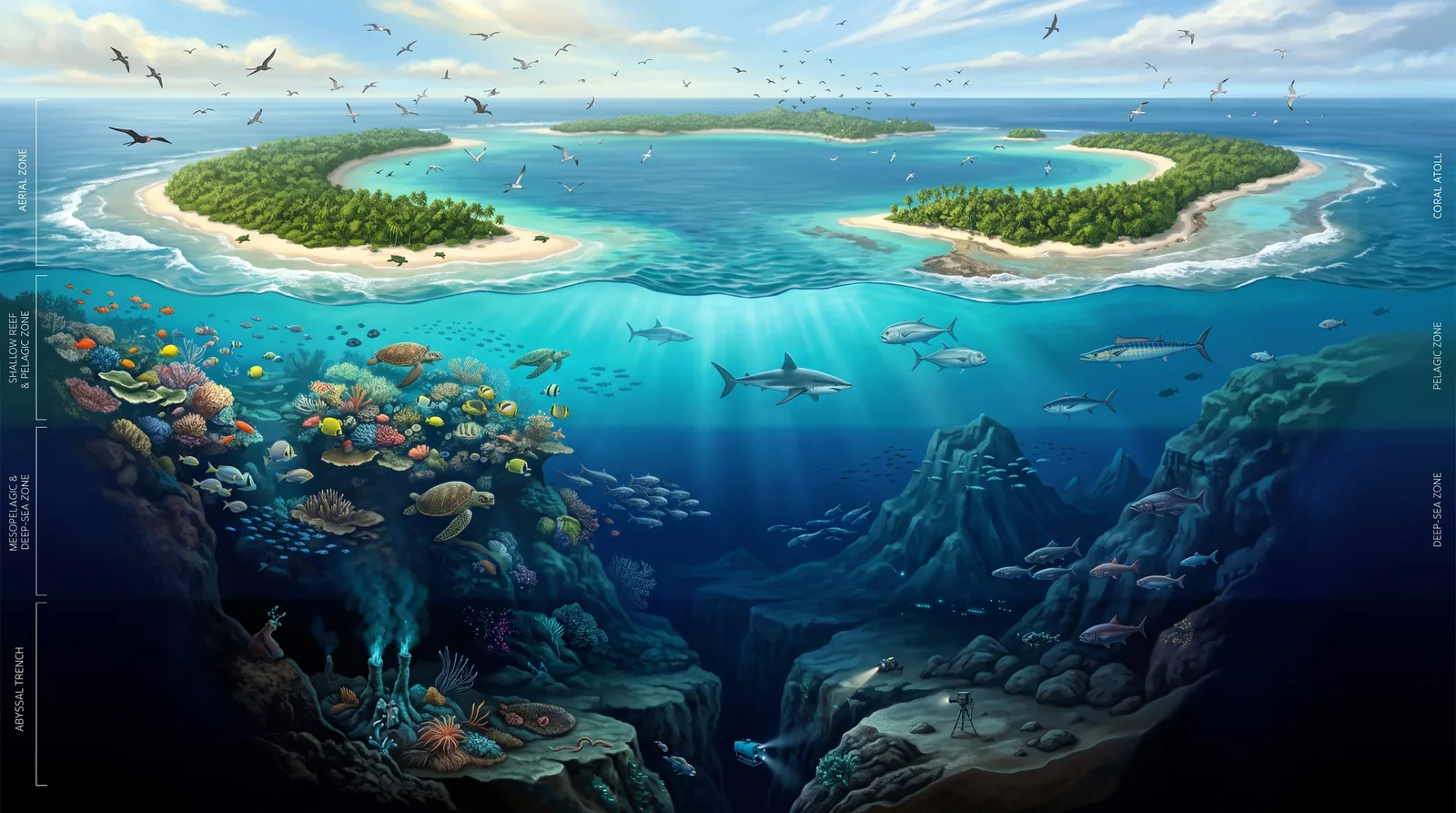
    Mapping pristine Pacific coral atolls from the atmosphere to the abyss

    Comprehensive surveys across two isolated Pacific atolls revealed thriving, near-pristine ecosystems spanning from aerial environments to the deep-sea abyss. These findings directly led to the official protection of a massive surrounding ocean zone as a national marine sanctuary.

    Frontiers Science News2 min read

  • Health

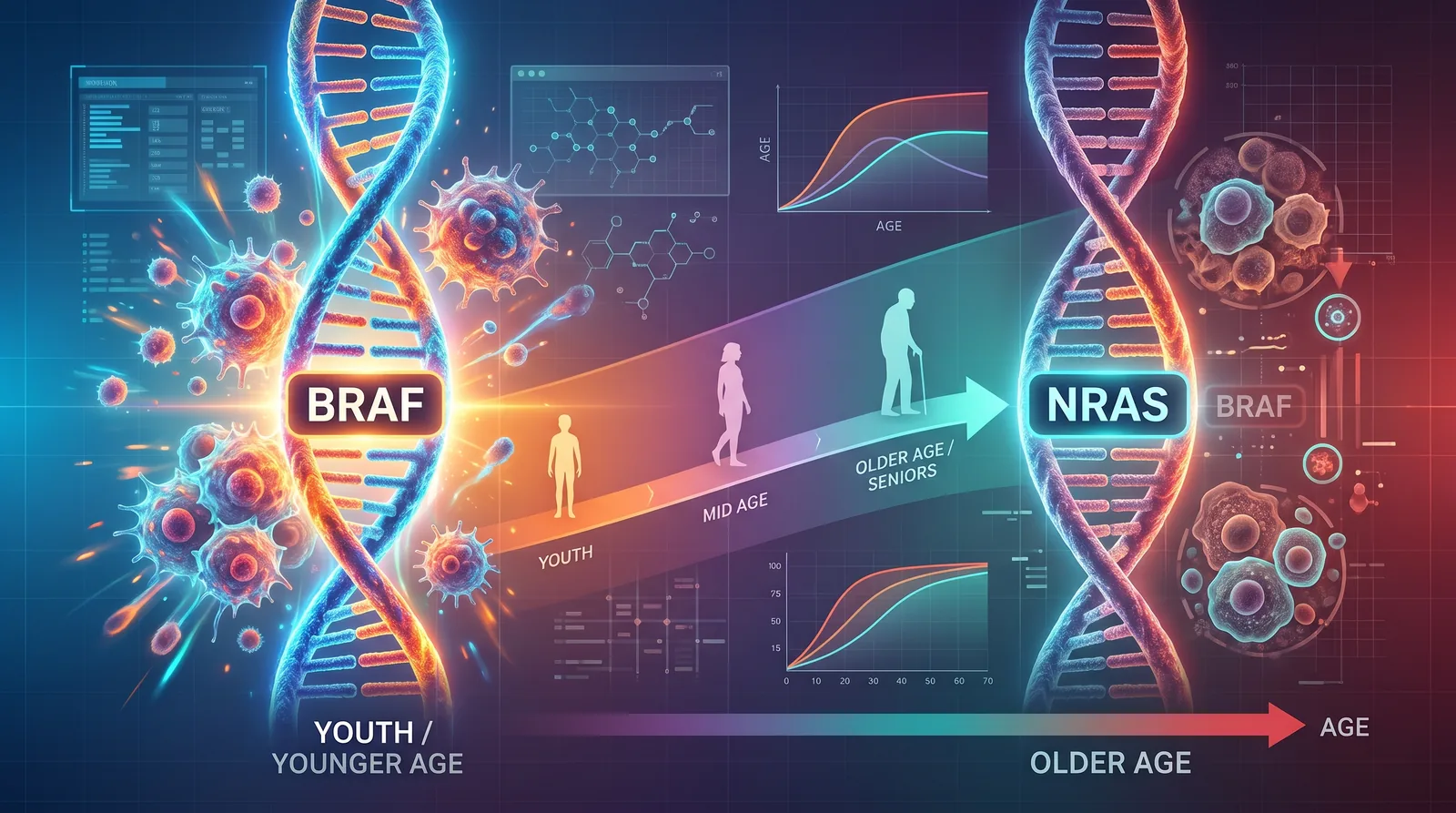
    Chronological Age Shifts the Impact of Melanoma Mutations

    A new observational study from Yale University reveals that the prevalence and growth impact of key melanoma mutations, such as BRAF and NRAS, shift dramatically depending on a patient's chronological age. Incorporating these age-dependent probabilities could reshape how targeted cancer therapies and clinical trials are designed for different age groups.

    Yale News2 min read

  • Health

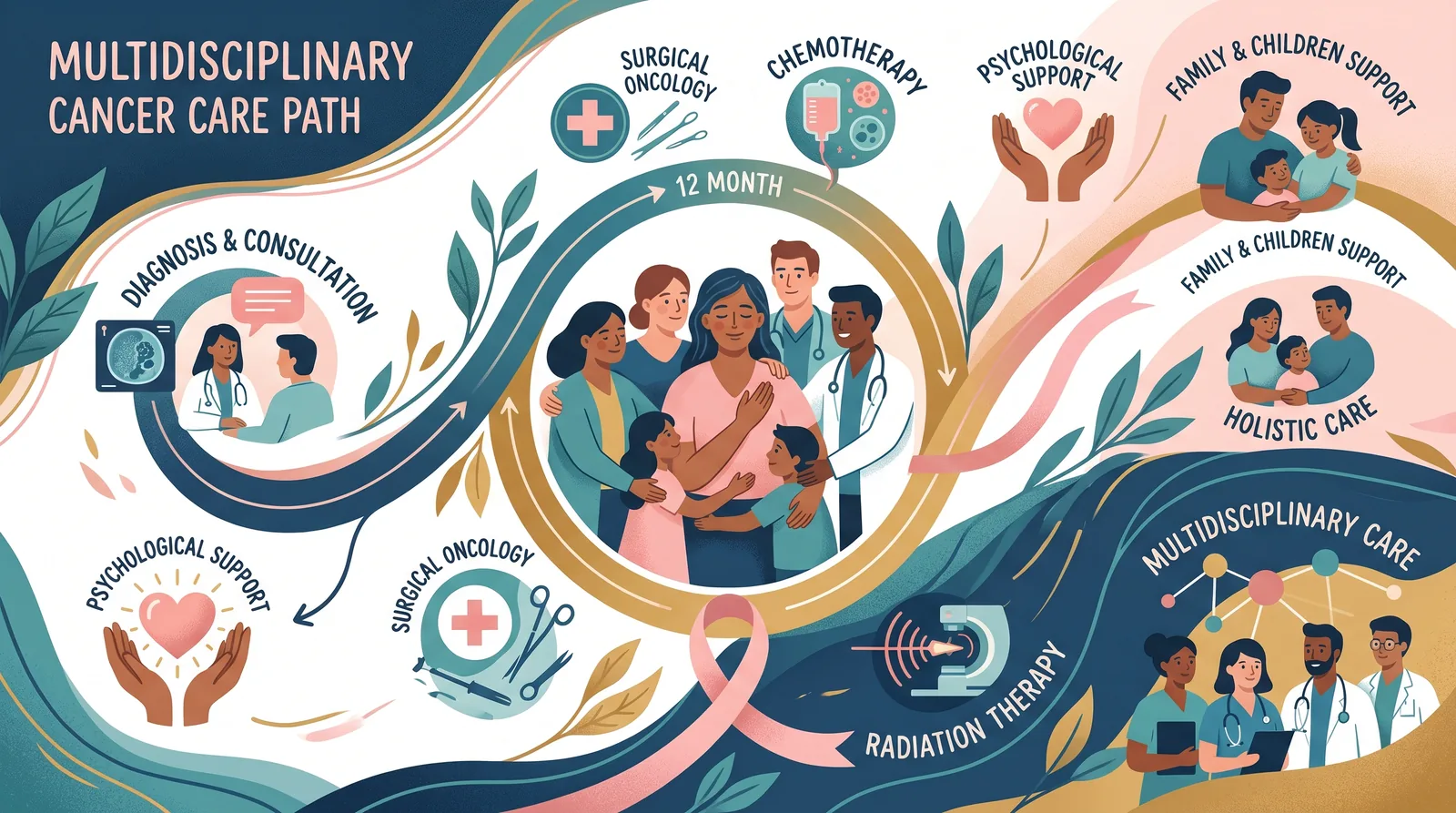
    Navigating a one-year integrated cancer care pathway

    A 40-year-old patient diagnosed with Stage III breast cancer navigated a multidisciplinary treatment regimen including chemotherapy, radiation, and psychological support over a one-year period. Examining this single case illustrates how specialized cancer centers coordinate complex medical and supportive interventions following an initial physical examination.

    Yale News2 min read

  • Computing

    How smartphone video analysis aims to streamline autism screening

    Researchers have engineered a smartphone software tool called ASD Super Agent to screen for autism and plan home therapies. The platform matters because it aims to bypass extended waiting periods for clinical evaluations that delay early help.

    HKUST2 min read