Skip to content

Cutting-edge science explained with clarity and rigor

We synthesize global scientific breakthroughs into 3-minute reads, directly translated and faithful to primary sources.

Showing 49–72 of 195
  • Health

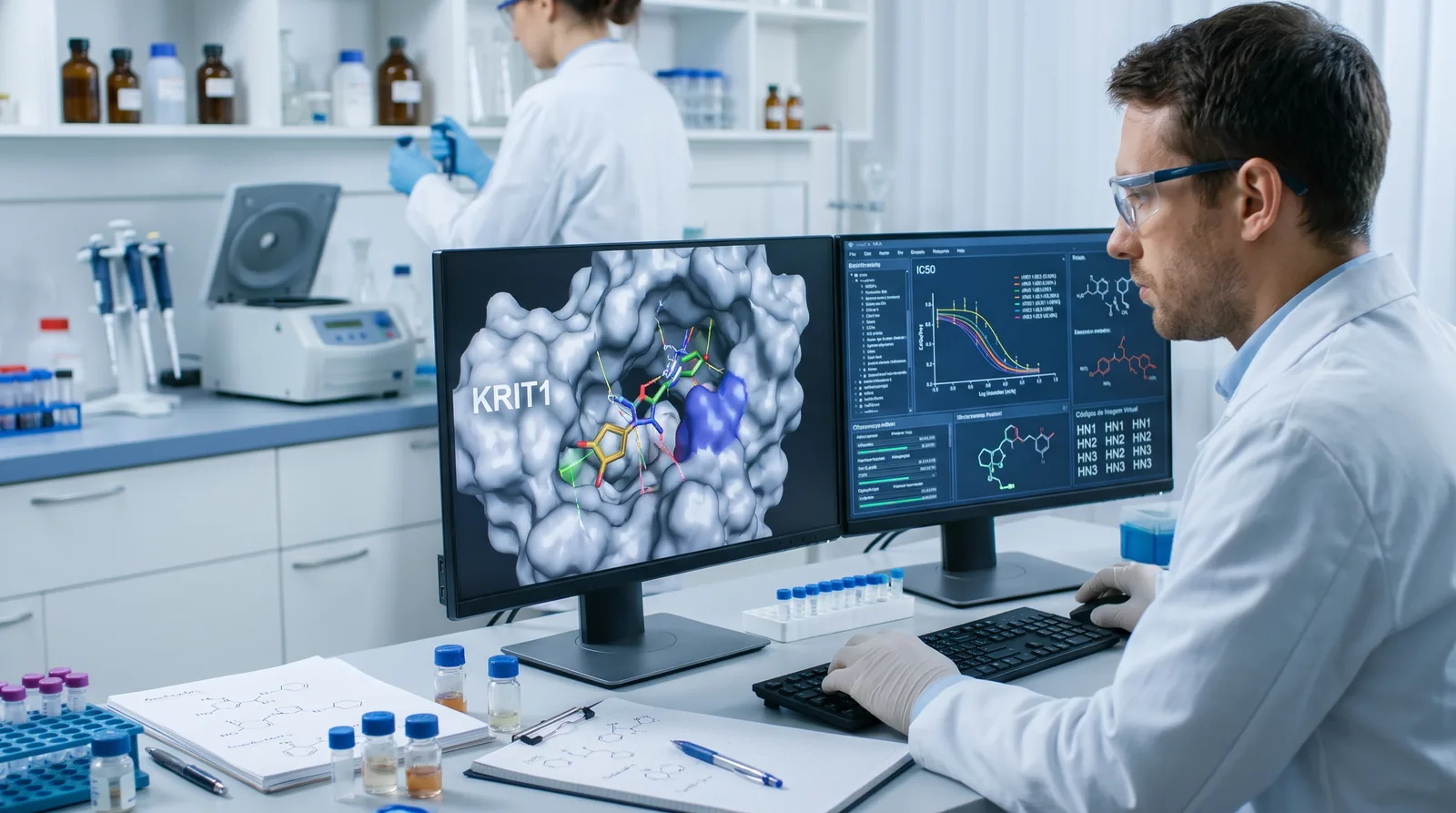
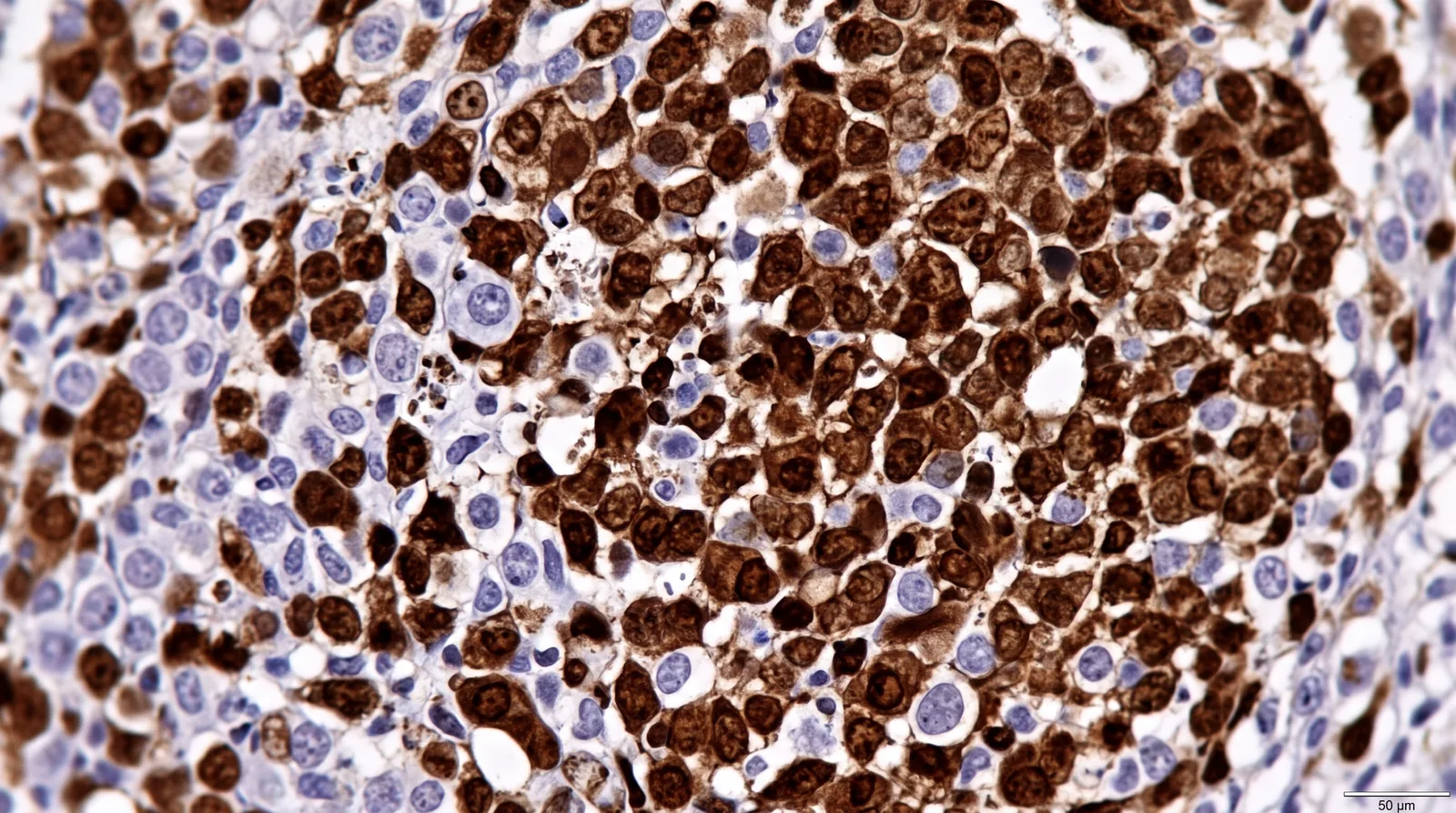
    UHRF1 Protein Overexpression and Gene Silencing in Adult T-Cell Leukemia/Lymphoma

    Researchers analyzed tissue samples from 102 individuals and found that UHRF1 protein abundance is significantly elevated in adult T-cell leukemia/lymphoma patients. Furthermore, experimental silencing of this factor in malignant T-cell lines successfully reduced cell growth rates and triggered cell death.

    PLOS ONE2 min read
  • AI & Automation

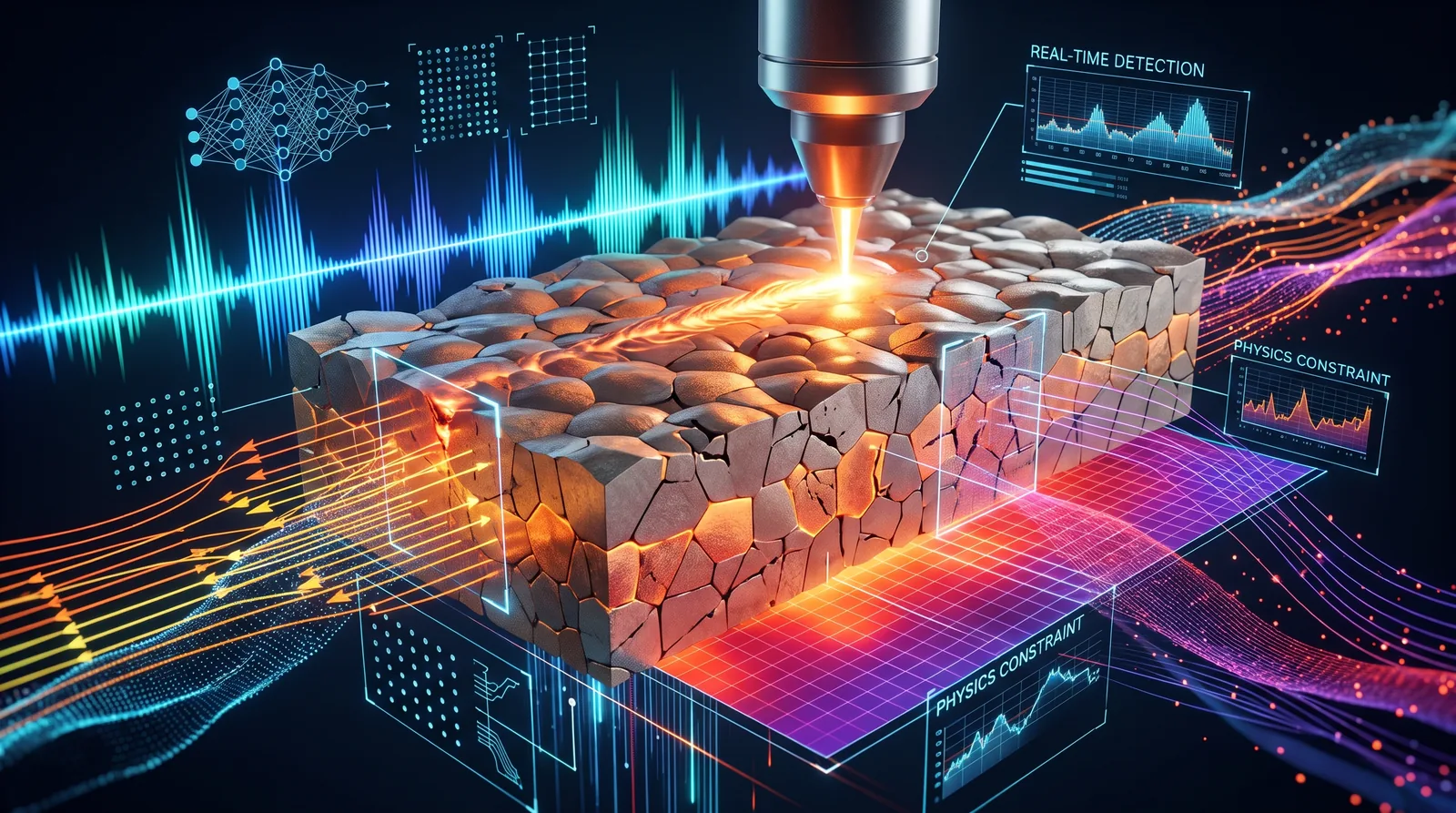
    Simulating flaw detection in additive manufacturing with deep learning

    Researchers introduced a physics-informed multimodal deep learning architecture called MCAT-Phys to detect manufacturing anomalies. This matters because flaw detection remains a primary obstacle for commercializing solid-state additive manufacturing.

    Scientific Reports2 min read

  • AI & Automation

    Tracking a Mystery Beep With an AI-Built Acoustic Array

    An author experiencing a mysterious intermittent beeping sound built a software application using Claude Code to locate it. By coordinating multiple household devices, the system triangulated the sound and found an old carbon monoxide detector within roughly 40 centimeters.

    Simon Willison1 min read

  • Physics

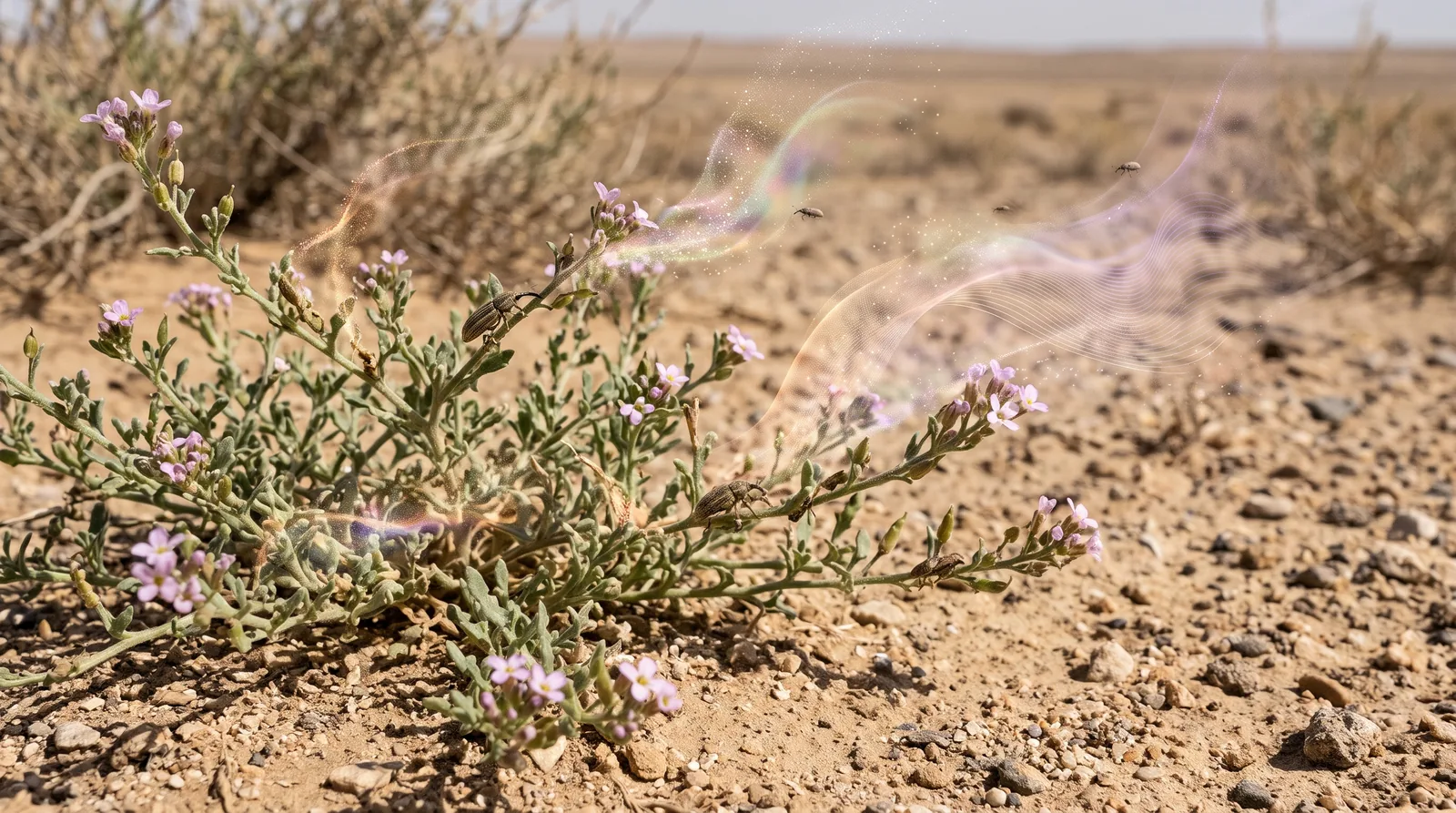
    How low-pressure herbivory stimulates desert plant growth

    Researchers tracked desert plants naturally infested by weevils in the Gurbantunggut Desert and found that attacked specimens doubled their biomass and fruit production compared to uninfested ones. Understanding this overcompensation reveals how specific environmental contexts can turn herbivore damage into a reproductive advantage.

    Chinese Academy of Sciences2 min read

  • Health

    Unlocking Earth's Deep Secrets Through Ancient Crystal Droplets

    Investigadores examinaram inclusões fundidas em erupções vulcânicas históricas no Havai e detetaram uma assinatura isotópica pesada de carbono-13. O trabalho fornece a primeira estimativa baseada em observações da assinatura isotópica do carbono no núcleo, sugerindo que grande parte deste elemento chegou das zonas exteriores do sistema solar nas fases tardias de formação.

    Yale News2 min read

  • Engineering

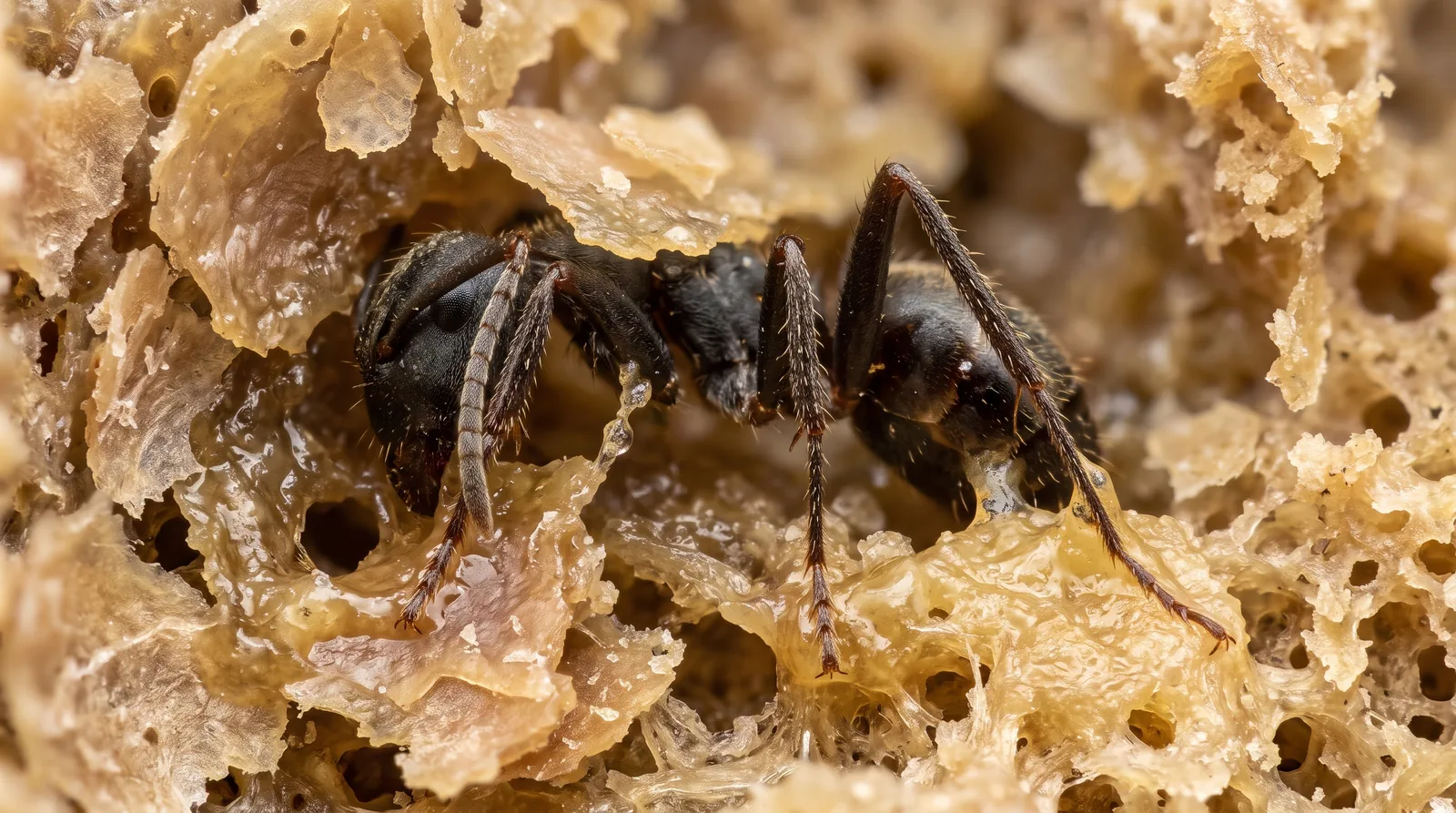
    How Earwax Mechanically Traps Crawling Insects

    Researchers investigated the physical mechanics of earwax and discovered that its unique texture stops crawling insects without toxic chemicals. This matters because earwax blockages already cause millions of clinical visits yearly, while routine devices like earbuds risk pushing debris deeper.

    Georgia Tech1 min read

  • Environment

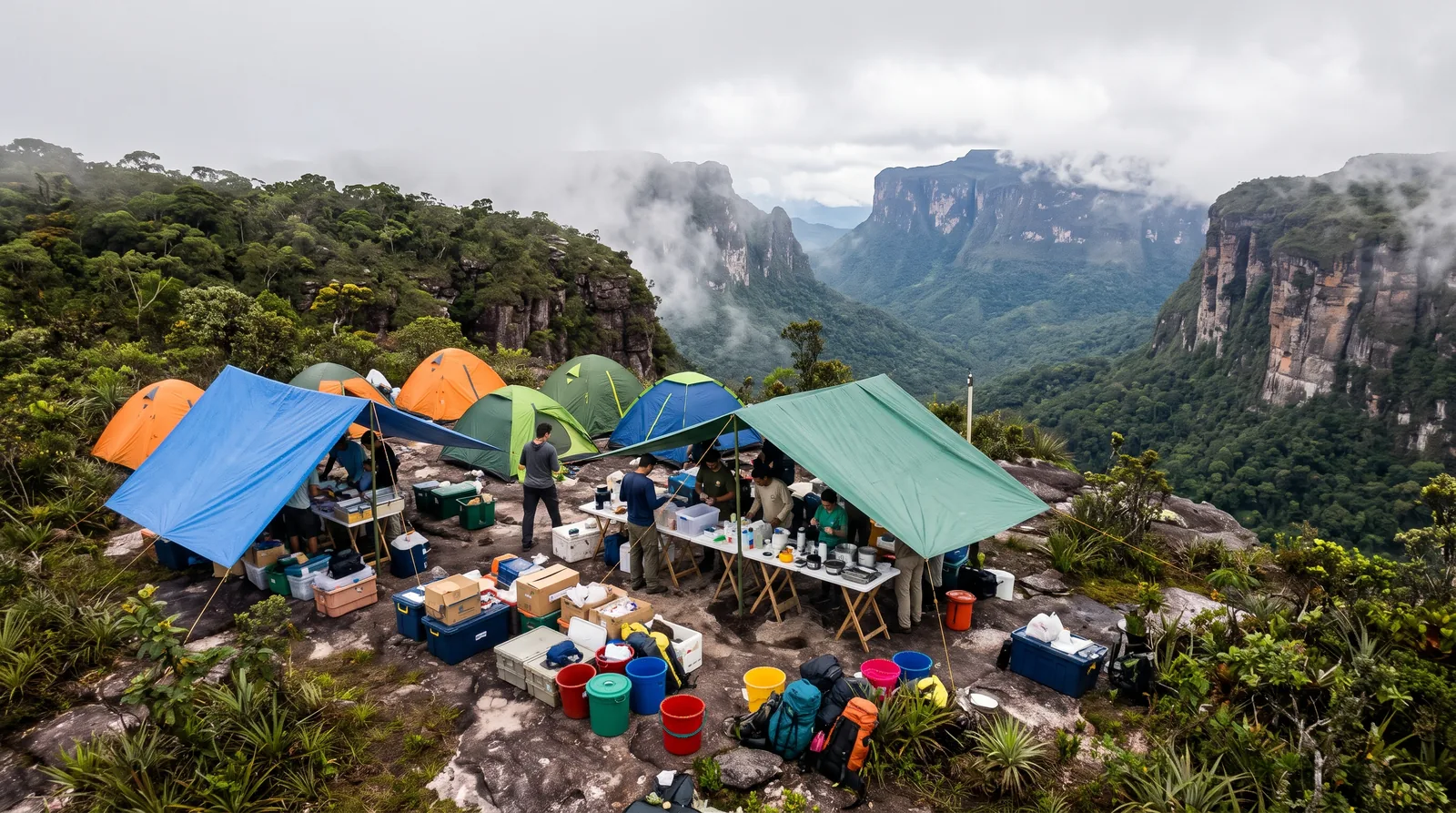
    Mapping remote highland ecosystems on Serra do Aracá

    A team of 16 researchers spent 19 days investigating biodiversity in the highland ecosystems of Serra do Aracá in northern Amazonas. The expedition completed a major mapping effort to document endemic species and historical climate changes in these isolated sky islands.

    Revista Pesquisa FAPESP2 min read

  • AI & Automation

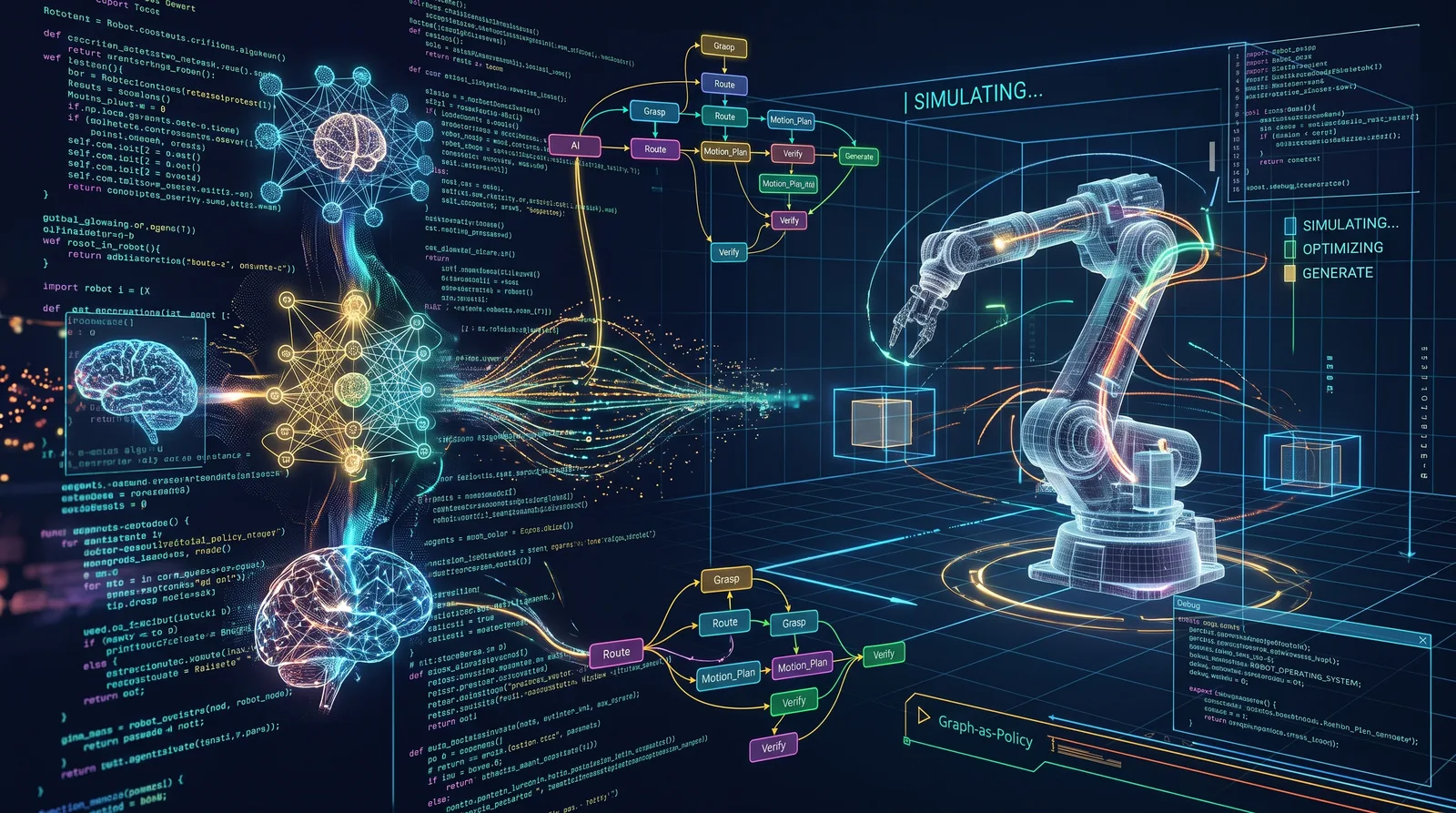
    Automating Robot Code Generation Through Simulation and Agentic AI

    Researchers introduced agentic robotics, a methodology where teams of artificial intelligence agents write, test, and debug robot operation software in simulation. This approach bypasses traditional heavy manual programming and large data requirements, successfully updating commercial parcel-sorting fleets.

    UC Berkeley2 min read

  • Engineering

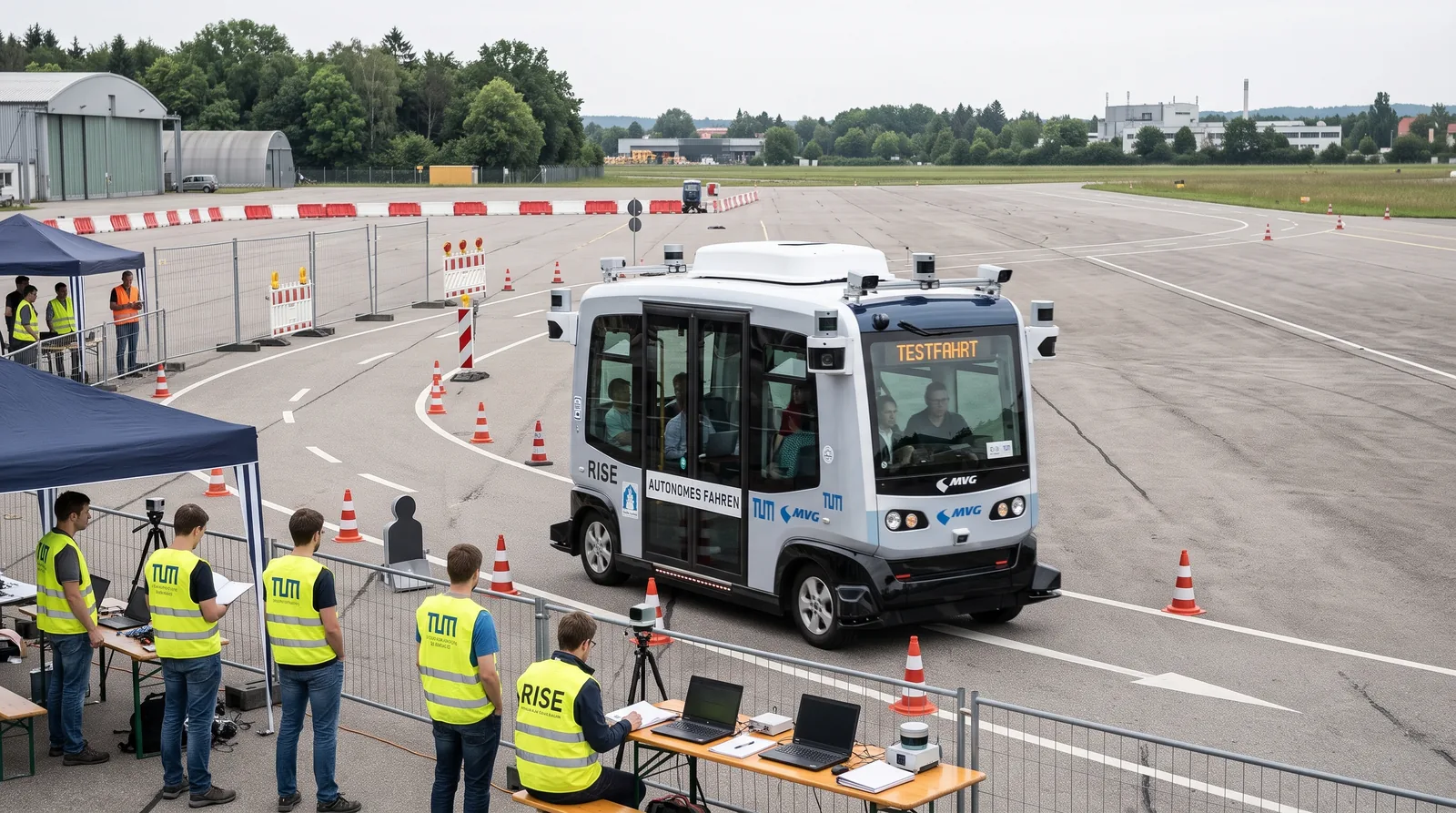
    Scaling automated public transit through the RISE initiative

    Four hundred participants gathered in Munich to launch the RISE initiative, backed by 20 million euros in federal funding to develop and scale automated public transit. This project matters because it tests self-driving shuttles as a direct countermeasure against transit staff shortages and increasing financial pressures.

    TU Munich1 min read

  • AI & Automation

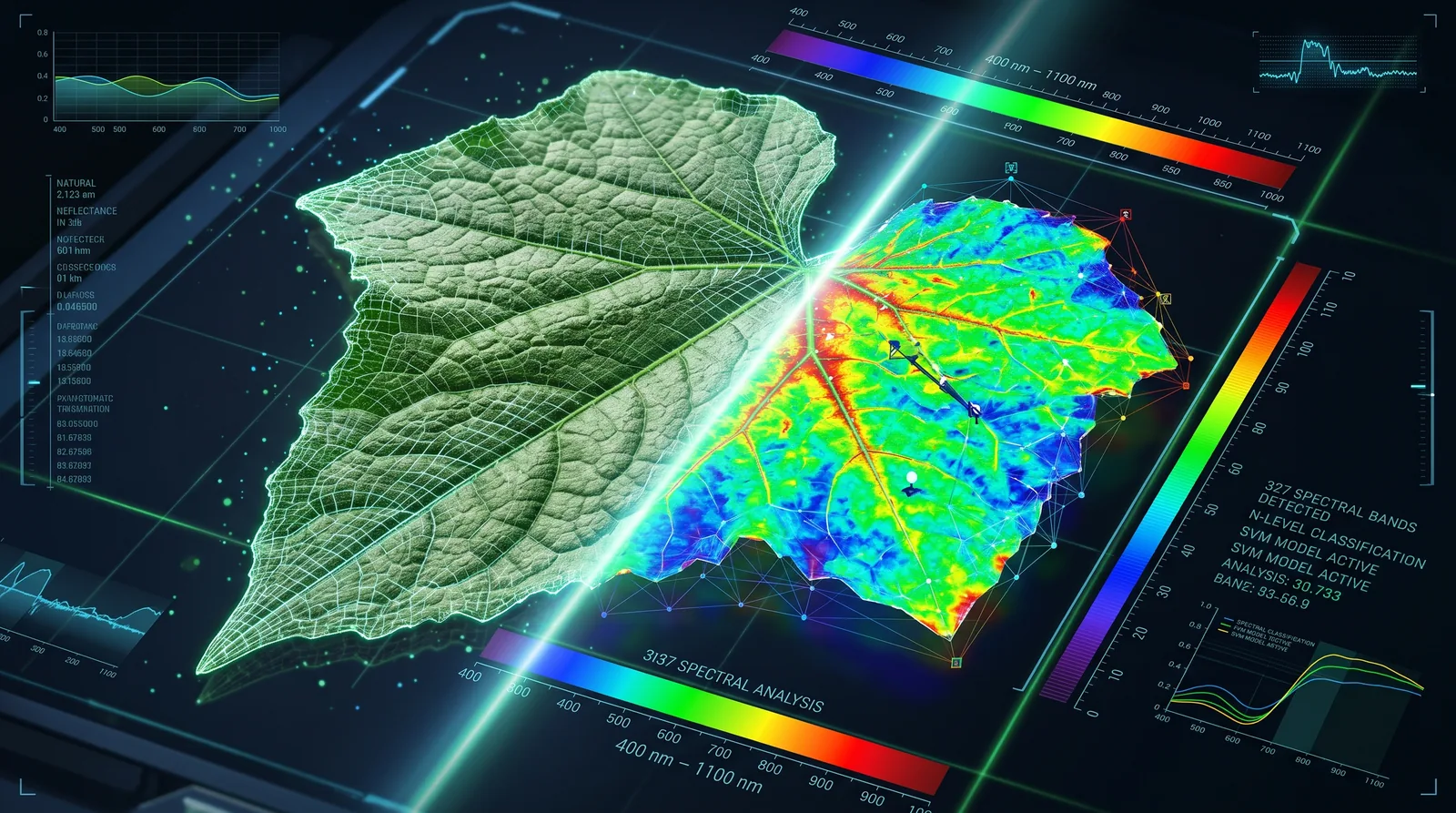
    Classifying nitrogen in cucumber leaves with hyperspectral imaging and machine learning

    Researchers tested whether combining hyperspectral imaging with machine learning models could accurately categorize varying nitrogen fertilizer levels in cucumber leaves. By identifying specific spectral bands from plant samples, the setup reached high classification accuracy, pointing to potential improvements for agricultural nutrient management.

    Scientific Reports2 min read

  • Computing

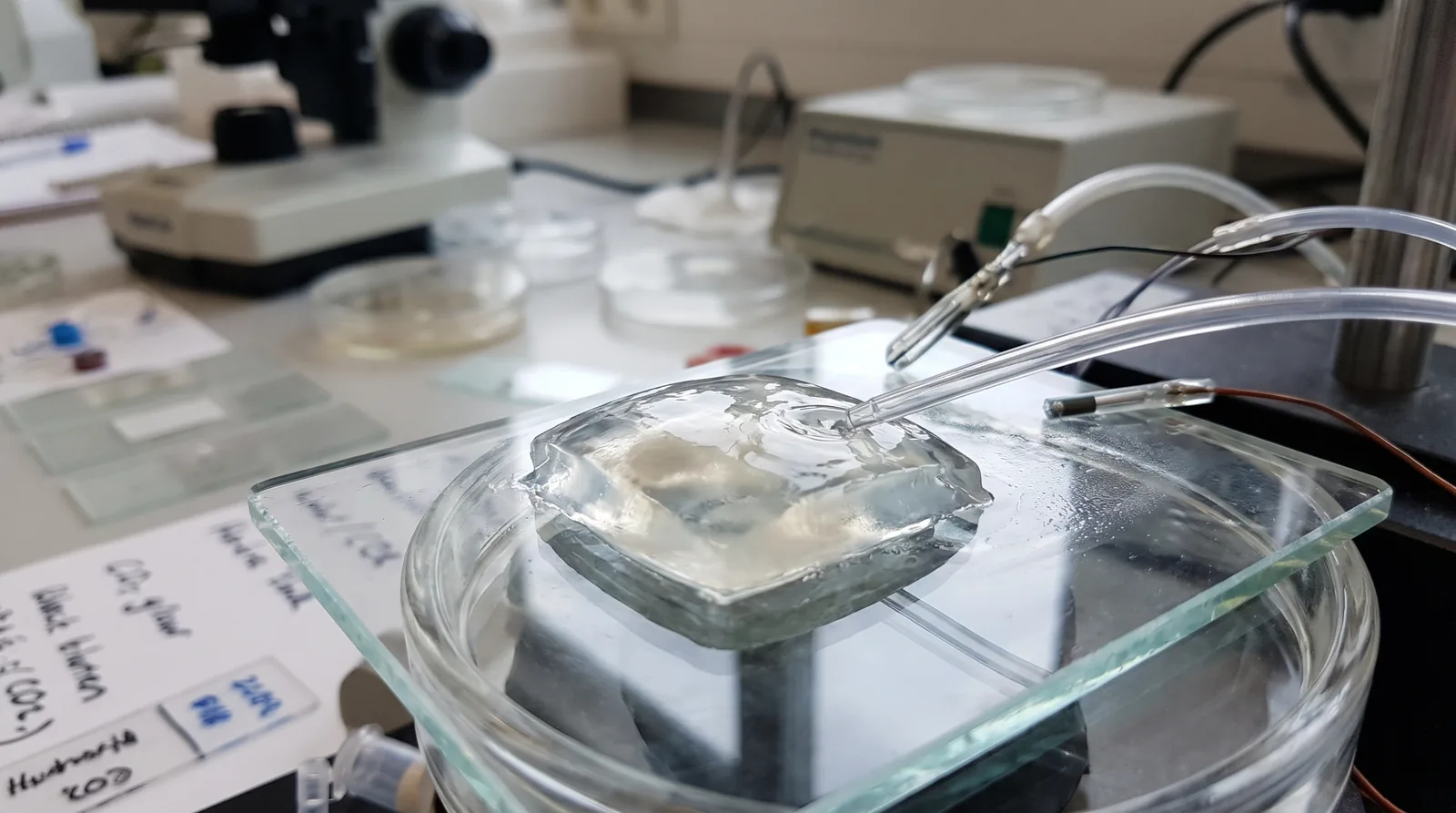
    Directly Programming Materials with Carbon Dioxide Gas

    Researchers have demonstrated that carbon dioxide can act as a direct and reversible trigger to manipulate materials from the nanoscale up to centimeter-sized hydrogels. This discovery introduces a universal method for controlling matter using gaseous stimuli, which have been largely overlooked compared to light or pH.

    Nature Communications2 min read

  • Health

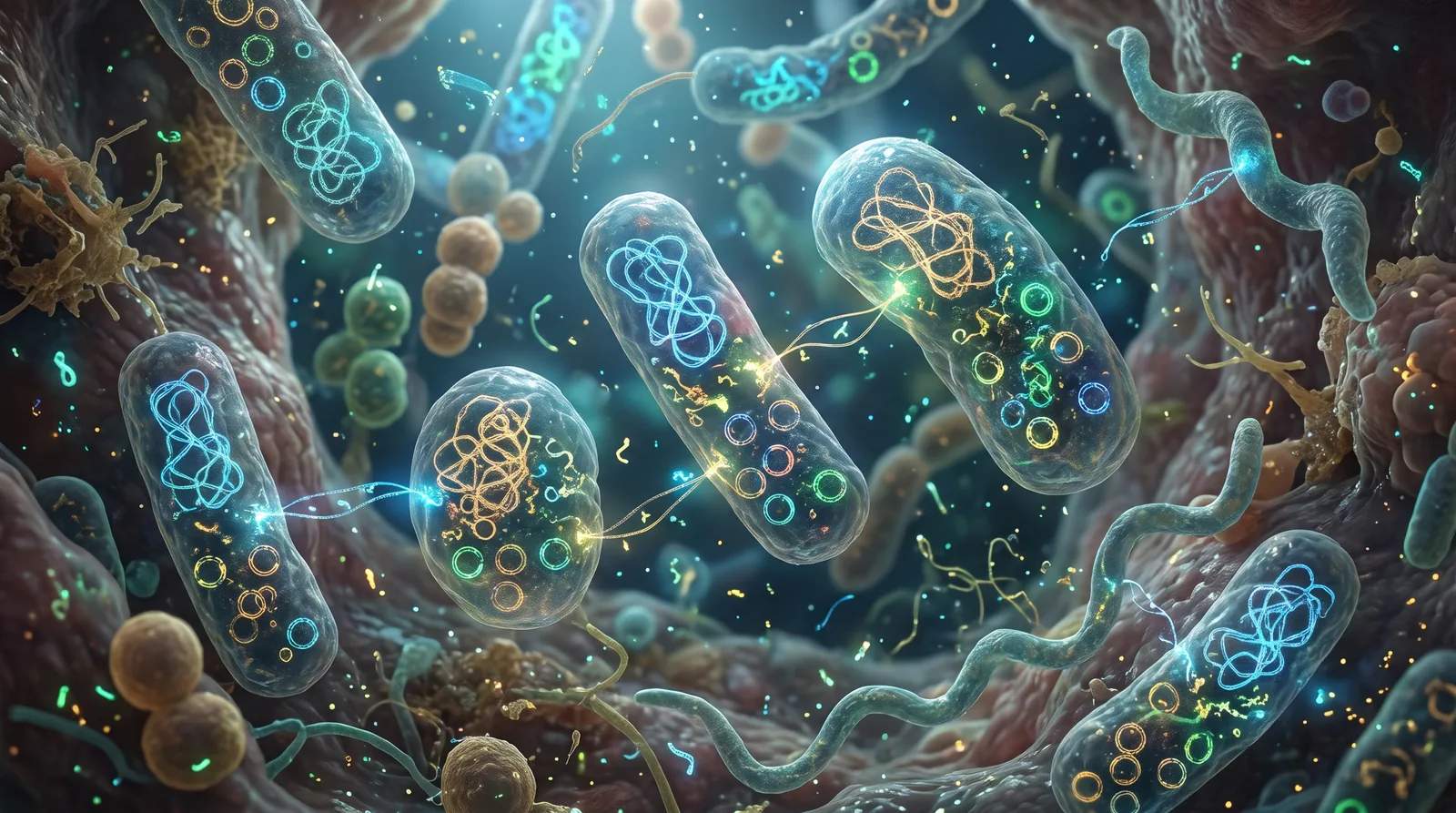
    How Urban Lifestyles Expand the Genetic Repertoire of Gut Bacteria

    Researchers analyzed 5,981 isolate genomes from 56 donors across 9 countries to examine how modern lifestyle factors alter gut microorganisms. This matters because understanding these genetic shifts reveals how industrialization directly reshapes the human microbiome.

    OIST2 min read

  • AI & Automation

    Why data quality matters more than network architecture in map AI

    Researchers evaluated 15 different neural network architectures using a newly compiled national dataset of 14,378 geographic samples. The findings show that refining dataset label precision increases system accuracy far more effectively than traditional hyperparameter tuning.

    Scientific Reports2 min read

  • Physics

    Slug-inspired hydrogel seals internal organ leaks through endoscopes

    Researchers developed a slug-inspired hydrogel that flows as a liquid through endoscopes at room temperature and gels within seconds at body temperature. Tested in rodents and pigs, the material successfully sealed gastrointestinal perforations without leaving permanent residues.

    Chinese Academy of Sciences2 min read

  • AI & Automation

    Integrating machine learning enzyme kinetics into metabolic models

    Researchers developed kinGEMs to integrate machine learning-predicted enzyme kinetic parameters into genome-scale metabolic models using stochastic tuning. This addresses traditional limitations where stoichiometric models produce solution spaces too broad for actionable predictions.

    PLOS Computational Biology2 min read

  • Environment

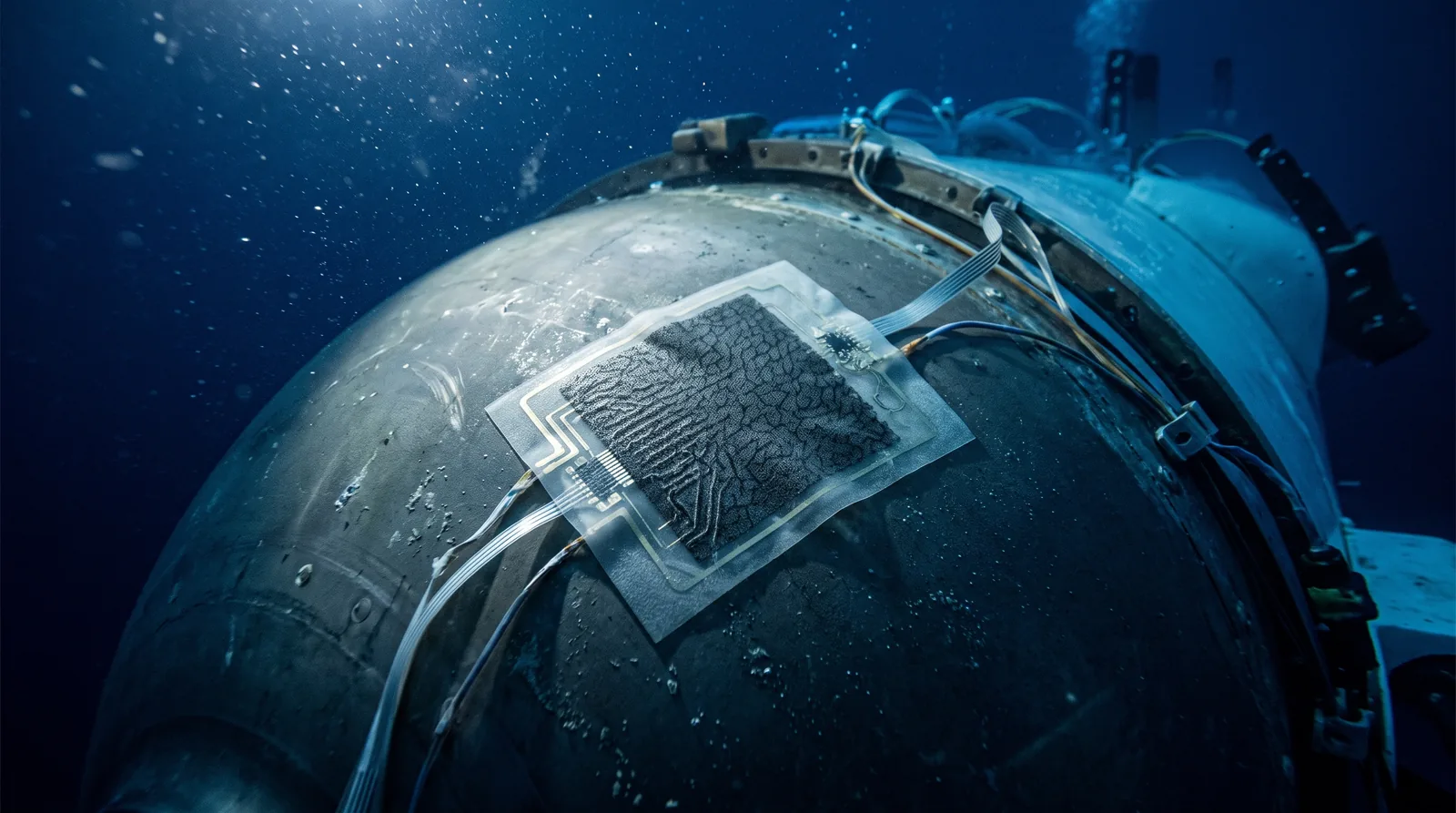
    Flexible deep-sea sensors reshape oceanographic monitoring

    Researchers developed a flexible temperature and depth monitoring system built from porous laser-induced graphene and polydimethylsiloxane that successfully operated down to 4,812 meters. This matters because vast ocean areas lack adequate sampling due to the mass and rigidity of traditional tools.

    Nature Communications1 min read

  • AI & Automation

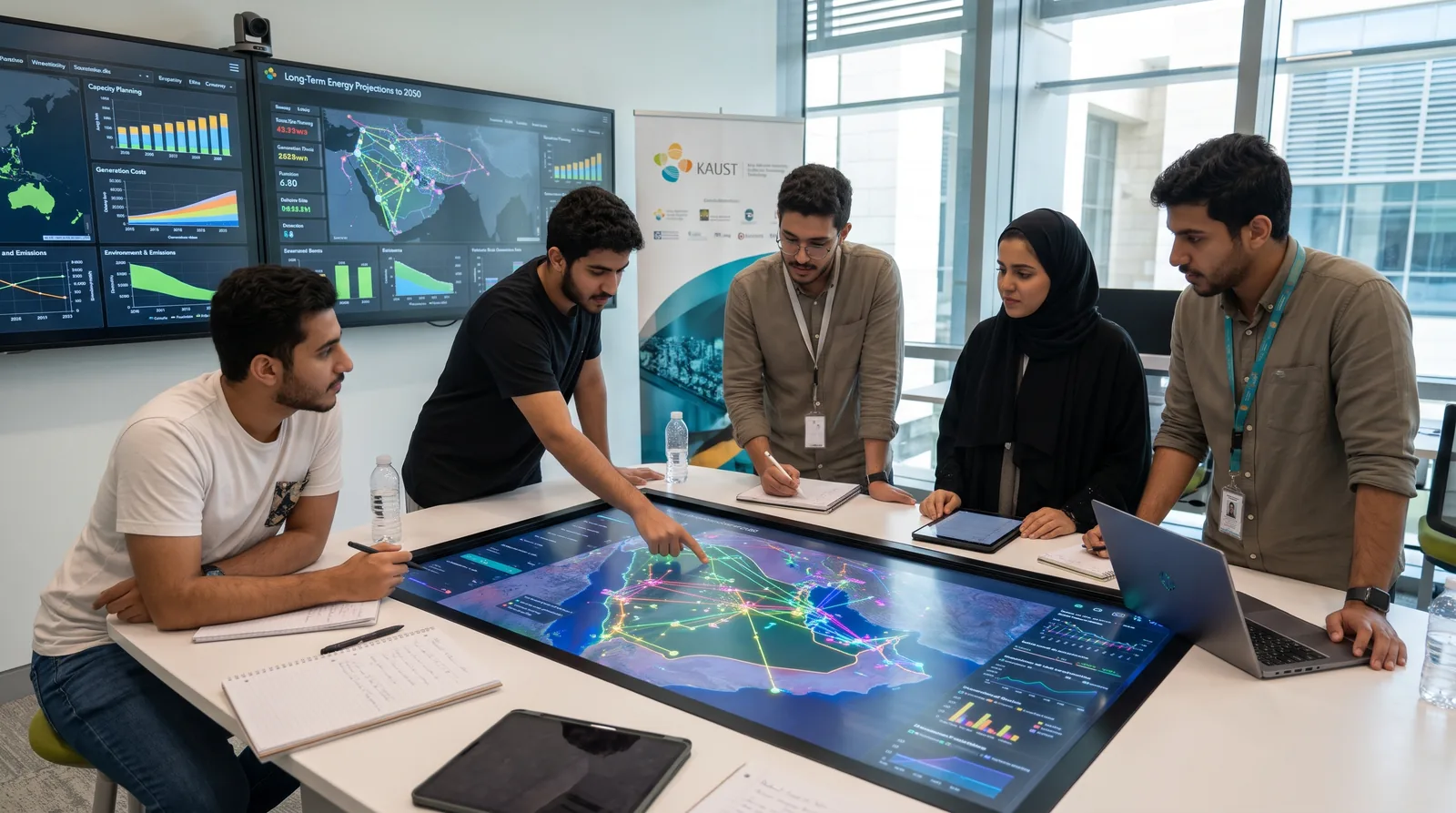
    Training local engineers for the energy demands of artificial intelligence

    KAUST Academy launched a specialized summer program utilizing global energy software to train students in long-term power grid planning. This educational effort supports regional technological expansion by aligning technical expertise with future AI and infrastructure demands.

    KAUST2 min read

  • AI & Automation

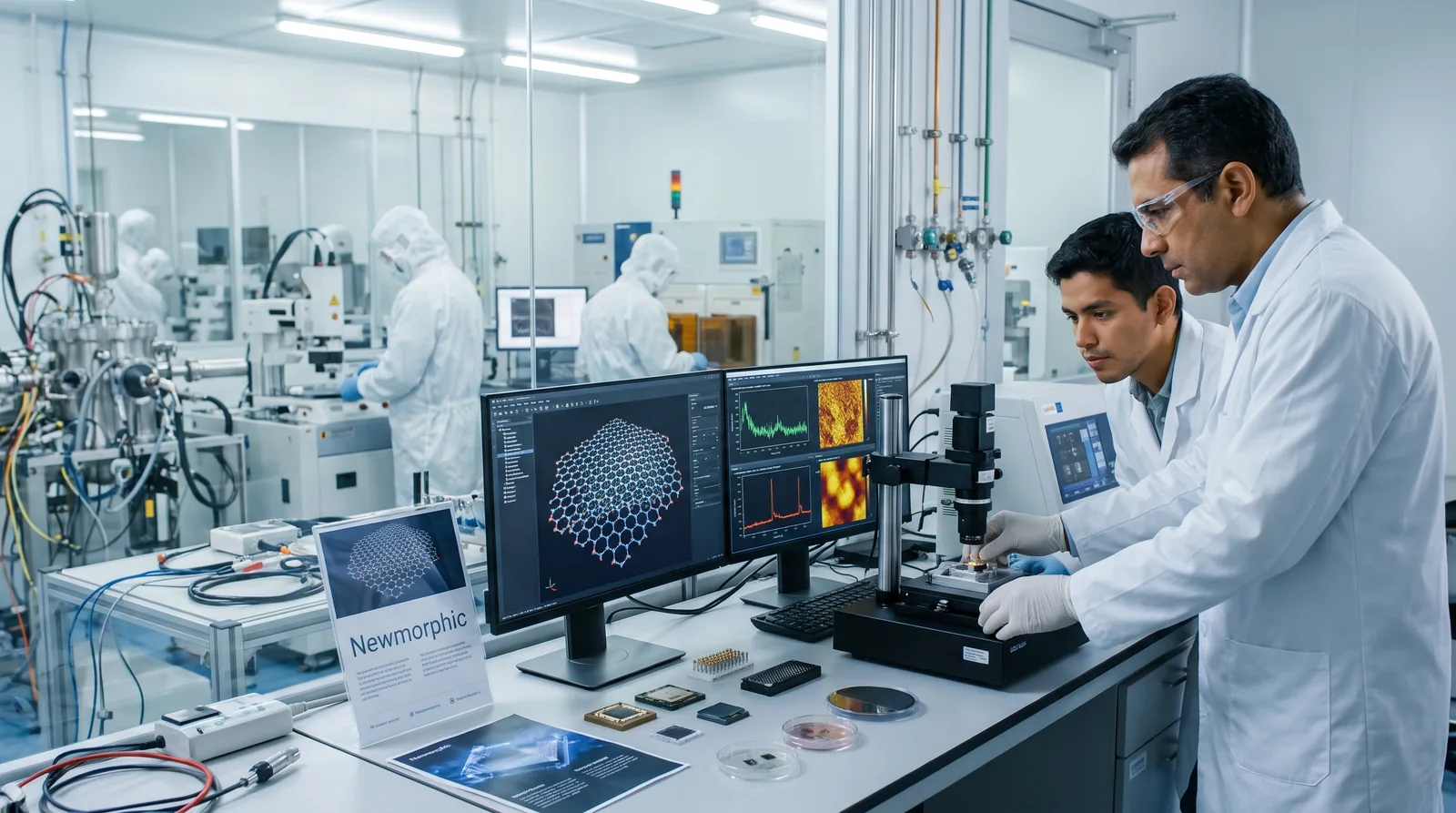
    Shrinking Electronics to the Atomic Scale for Future Devices

    A team at the National University of Singapore has built radio-frequency switches from hexagonal boron nitride and run them on commercial gallium nitride chips. It matters because wireless hardware needs far more of these switches than it used to, and the room for them is not growing.

    National University of Singapore2 min read

  • Computing

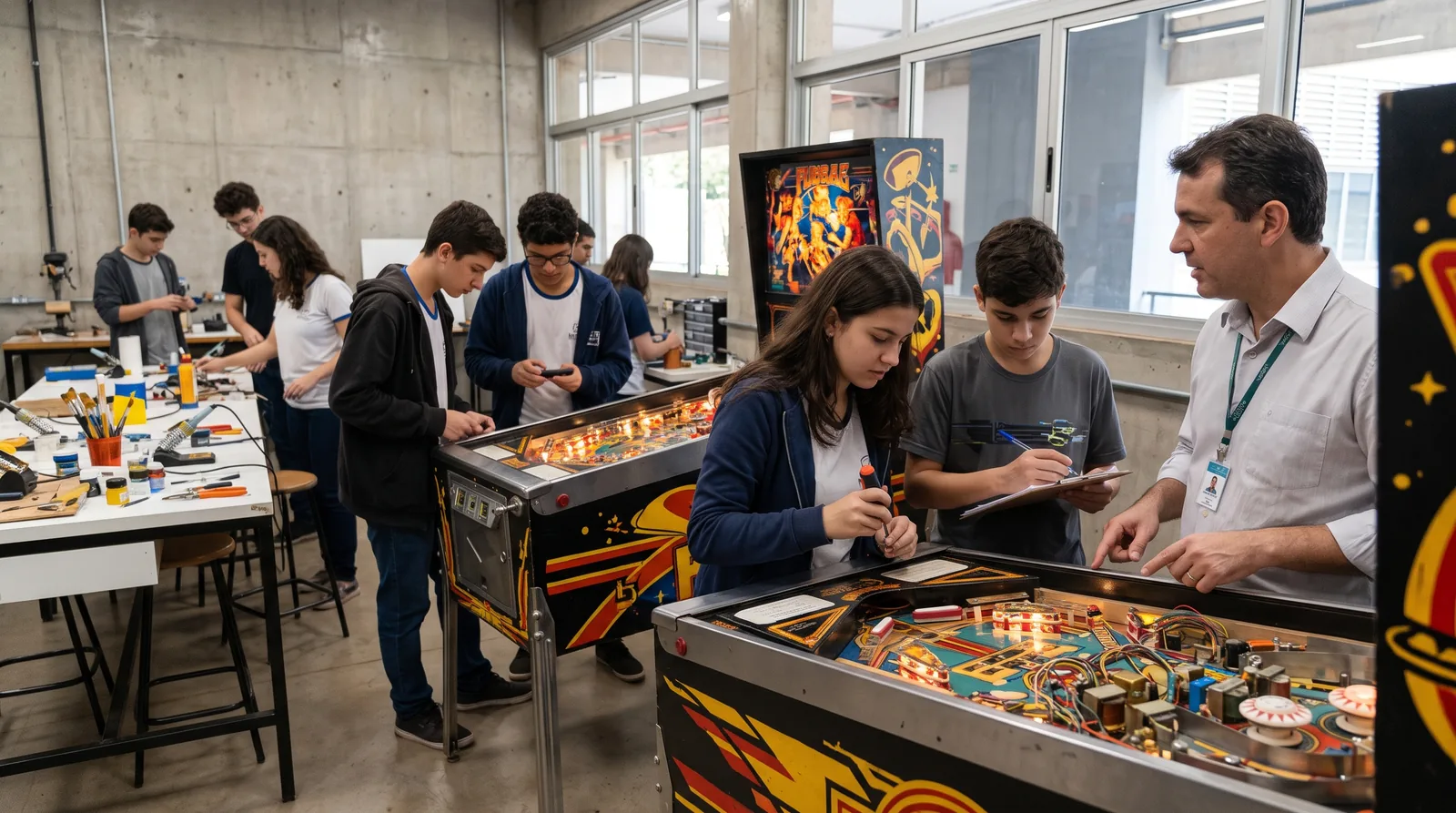
    Pinball Machines Teach Science to Students in Brazil

    A University of São Paulo project in Ribeirão Preto plans to bring students from about 25 public schools to take apart and study pinball machines. The idea matters because hands-on science is scarce in public schools, and the project will also try to measure whether the approach works.

    Jornal da USP2 min read

  • Environment

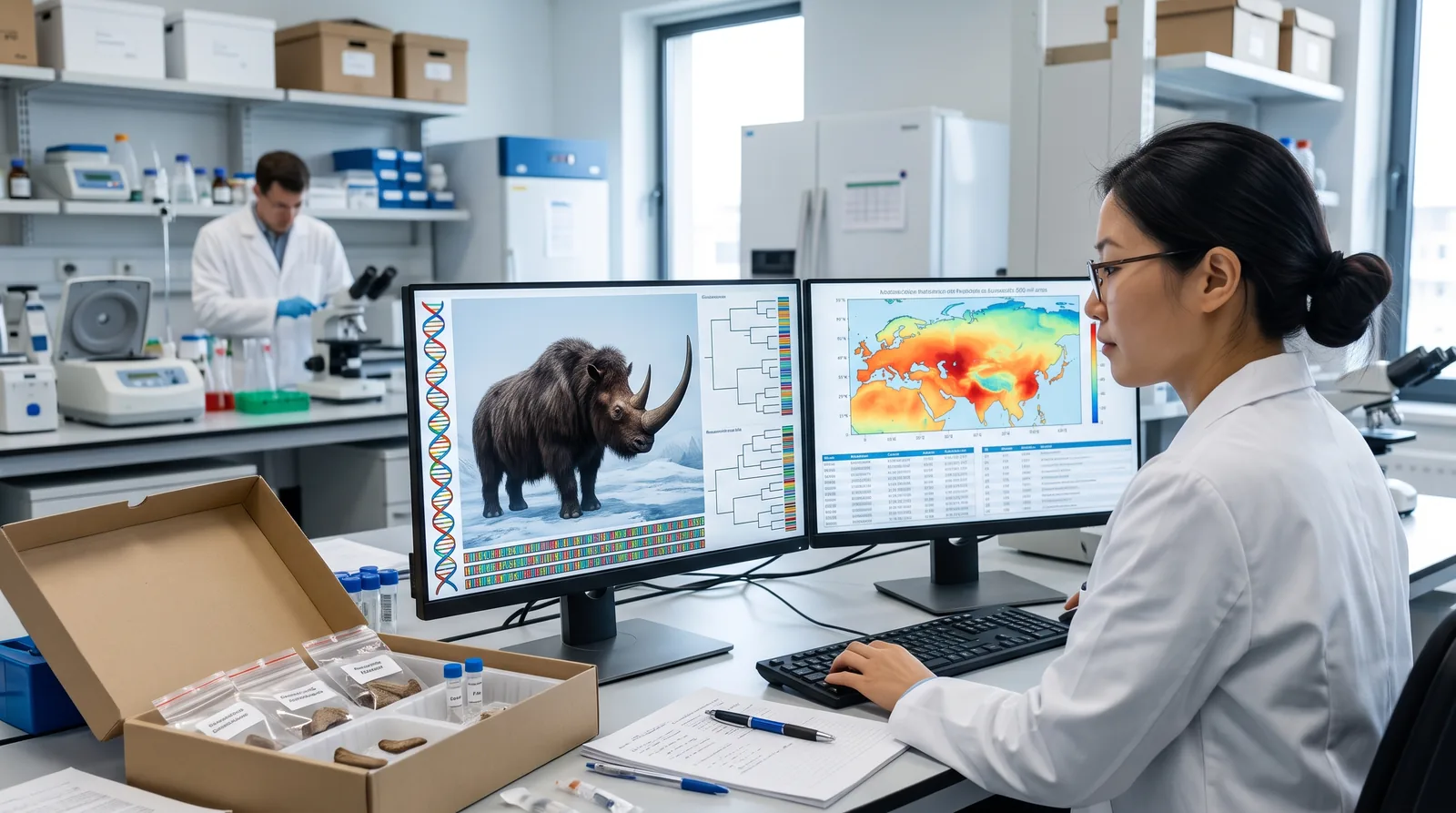
    Tracing the Evolutionary History and Habitats of Woolly Rhinoceroses

    A team led by Yu He at Peking University reconstructed 500,000 years of woolly rhinoceros history from 29 mitochondrial and 14 nuclear genomes. The genetic diversity of this cold-adapted animal turns out to have been built and held in temperate middle latitudes rather than in the far north.

    Peking University3 min read

  • Health

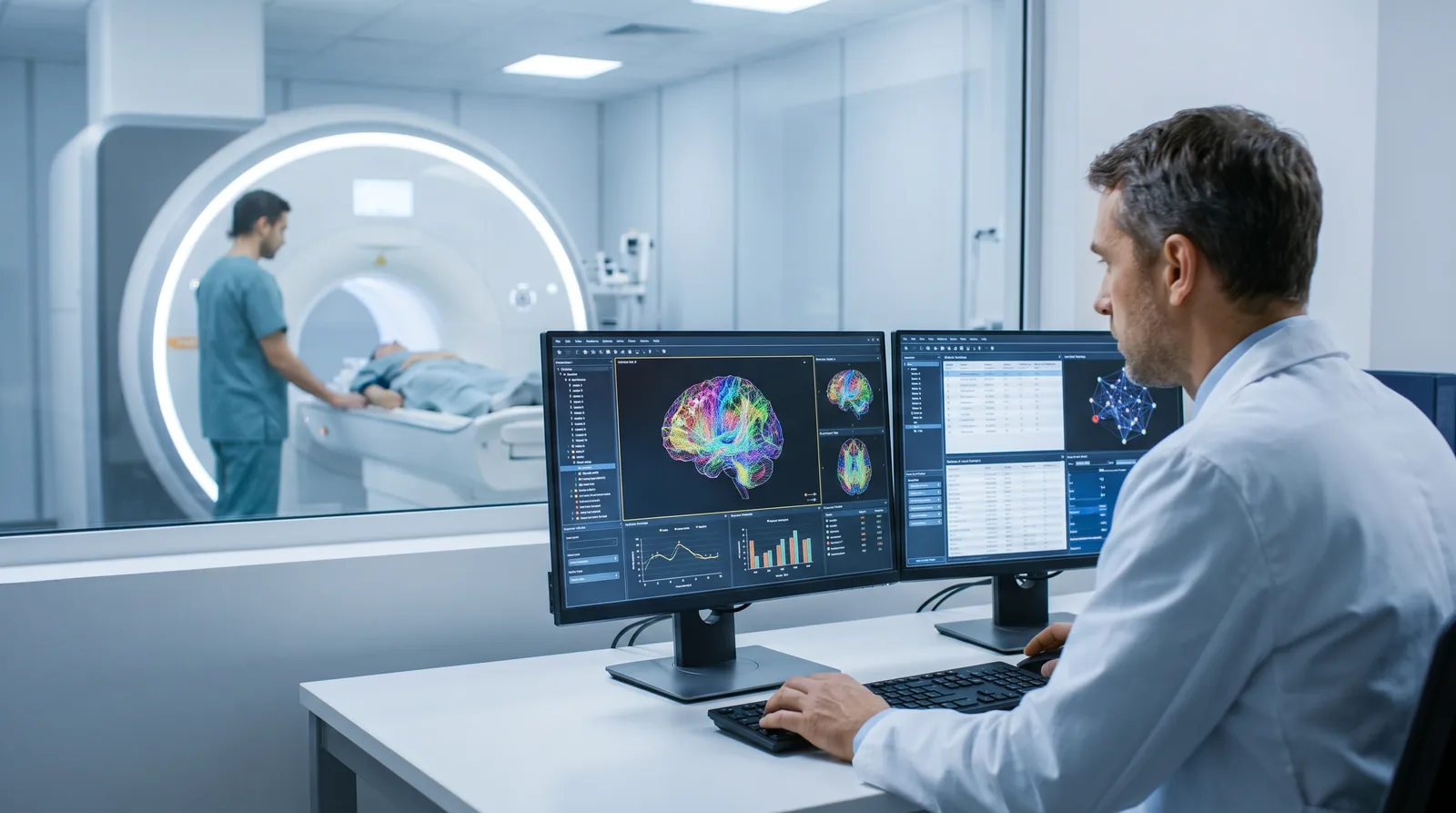
    Brain Networks and Recovery in Consciousness Disorders

    Researchers compared resting brain scans from 128 patients with disorders of consciousness against 40 healthy volunteers, and found that the cause of the injury maps onto distinct patterns of network connectivity. The same analysis shows that those patterns statistically account for why one group of patients recovers more often than the other.

    Chinese Academy of Sciences4 min read