Skip to content

Cutting-edge science explained with clarity and rigor

We synthesize global scientific breakthroughs into 3-minute reads, directly translated and faithful to primary sources.

Showing 73–96 of 195
  • Health

    Old Cemetery Teeth Reveal Climate Shocks May Have Fueled Past Disease

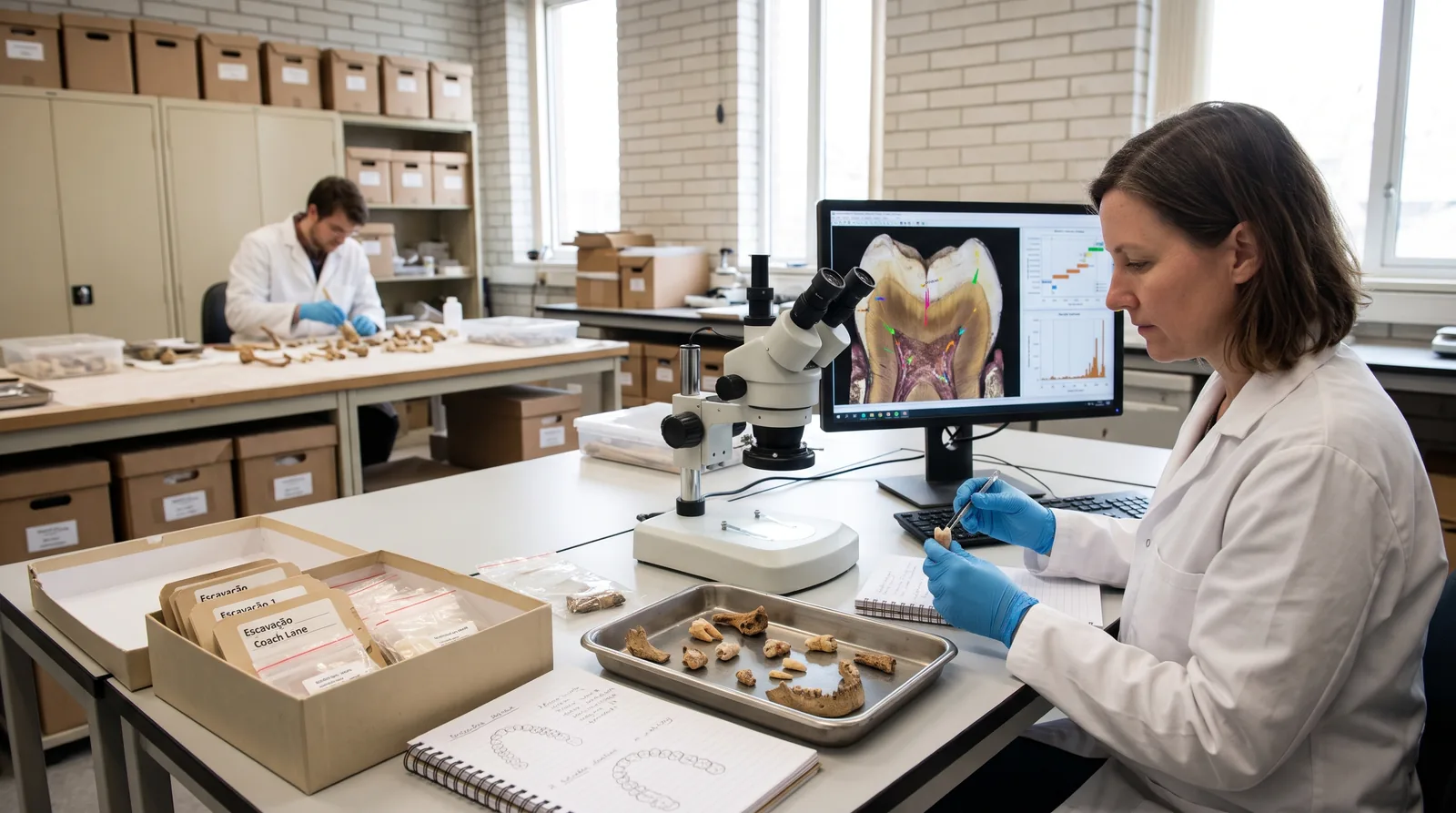
    Archaeologists examined 30 teeth from a disused Quaker cemetery in north-east England and compared them with the burial register kept by the community. Most of the people whose birth years could be estimated were born in the decade following a major volcanic eruption, which puts climate alongside housing and factory work as a suspect in childhood vitamin D deficiency.

    Frontiers Science News4 min read

  • Environment

    Tracking Prevented Climate Losses to Prove the Value of Adaptation

    Adaptation to climate change succeeds by making a loss not happen, and a loss that does not happen leaves no insurance claim and no repair bill behind it. A short comment piece proposes keeping accounts of avoided losses so that the benefit has a record, while deliberately refusing to treat those avoided losses as assets.

    Nature Communications3 min read

  • AI & Automation

    New Computer Method Improves Tiny Object Detection in Aerial Photos

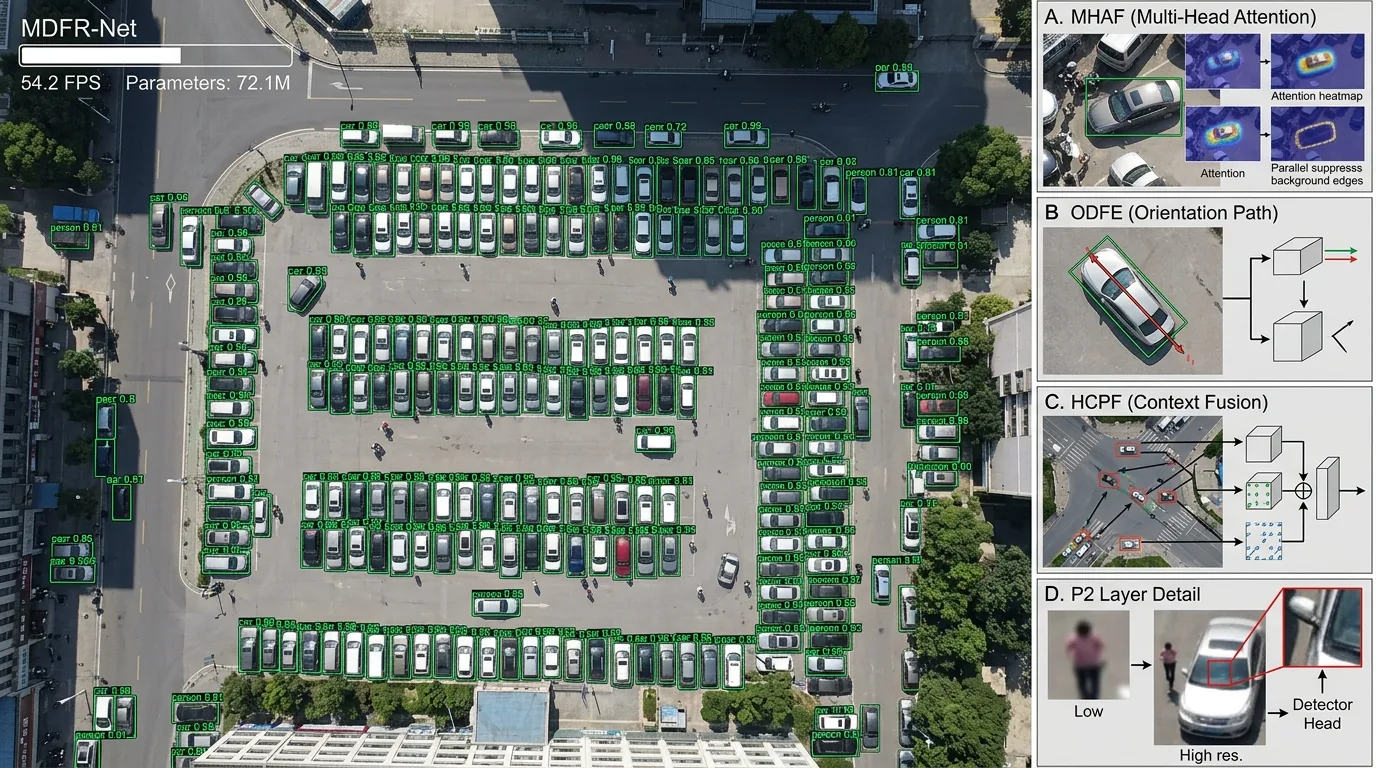
    Engineers at Hebei University of Science and Technology published a detector called MDFR-Net, built specifically for objects that occupy only a handful of pixels in drone and aerial images. The paper reports improvements on two public benchmarks, and its abstract describes those gains without stating their size.

    Scientific Reports3 min read

  • Engineering

    A New Way to Keep Flexible Robot Predictions on Track

    A flexible robot arm has to rehearse its next moves in a computer model, and data-driven models drift because each predicted step starts from the last one. A team at Peking University added a second model that knows the shape the arm settles into when left alone, and used it to pull the forecast back on course.

    Peking University4 min read

  • Environment

    Why Warming Waters Won't Automatically Invite Tropical Tuna into the Mediterranean

    A team modelled how five tuna species would fare in a warming Mediterranean and found that temperature is not the only thing keeping tropical species out. Salinity, changes in how the upper ocean mixes and other differences could continue to limit them even where the water becomes warm enough.

    Chinese Academy of Sciences3 min read

  • Space & Astronomy

    NASA Tests Landing System for Future Moon and Planet Trips

    A drone called Alta-X carried NASA's SPLICE guidance and navigation payload through simulated lunar descent and landing manoeuvres over Rogers Dry Lake on 27 August. The flight tested whether a system meant to pick its own landing site can run and communicate aboard a real aircraft, which is a different question from whether it can land a spacecraft.

    NASA4 min read

  • AI & Automation

    When Lonely Hearts Turn to AI: What Happens When We Use Chatbots for Connection?

    A caring chatbot reliably makes a lonely person feel less lonely right after talking to it, and the effect does not carry over to the next day. Three researchers who study empathy, consumer behaviour and ethics agree on that finding and disagree sharply about what it means.

    Harvard Gazette5 min read

  • Health

    Brazil Invests in RNA Vaccines and Therapies to Reduce Foreign Reliance

    Brazil is assembling a national network for messenger RNA vaccines and therapies, with a factory at Instituto Butantan, a clinical production platform at Fiocruz and a competence centre coordinated by CTVacinas. The federal government put 210 million reais into the three fronts, and almost every product they are meant to make is still in laboratory or early clinical stages.

    Revista Pesquisa FAPESP5 min read

  • AI & Automation

    Uncovering Predictable Rules in Incurable Brain Cancer Using AI

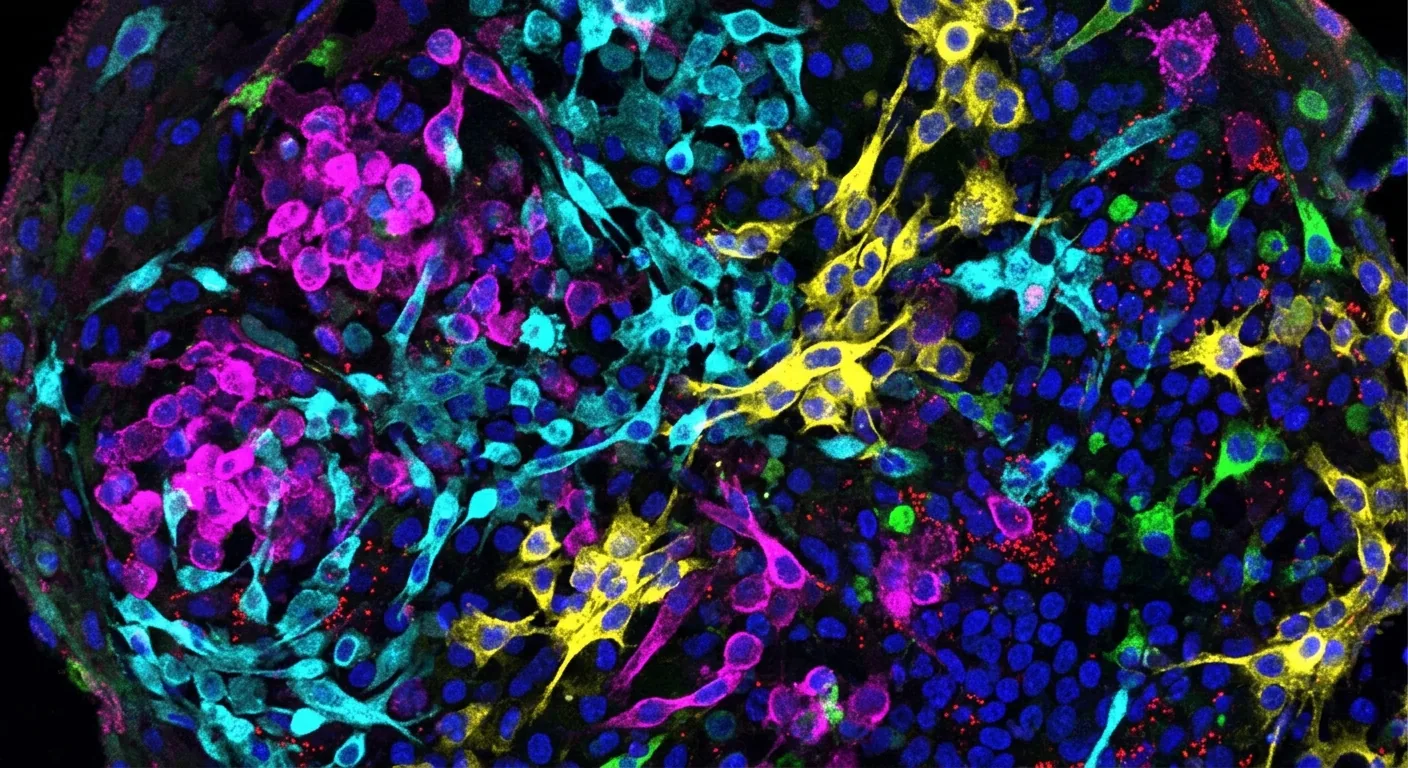
    Researchers at EMBL, DKFZ and the Wellcome Sanger Institute built a molecular atlas of glioblastoma from the tumours of 12 patients and found that the cells move between states along repeatable routes rather than drifting at random. Pushing one of the regulators behind those routes made tumours less aggressive in mice.

    EMBL3 min read

  • AI & Automation

    Artificial Intelligence Models Show Bias Against Certain Spoken Accents

    University of Washington researchers had four leading audio models score job interview answers, presentations and English tests read in five accents. The models ranked American and British speakers highest and Chinese and Nigerian lowest, even where the words were identical and the transcription was accurate.

    University of Washington4 min read

  • AI & Automation

    Can Artificial Intelligence Read Neural Network Weights Without Tools?

    A paper claimed that frontier models can look at the raw weights of a small neural network, printed as floating point numbers, and work out what the network was trained to do. Simon Willison ran the same prompts against a model on his own laptop and got the right answer three times out of four.

    Simon Willison4 min read

  • Health

    New Prostate Cancer Drug Shows Promise in Early Clinical Trial

    A Yale-led trial tested bavdegalutamide, the first drug of its class to be tried in people with prostate cancer, in patients whose disease had stopped responding to hormone therapy. The reported results are falling levels of a tumour marker, shrinking soft tissue lesions and less pain, measured without a comparison group.

    Yale News4 min read

  • Health

    Exploring CAR-T Cell Therapy for Autoimmune Diseases

    CAR-T therapy, which re-engineers a patient's own immune cells and has changed treatment for some blood cancers, is now being tested against lupus, multiple sclerosis and scleroderma. Yale clinicians describe early results as encouraging while stressing that for autoimmune disease the treatment exists only inside clinical trials.

    Yale News5 min read

  • Environment

    Computer Model Explores Future Climate Impacts on Romanian Farms and Forests

    Land use changes because of markets, policy, roads and population, and separating the climate's own contribution is difficult. This study froze every non-climatic driver and let only temperature and precipitation move, across three emissions scenarios, to see what climate alone would do to agricultural and forest land in Romania by 2050.

    Scientific Reports3 min read

  • Physics

    Looking Back at Cold Fusion and the Search for Exotic Atoms

    The cold fusion announced in 1989 collapsed within months, and the term had belonged to something else before that: fusion catalysed by muons, which really does happen at room temperature. Physicists working with these exotic atoms have stopped treating energy production as the point, and that shift is the interesting part of the story.

    Quanta Magazine4 min read

  • Health

    How a Single Genetic Region Controls Butterfly Wing Colors

    Scientists have discovered that the genomic region ivory:mir-193 acts as a crucial genetic hotspot responsible for melanic wing pattern differences across butterflies and moths. This matters because understanding how microRNAs dictate scale cell fate reveals the foundational genetic architecture behind complex warning coloration and mimicry in insects.

    Nature Communications2 min read

  • Environment

    How Climate and Population Shifts Drove Flooding During Cyclone Idai in Mozambique

    Cyclone Idai flooded a large part of central Mozambique in 2019, and this study asks how much of the exposed population is attributable to climate change and how much to the fact that more people now live in the flood's path. The answer is lopsided: 80 percent from population change, 9 percent from climate change.

    Scientific Reports3 min read

  • Health

    Ten-Year Changes in Breast Cancer Care Across Turkish Centers

    Two surveys ten years apart asked tertiary breast cancer centres in Turkiye what equipment they had and what procedures they performed, and the comparison shows a system that modernised on almost every axis measured. What it cannot show is whether patients did better, because recurrence and survival data were not available.

    Scientific Reports3 min read

  • Physics

    Scientists Observe and Control Forbidden Transitions in Single Trapped Molecules

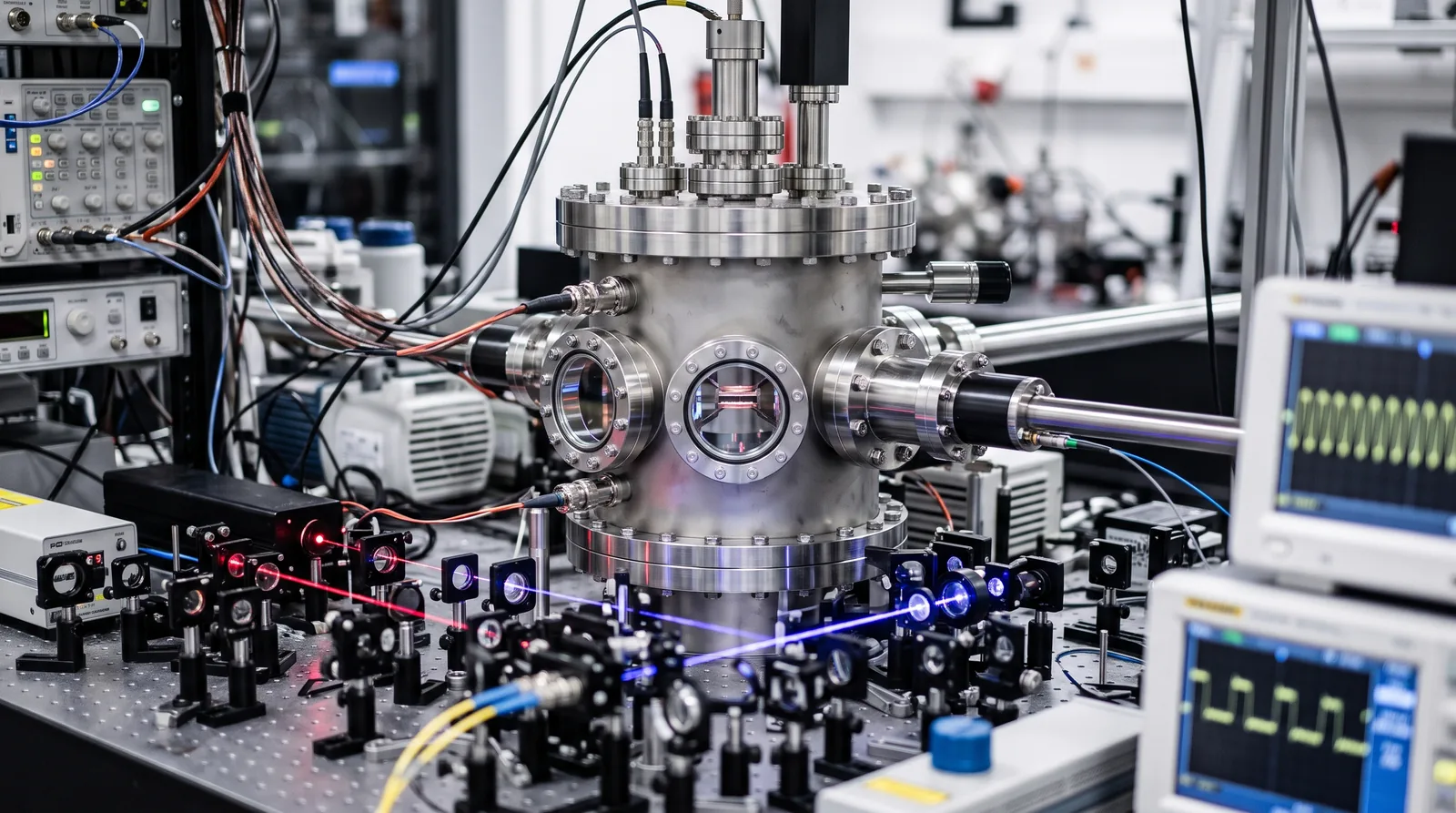
    Certain transitions between energy levels are called forbidden because the usual mechanism cannot drive them, and in atoms those are exactly the transitions used for the best clocks and quantum sensors. A team has now found, observed and coherently controlled such transitions in single trapped molecules, which had been a long-standing obstacle.

    Nature Communications4 min read

  • Environment

    New Solid Waste Binder Tests Show Promise for Stronger Mine Backfill and Lower Emissions

    Mines backfill their worked-out voids with their own tailings, cemented into place, and the cement is both the expensive part and the carbon-emitting part. This study replaces it entirely with a binder made of industrial by-products, reporting higher strength than cement in the best mix and more than 95 percent less carbon.

    Scientific Reports3 min read

  • AI & Automation

    Bringing AI Tools to Tuberculosis Screening Around the World

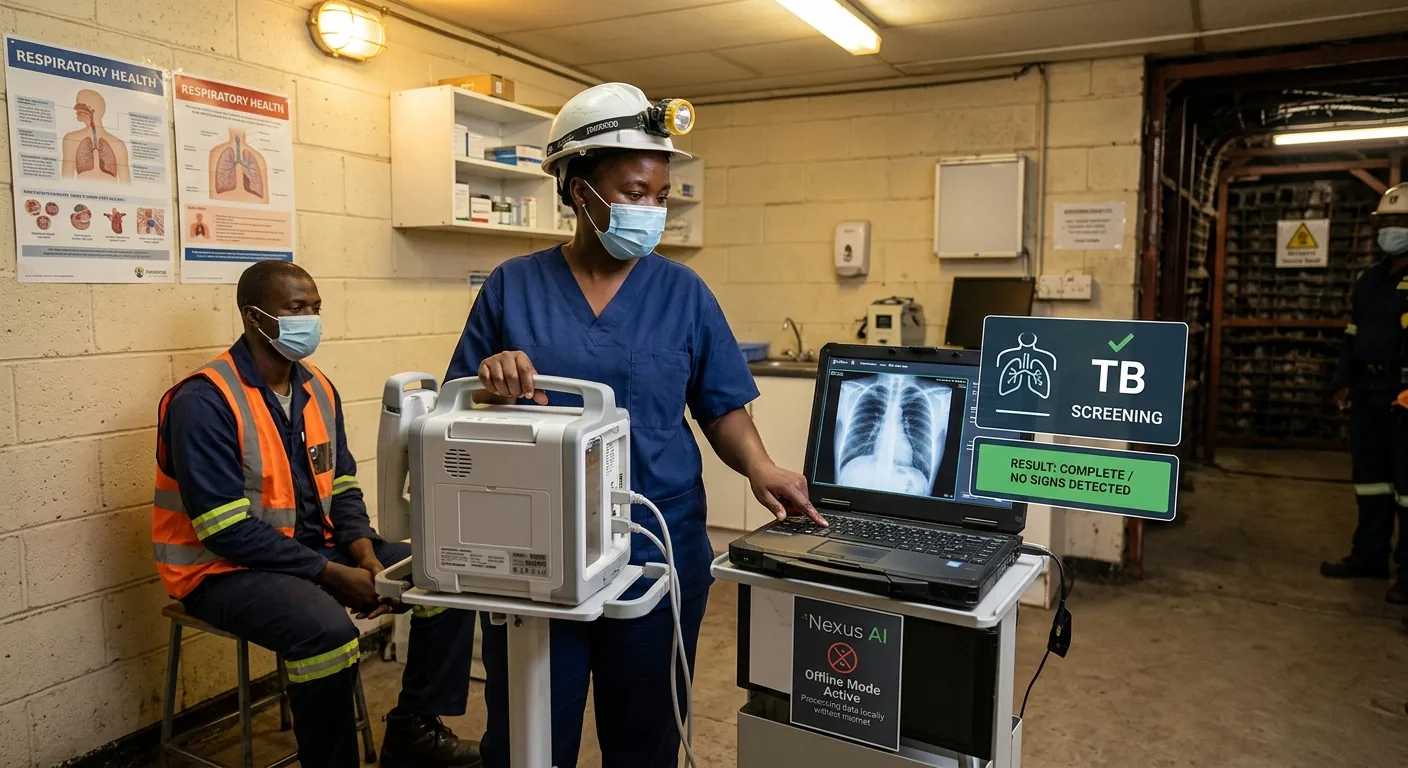
    Google Research and partners have deployed open foundation models and certified artificial intelligence tools to detect tuberculosis and screen patients in remote and under-resourced areas. This matters because geographic isolation and radiologist shortages create severe diagnostic bottlenecks for a disease causing over a million annual deaths.

    Google Research2 min read

  • AI & Automation

    New Computer Tool Predicts Electrical Charges on Proteins from Their Sequence

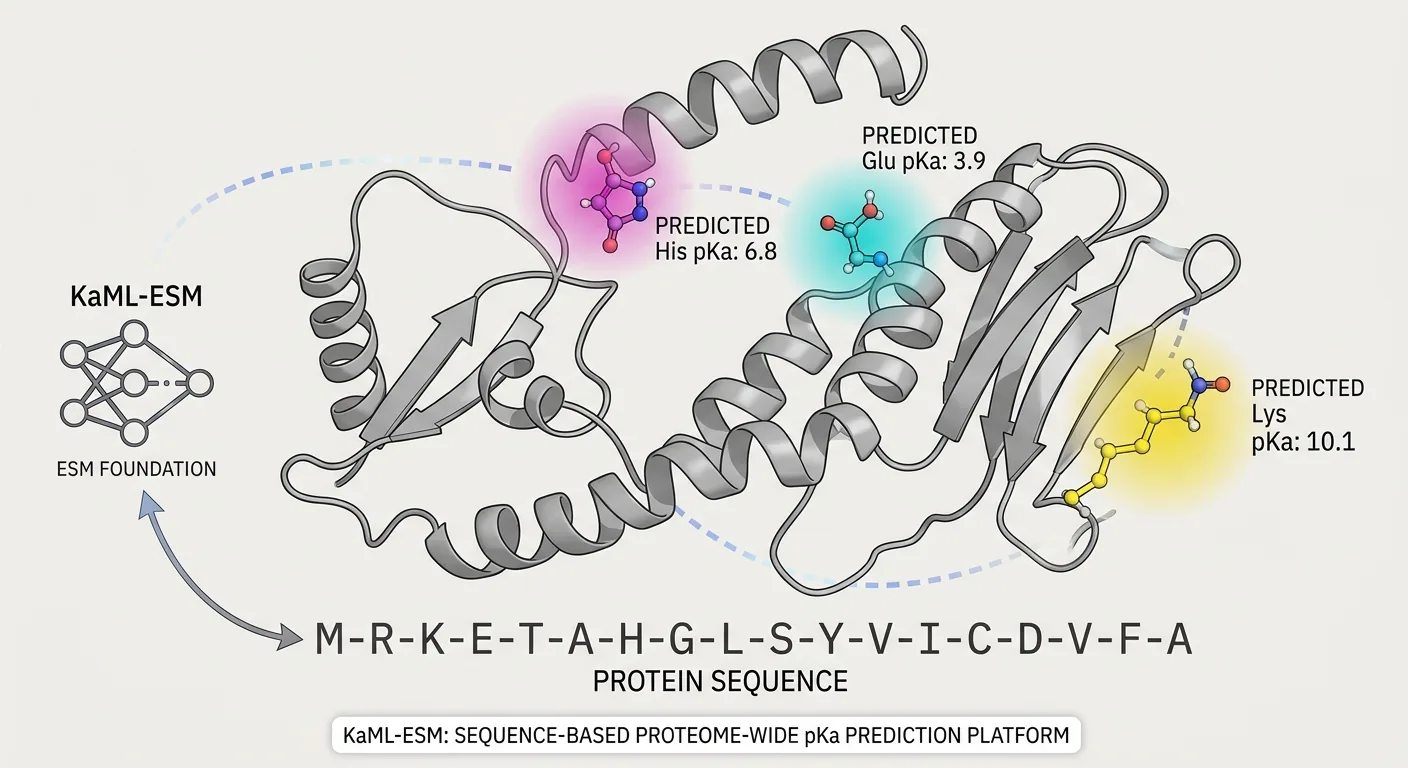
    Whether a particular amino acid in a protein carries a charge depends on its surroundings, and that charge often decides what the protein does. A new model predicts those ionization constants from the sequence alone, reaching errors of about 0.5 units on natural proteins, and its failures are as informative as its successes.

    Nature Communications4 min read

  • Physics

    Quantum Algorithm Built to Estimate Similarity and Measure Magnetic Fields

    Researchers built a quantum algorithm that estimates how similar two states are, using a representation that mixes discrete and continuous information and a modified version of a standard comparison circuit. They then applied it to numerically generated interference images from an atom-based setup, where it identified the strength of the interactions between atoms.

    Scientific Reports4 min read