Skip to content

Cutting-edge science explained with clarity and rigor

We synthesize global scientific breakthroughs into 3-minute reads, directly translated and faithful to primary sources.

Showing 97–120 of 195
  • Physics

    Spin-Adapted Neural Network Wavefunctions in Real Space

    Neural networks have become competitive at representing the wavefunction of a many-electron system, and most real-space methods handle spin poorly. This paper imposes exact total spin symmetry on such wavefunctions using group representation theory, then tests the result on the clusters that have defeated many-body methods for decades.

    Nature Communications3 min read
  • AI & Automation

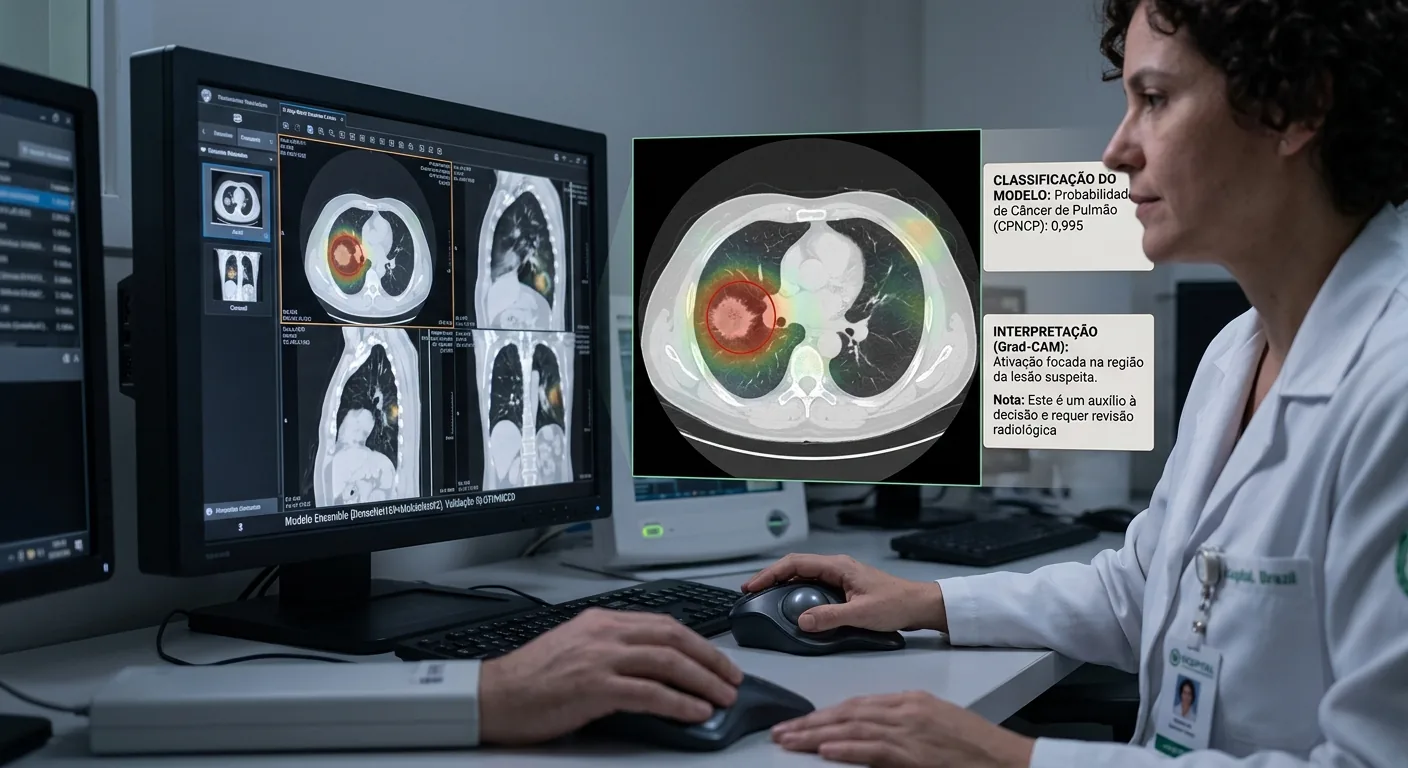
    New Computer Method Aims to Help Classify Lung Cancer Scans More Clearly

    Deep learning for medical images usually demands large annotated datasets and heavy computation, and the resulting models are hard to interrogate. This paper combines two modest pretrained networks, fuses their class probabilities with an ensemble, and adds a visual explanation of which image regions drove each prediction.

    Scientific Reports3 min read

  • Environment

    New Computer Model Predicts United States Carbon Dioxide Emissions

    A study predicts monthly carbon dioxide emissions in the United States from 1986 to 2025 using a neural network tuned by five different nature-inspired optimisation algorithms plus a new variant. The result worth noticing is that three different models win three different comparisons, which is a useful thing to see stated plainly.

    Scientific Reports3 min read

  • AI & Automation

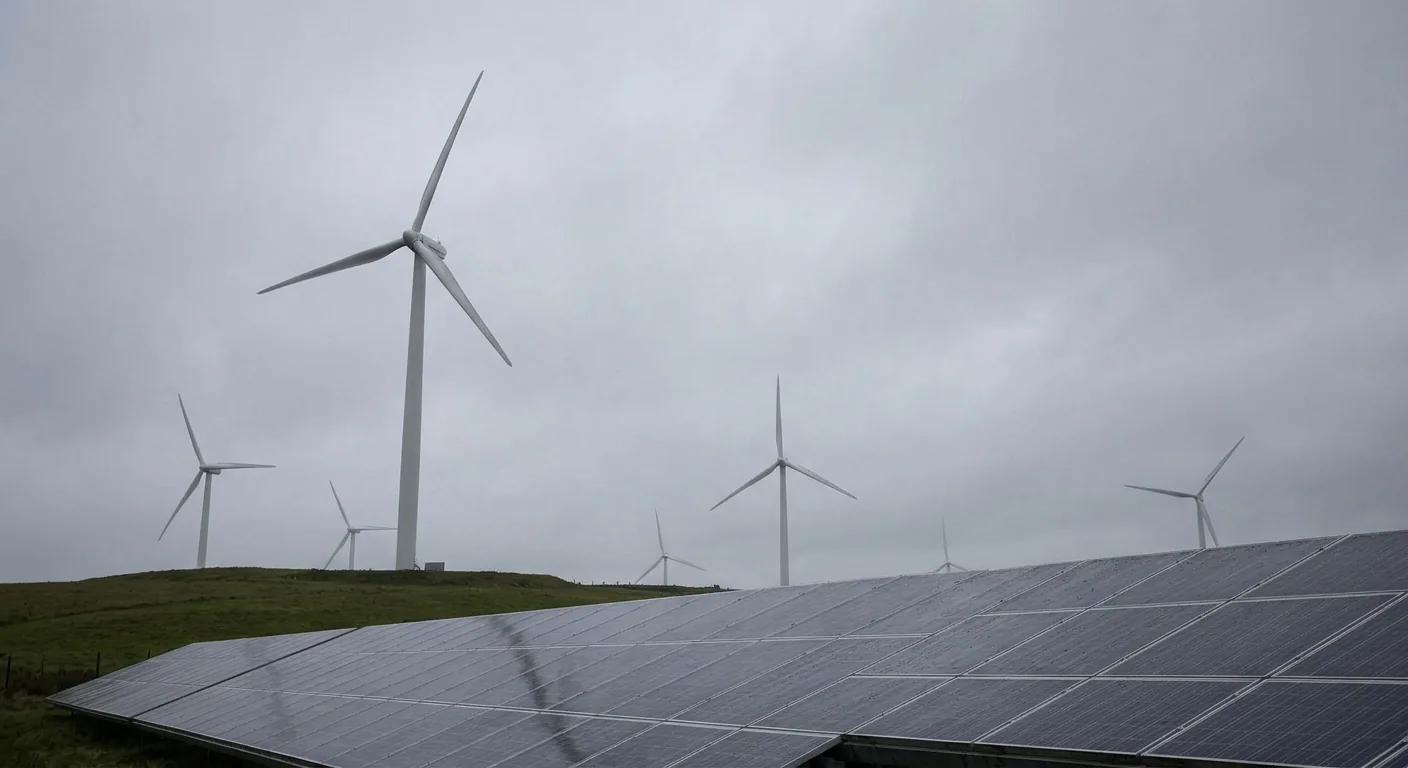
    How Artificial Intelligence and Climate Policy Shifts Shape Clean Energy

    An econometric study tested whether shocks to artificial intelligence development and to climate policy uncertainty push renewable energy in a symmetric way, and reports that they do not. Negative shocks hurt more and for longer than positive shocks help, which is a plausible finding presented without a single number to size it.

    Scientific Reports4 min read

  • Health

    Suspicion of Pneumonic Plague in Russia Prompts Health Concerns

    A worker at a plague research institute in the Siberian city of Irkutsk died, officially of pneumonia, and the circumstances raised suspicion of pneumonic plague, which Russian authorities deny. An epidemiologist at the University of São Paulo classifies the episode as low risk and names the real problem, which is the absence of clear information.

    Jornal da USP4 min read

  • Health

    Why People Question Pap Smears and Why Doctors Say They Matter

    The number of women who have never been screened for cervical cancer has been rising, and social media debate frames the test as discomfort without enough return. A gynaecologic oncologist at Yale explains both sides of the exchange, including the part that makes patients angriest: the test is designed to produce false alarms.

    Yale News4 min read

  • Environment

    New Reactor Design Improves Electrochemical Conversion of Captured Carbon

    Conventional carbon capture and use requires releasing the captured carbon dioxide with heat, compressing it and transporting it, and all three steps cost energy. This reactor converts the captured carbon directly from the liquid that trapped it, reporting 90 percent Faradaic efficiency to carbon monoxide at a substantial current density.

    Nature Communications4 min read

  • AI & Automation

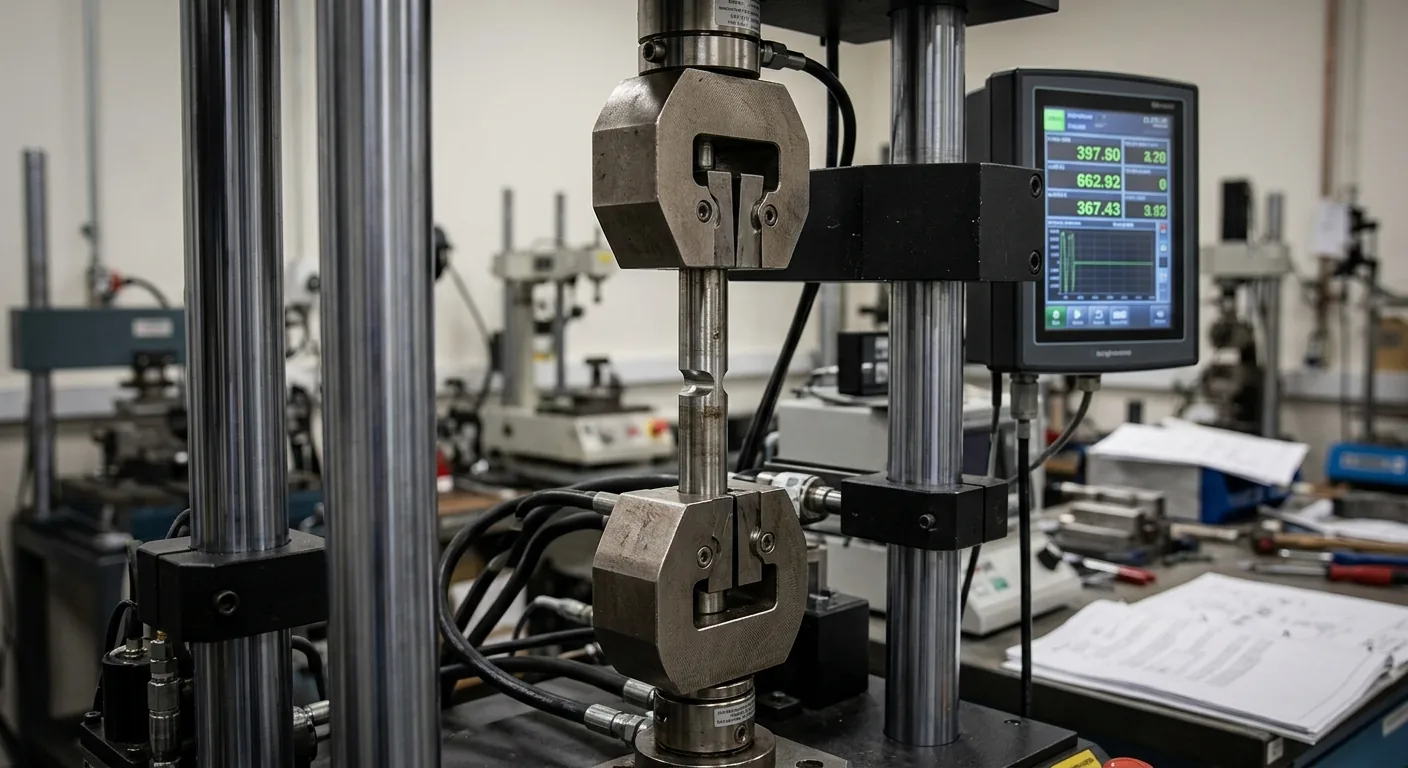
    New Computer Model Predicts Material Wear and Tear Using Built-In Rules

    Predicting how many load cycles a metal part survives is a problem with a century of engineering behind it and a shortage of data for any specific case. This study builds the known relationship into the model as a separate module, lets a data-driven module handle what the law does not cover, and reports better extrapolation than standard machine learning.

    Scientific Reports3 min read

  • Computing

    Should Parents Be Wary of Silicon Valley’s Influence in Schools?

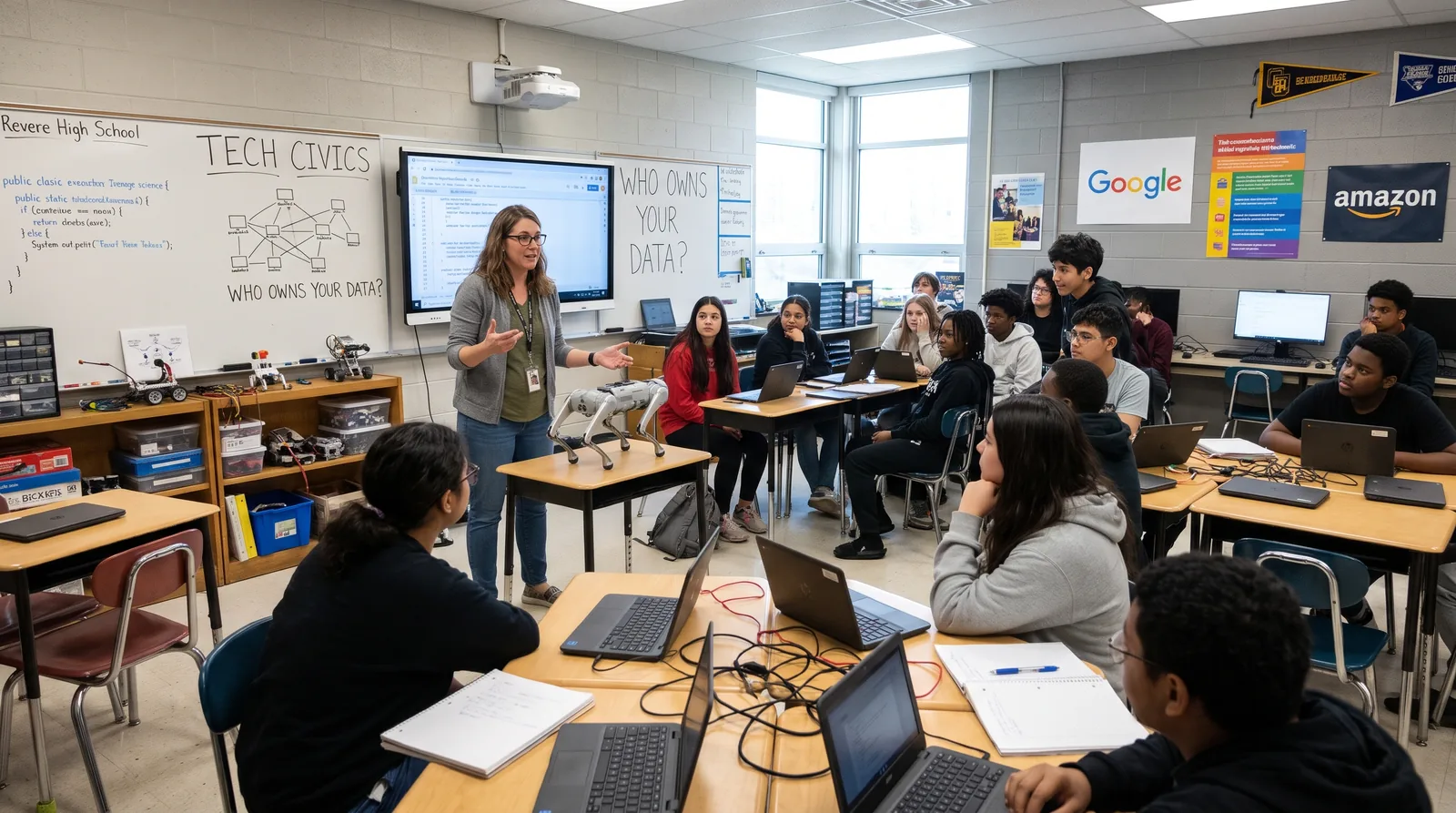
    Natasha Singer has covered technology in American schools since 2013 and argues in a new book that the companies providing the hardware also shape the curriculum, train the teachers and sit on the committees that set standards. Her comparison is with the pharmaceutical industry, where that kind of influence is studied and disclosed.

    Harvard Gazette4 min read

  • AI & Automation

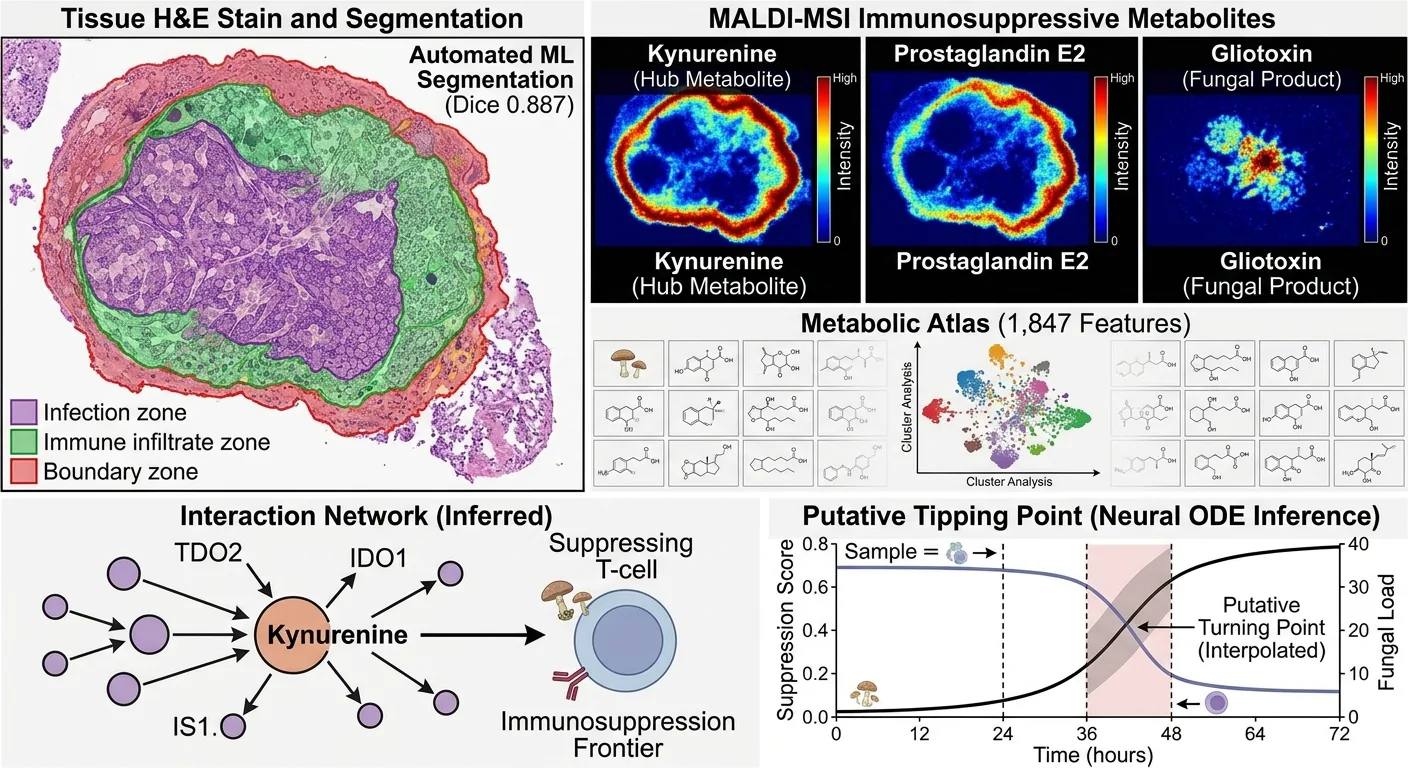
    Mapping How Fungal Infections Hide Using Computers and Chemistry

    Invasive fungal infections kill a large share of the immunocompromised patients who get them, and the question of how the fungus holds off the immune response has mostly been studied without reference to where things happen in the tissue. This study maps the metabolites across infected mouse lung and reports a boundary zone, not previously resolved in this model, that is loaded with immunosuppressive compounds.

    Scientific Reports4 min read

  • Computing

    New Three-Photon Microscope Peeks Deep Inside the Living Brain

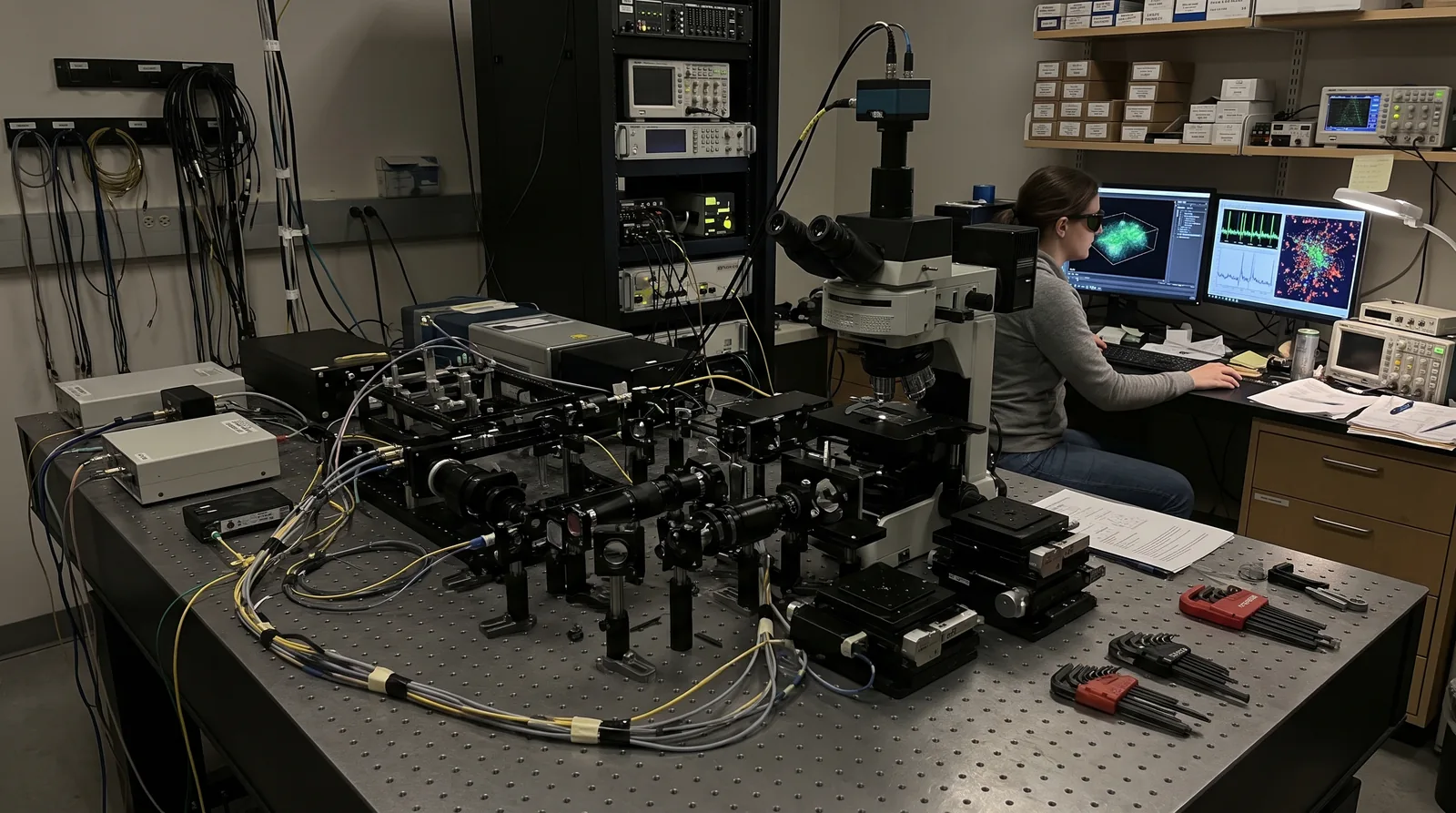
    Researchers built a three-photon microscope with a field of view above 3 square millimetres and used it to record activity from more than 1500 cells in deep regions of a living mouse brain. The instrument was assembled entirely from commercially available components, which matters as much as the depth it reaches.

    Nature Communications3 min read
  • AI & Automation

    New Computer Method Predicts Drilling Fluid Loss Using Smallsample Data

    When drilling fluid escapes into the rock instead of circulating back up, the operation stops costing money and starts burning it. This study builds a prediction of how severe that loss will be from 258 operational records of a single oil field, and the interesting part is how carefully it handles having so few.

    Scientific Reports3 min read

  • AI & Automation

    New Harvard Research Explores the Risks of Catastrophic AI Events

    A study from Harvard Kennedy School's Belfer Center uses pre-mortem simulations to analyze catastrophic risks from frontier AI systems. The findings show that open models and poorly guarded closed models present major threat vectors because they are difficult to secure against malicious modifications.

    Harvard Gazette2 min read

  • Health

    Researchers Study Genetic Changes in Returning Brain Cancers

    Researchers compared DNA from gliomas at diagnosis with DNA from the same patients' tumours after they returned, using paired samples from around 180 people in 10 countries. Recurrent tumours carried more mutations, and the two glioma types studied had accumulated different kinds of damage.

    Yale News3 min read

  • Computing

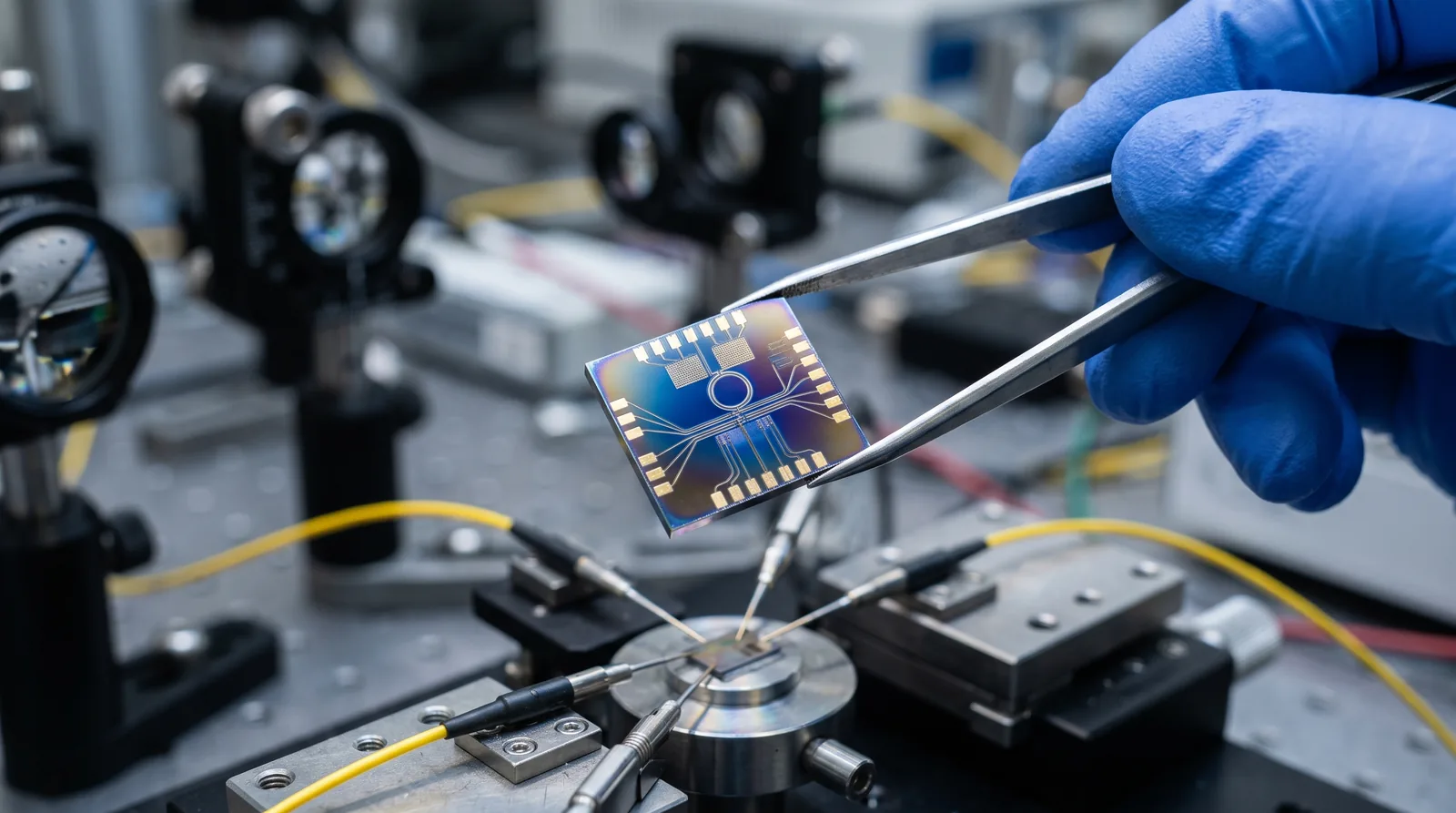
    New Microchip Device Measures Light for Better Mobile Clocks

    Researchers at NIST built a miniature frequency comb, the component that lets an optical clock measure light with extreme precision, and made it work without being tethered to laboratory equipment. The reason to care is navigation: a clock accurate enough and small enough to move could guide vehicles when satellite signals are missing or jammed.

    NIST3 min read

  • AI & Automation

    New Deep Learning Method Aims to Detect and Map Brain Tumors Together

    Automated reading of brain scans usually separates two jobs: deciding whether a tumour is present and drawing its outline. This paper puts both in one framework, running the decision first and the outlining only if the answer is yes, and reports 99.84 percent classification accuracy on a public dataset.

    Scientific Reports3 min read

  • Life Sciences

    How Plant Hormones Help Crops Use Nitrogen When Sunlight Drops

    Brassinosteroids are plant hormones already sprayed on crops to raise yields and improve the use of nitrogen, with the mechanism only partly known. A group at Shandong University traced one route: the hormone blocks a kinase that stabilises the plant's energy sensor, and the effect is strongest when photosynthesis is suppressed.

    Nature Communications4 min read

  • Space & Astronomy

    Computer Models Test New Designs for Space Capsule Air Cleaners

    A spacecraft cabin recirculates the same air, so fine particles accumulate with nowhere to go, and an electrostatic precipitator removes them by charging them and pulling them onto a plate. This study simulated four internal geometries and found two that collect more than 92 percent of the hardest particle sizes, about 40 points above the conventional design.

    Scientific Reports3 min read

  • Space & Astronomy

    NASA's Hubble Space Telescope Captures Spiral Galaxy NGC 1827

    The Hubble Space Telescope released an image of NGC 1827, a spiral galaxy seen edge-on about 37 million light-years away. The picture is one frame of a survey of 260 satellite galaxies whose purpose is to test cosmological predictions at the scale where they are known to struggle.

    NASA3 min read

  • AI & Automation

    Why Artificial Intelligence Benchmarks Are Broken

    For decades, artificial intelligence has relied on standardized tests to measure progress, but researchers argue these benchmarks can be gamed without genuine intelligence. This system has driven rapid advancements while bypassing fundamental scientific understanding.

    Quanta Magazine2 min read

  • Health

    Why Changing Your Food Habits Is Hard

    Researchers asked around 280 people to predict whether a computer would award positive or negative points to snacks they already loved or hated, and then repeatedly flipped the rule. Everyone found it hard to go against their own feelings, and the people who started with the rule that agreed with those feelings found the switch harder than the others.

    Yale News4 min read

  • Life Sciences

    A New Bacterial Strain Enables Rapid Gene Testing in Diverse Crop Species

    Plant scientists test ideas quickly by using bacteria to push a gene into a leaf and watching what happens, a trick that has mostly worked in one plant family. A strain called AS109 extends it to faba bean, lettuce, alfalfa, common bean and others, and fails in soybean and mung bean.

    PLOS Biology3 min read

  • Environment

    Exploring the Future of Enhanced Geothermal Energy in Europe

    Enhanced geothermal systems can deliver constant low-emission heat and power, and their cost is dominated by drilling. This modelling study asks where they fit in a carbon-neutral European energy system, and finds a real market at today's prices that looks nothing like the one usually discussed.

    Nature Communications3 min read